Summer-plumaged divers are among the smartest visitors to our waters and are readily identifiable. Unfortunately, the same cannot be said for the understated non-breeding plumages these birds adopt during the winter months. The dapper summer throat patches are exchanged for a rather less distinctive appearance. That said, swimming birds can usually be identified confidently with careful study of bill structure, colour and head, neck and flank details.
Over recent months, passage migrants and returning winter species of various shapes and sizes have been arriving back for the season. As well as worrying about the prospect of separating the divers, a supporting cast of cormorants, auks, grebes and ducks can add to the confusion.
Divers have a very distinctive ‘humpbacked’ flight profile, with long, narrow wings, large protruding feet that trail and powerful, direct flight action. Birds are typically observed singly but sometimes in loosely scattered, small parties and often fly well above the horizon. All have plain wings, which instantly separates them from grebes. Separating diver species in flight can be difficult, and distant or doubtful individuals should be identified with great caution. Grebes can be ruled out quickly as the weaker fliers typically travel low over the water, with trailing feet, with fast wing beats.

Great Northern Diver in flight silhouette © Ian Ballam
Divers usually sit low in the water (like cormorants, unlike ducks), but float higher when resting or preening, appearing long-bodied, long-necked and ‘tailless’. A very easy behavioural distinction from Cormorant and Shag is that divers do not leap out of the water to dive underwater. Instead, they gently bow their head forward and submerge with a smooth elegance, often remaining submerged for over a minute, moving surprisingly long distances underwater. Diving may follow a period of underwater surveillance (or ‘snorkelling’) with the bill and head partly submerged in the water.

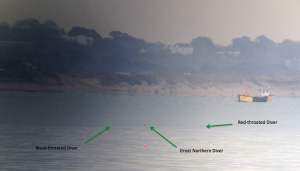
Record shot of all three diver species at Studland, December 15 2014.
Of the three species that regularly occur in the UK, two are scarce breeders in Scotland (Red-throated & Black-throated), becoming widespread during the winter and the other (Great Northern) a regular winter visitor. Red-throated Diver are best searched for out in Poole Bay and Studland Bay where numbers are generally between 1-4 birds during the winter. Higher counts can occur during periods of bad weather as they move around to find more sheltered areas. In the winter, best places to look are out in Poole Bay, Shell Bay and Studland Bay with occasional inner harbour records at places like Brands Bay and even Holes Bay and Lytchett Bay. Passage birds move through Poole Bay in an easterly direction in the spring and westerly in Autumn and on days of strong passage up to 20 birds can be logged. George Green in Birds of Dorset does mention mid winter movements and highly mobile winter birds. The record maximum is 34 in Poole Bay on Christmas Day 1988, with the previous record being twelve counted flying in to the harbour, again on Christmas day 1984.

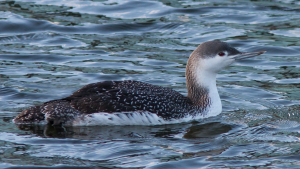
Red-throated Diver in winter plumage

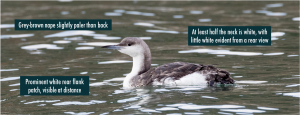
Red-throated Diver Identification. Photo © Ian Ballam
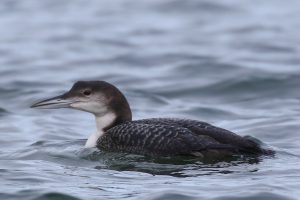
Great Northern Diver are most common of the three regular diver species found inside and outside of the harbour. Outside they can be seen out in Poole Bay, whilst inside the harbour they prefer the deep channels around Brownsea, Brands Bay and the harbour mouth. Birds can also be encountered off the beaches at Shipstal, Hamworthy, Baiter and Shore Road on cold, still winter mornings, and have even turned up on Poole Park boating lake in recent years! Numbers tend to peak after sustained periods of bad weather, forcing birds to enter the harbour in search of shelter. The wet and windy winters of 2013/14 and 2019/20 saw harbour records broken each time with a high count of 16 around the harbour on February 12th 2017 and 19 logged during the Big Poole Harbour Bird Count back in January 19th 2020.
Passage occurs out in Poole Bay in autumn and spring and some full summer plumaged birds have even been logged sat out on the water in Poole Bay during May and early June. The autumn was a great year for passage birds, with up to 6 Great Northern Divers frequently recorded in October and November, of which 2 were in stonking summer plumage! First-winter birds closely resemble non-breeding adult plumage, but are separable at close range by detailed head pattern and pale fringing on upperparts forming a neat scalloped pattern.

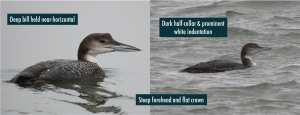
Great Northern Diver Identification. Photo (left) © Clare Slade
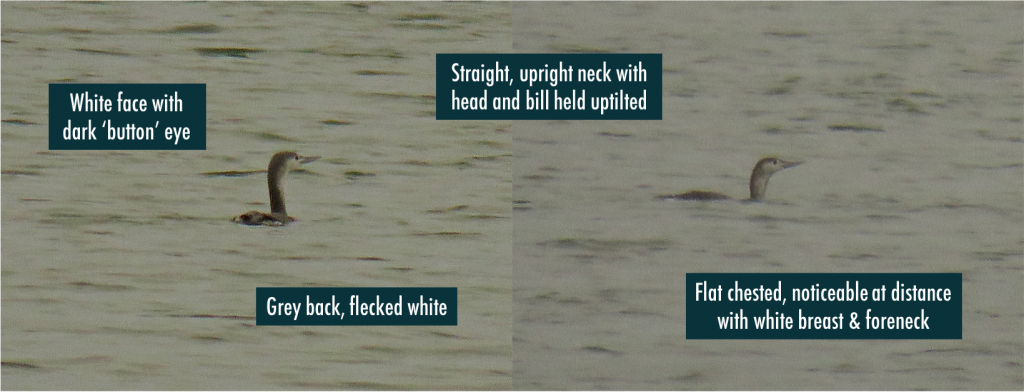
Black-throated Diver are the least common of the three ‘regulars’, they can arrive and spend time in the bays outside the harbour mouth during the winter. They are scarcely recorded inside the harbour, when present the north channel off Evening Hill and Salterns Marina seems most favourable. In winter, birds can be also be found fishing off Sandbanks just outside the harbour mouth and into Studland Bay, with a maximum of 8 in Poole Bay 7th January 1989, however most records are logged from winter seawatches from Branksome Chine. Unseasonal historical records include individuals on 31st July 1978 and 13th June 1984. One also summered in Poole Bay in 2000 and was present from June to September seen mainly off Branksome Chine. One on Hatch Pond 21-23 January 1995 was a noteworthy inland record.

Black-throated Diver Identification
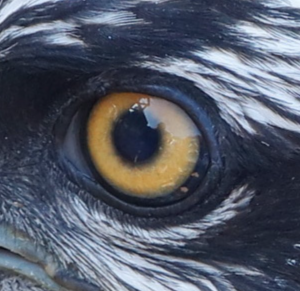
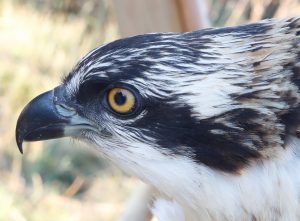
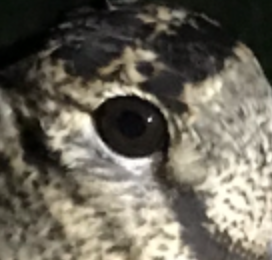
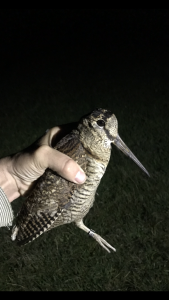
Inspired by a friend of ours recently, we’re planning on hosting an ID quiz leading up to Christmas, providing you with a head scratching ID conundrum to figure out. Each day we’ll post a new ‘EYE SHOT’, followed the next day by the answer, the original photo and ID info about the species featured each day.
Some will be relatively straight forward, some not so, and some will really get you thinking (and even provide some sleepless nights)
Each species is a regular visitor to the harbour, some more regular than others, but there’s no mega rarities, so with a bit of time (and maybe your Collins Field Guide), you should be able to work each photo
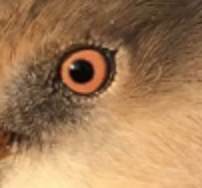
1. So, to kick things off, here is the first ‘EYE D’ challenge. Whats this regular winter visitor to Poole Harbour?
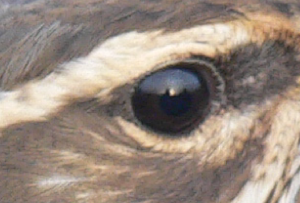
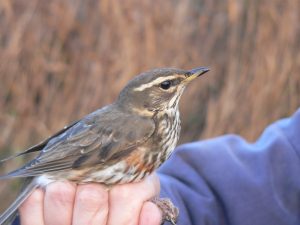
Of course, our first ‘Eye D’ challenge was fairly straight forward with most people getting it correct. It was indeed a Redwing. The biggest clue in the close up shot is the creamy buff supercilium (stripe above the eye). The clincher in this photo is the snippet of pale throat you can see too, which combined with the supercilium makes this a Redwing.
2. Ok, so we started off fairly easy. We’ll step things up a bit now. Any ideas on this vibrant passerine?
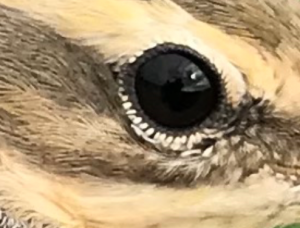
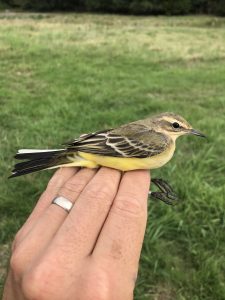
This caused a few more ID issues, mainly because of the lack of features to go by. The main feature is of course the bright yellow supercilium and the amount of bold yellow under the eye too making it a gorgeous Yellow Wagtail.
3. Yesterdays was a tad tricky so here’s something a bit kinder. Whats this familiar harbour species?
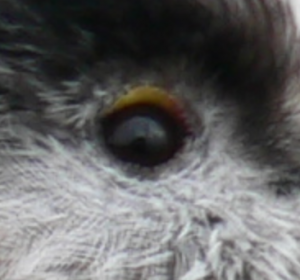
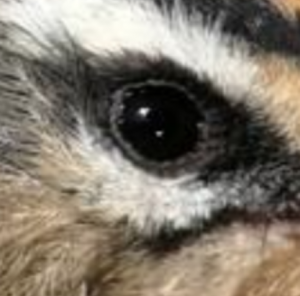
Yep, most people got this one correct. Despite only being able to see its eye, it’s still possible to see the ‘cuteness’ of this Long-tailed Tit. The the big, broad dark/black stripe over the eye and the white ‘fluffy’ feathering below are easy clues to this being a Long-tailed Tit.
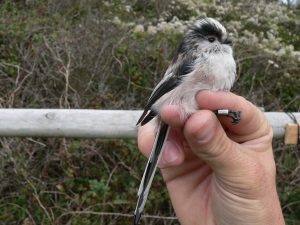
4. With pretty much everyone guessing yesterdays correctly, we’re going to step things back up again today. So, whats todays tricky ‘Eye D’ challenge?
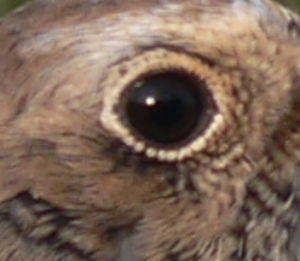
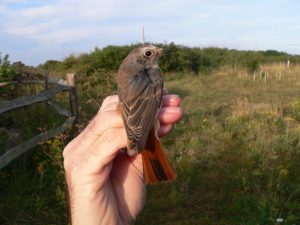
Day 4 – ‘Eye D’ challenge – So yesterdays was pretty hard but several people still got it right. It was an autumn male Common Redstart. Well done if you got it right. Todays will be posted in due course!
5. Day 5 Christmas ‘Eye D’ challenge. Something a bit different this evening. A lovely Poole Harbour species, but what is it?
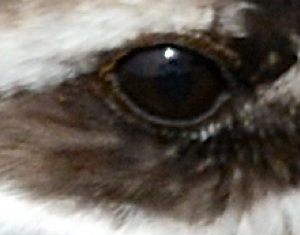
Day 5 ‘Eye D’ Xmas challenge answer – Yep, most people got this one correct. It is of course a Ringed Plover. Thanks Nick Gadenne for the photo. Todays will be posted shortly. Its going to be another tough one!
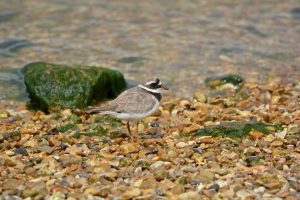
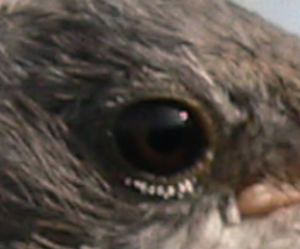
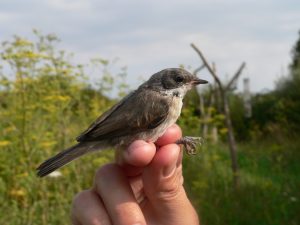
6. Day 6 ‘Eye D’ Christmas Challenge – A real Sunday head scratcher. Think outside the winter box for this one….
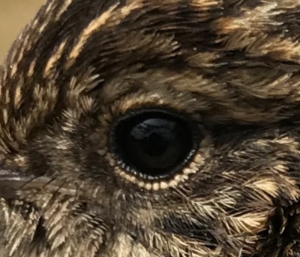
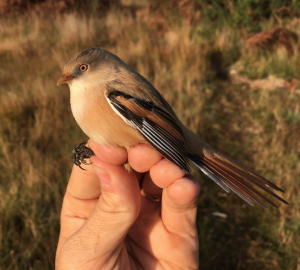
Day 6 ‘Eye D’ challenge reveal – Yep, many of you guessed it was a chat. Many said Robin, but it was in fact a juvenile Stonechat caught and ringed this summer. Right, we’re going to make todays extra challenging.
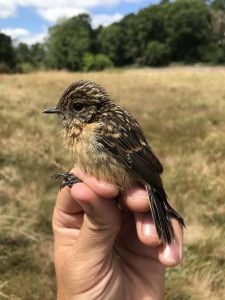
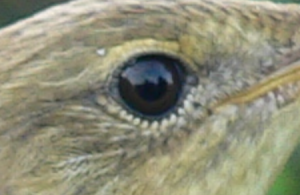
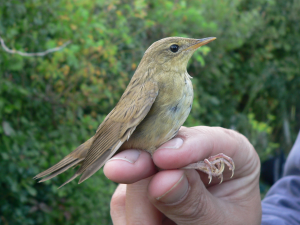
7. Day 7 Christmas ‘Eye D’ Challenge – A tougher challenge today. No help just yet. See if anyone can get it before we have to drop some clues….
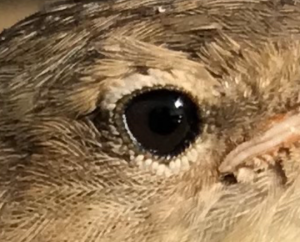
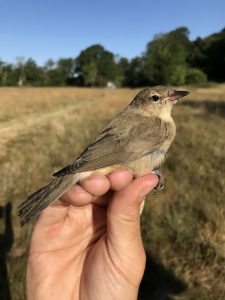
Day 7 Christmas ‘Eye D’ challenge reveal – Yesterdays was pretty tricky and in fact no one got the right answer! The bird in question was a handsome Garden Warbler! Better luck later today!
8. Day 8 Christmas ‘Eye D’ challenge. So sorry, for some reason this didn’t post yesterday. Whats this (now) regular breeder in the Poole Harbour area?
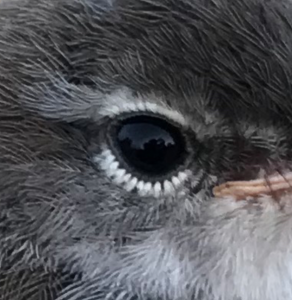
Day 8 ‘Eye d’ Christmas Challenge reveal – These can often be tricky up close, but many people still got it correct. It is of course a Cetti’s Warbler. Well done if you got it correct. Todays challenge will be posted a bit later
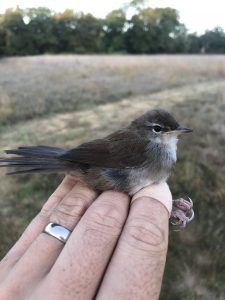
9. Day 9 Christmas ‘Eye D’ challenge – Excuse the poor quality, we had to zoom in quite a bit to make this bird not too obvious. So, despite the zoom…..any guesses?
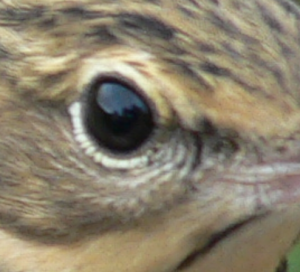
Day 9 Christmas ‘Eye D’ challenge reveal – Well, many of you guessed it was a pipit species, but only a handful correctly answered Tree Pipit, so well done if you got it right! Todays will be posted a bit later
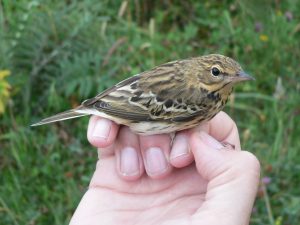
10. Day 10 Day 10 Christmas ‘Eye D’ Challenge – There should be enough in this photo to help you ID this birders favourite….


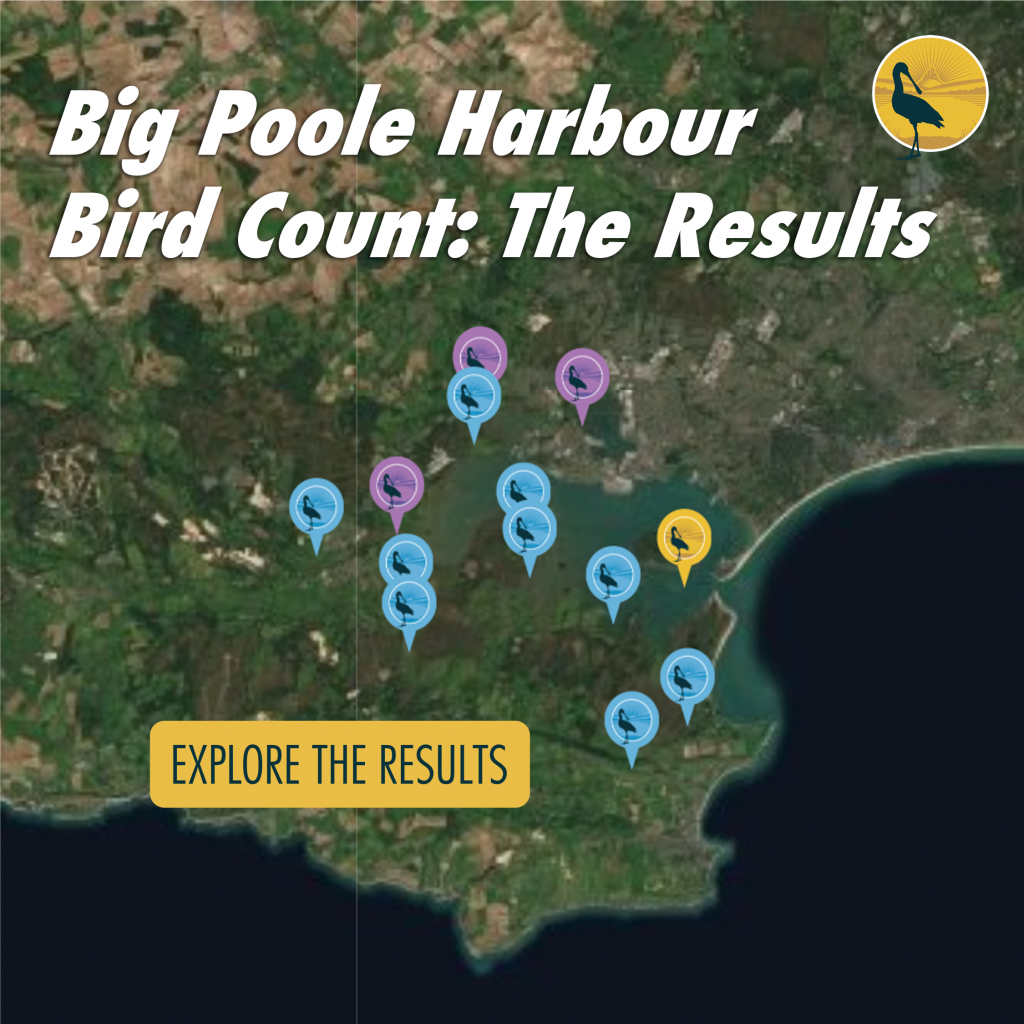
The Big Poole Harbour Bird Count brings together the community to carry out an in-depth census of the birdlife in Poole Harbour, and we are excited to announce that the October results are in!
The Birds of Poole Harbour team would like to say a huge thank you to everyone that got involved on the big day. Thanks to you, we have generated another incredible harbour-wide dataset, providing a fascinating insight into Poole Harbour’s important birdlife this autumn.
The Results
Because so many people helped to collect this data, we want everyone to be able to enjoy it! Follow the button above to explore the interactive map to visualise every sighting from the big day and generate a range of statistics.
Did you know?
Birds of Poole Harbour will be hosting the Big Bird Count every quarter, allowing us to better understand how our birdlife changes throughout the seasons. We are already gearing up for next season and look forward to building on this fantastic community-based dataset. We hope you enjoy exploring the results and thanks once again to everyone that took part.

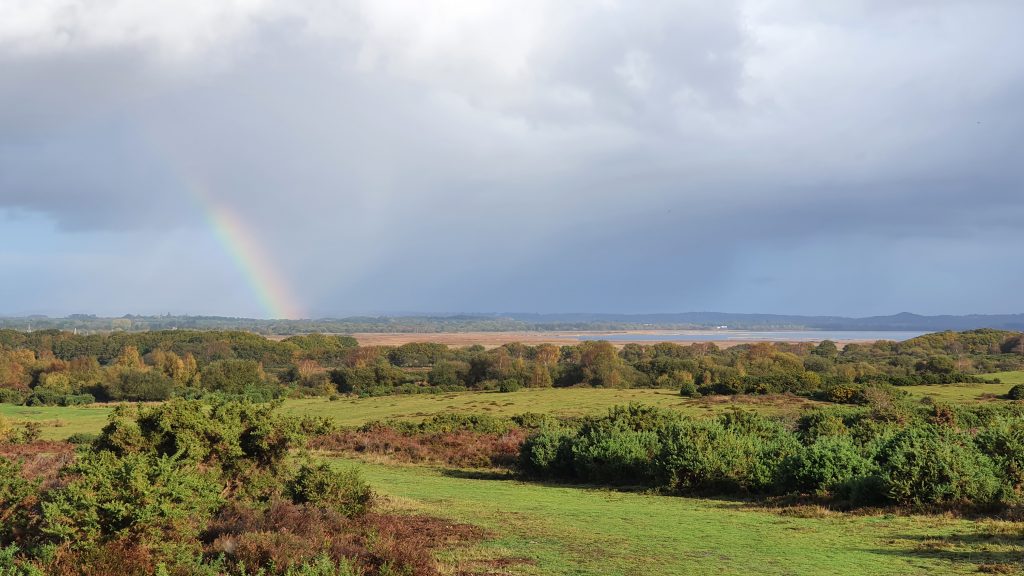
Soldiers Road, October 25, 2020 © Brittany Maxted
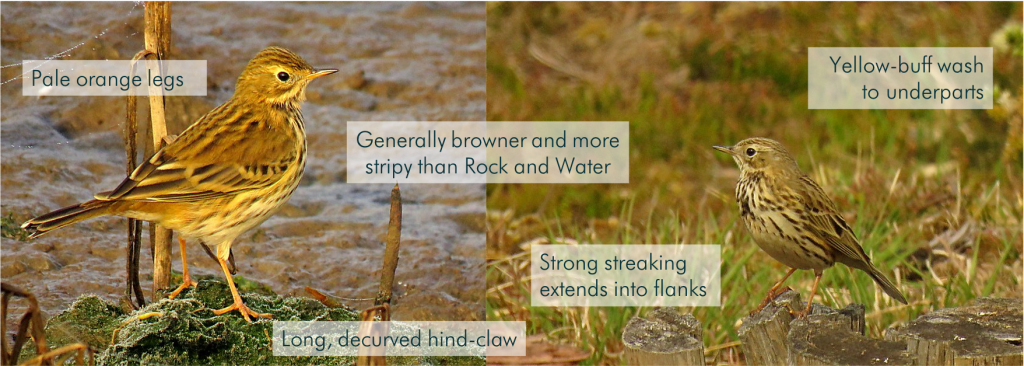
Pipits have been on the move in recent weeks. Of the four pipits that regularly occur in Poole Harbour, two are resident, one is a summer visitor and the other is a scarce winter visitor. Meadow Pipits, often referred to as Mipit by birders, can be seen all year around. During the summer months, Meadow Pipits breed across our local heathlands, with strong populations at Arne, Studland and Godlingston. Numbers fluctuate in autumn and winter, especially out on open heathland where numerous feeding flocks of 50+ individuals assemble during the winter. Autumn passage can be an impressive spectacle, with counts of 500+ over the harbour during favourable vis-mig conditions. Much like with the finches we discussed several weeks ago, early morning visits to North Haven, South Haven and Ballard Down during September and October are best when looking to connect with large numbers of passage birds.
Despite being widely under-appreciated, disregarded as small, brown and squeaky, Meadow Pipit plumage is in fact an immaculate rich olive-brown, complimented by a yellow-based bill and pale pinkish legs. Their resident status unfortunately shrouds the considerable movements these attractive pipits undertake at this time of year. Estimates put the breeding population in Britain and Ireland at approximately 2.5 million pairs, and the wintering population at more than half this. Sizeable numbers (over 450,000) have been ringed in Britain and Ireland, but only a fraction are recovered. This is considered to be due to their excellent camouflage plumage and the remote areas Meadow Pipits frequent. On the plus side, Meadow Pipits are amongst the most conspicuous daytime migrants, not least because of there piercing seet flight calls, and this assists in plotting there migratory flyways.
Ring-recoveries and observations reveal a steady southward movement spanning July to October and November. Some of the British breeding population do not leave our shores for the winter, and simply leave the inhospitable uplands in search of milder lowland areas, such as Poole Harbour. Those that leave Britain head typically move south into France and then southwest into the Iberian Peninsula, some even crossing over into North Africa! Movements of British birds are augmented in spring and autumn by birds en route to and from Scandinavia and Iceland.

Meadow Pipit. Photo © Ian Ballam
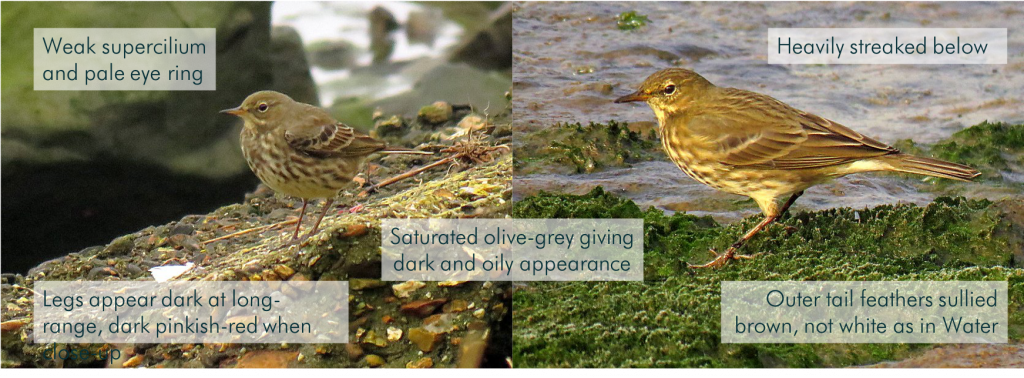
Rock and Water Pipits are visually and audibly very similar, both are more easily separated from the commoner Meadow Pipit in being bulkier, more upright birds with longer legs and a noticeably longer, more dagger-like bills. In flight, Meadow Pipit are shorter-winged and shorter-tailed, with a more hesitant flight. Flight calls are helpful when separating Meadow Pipit. Both Rock and Water Pipit give a strident single pseep, whilst the thinner Meadow Pipit call is a string of more feeble seep notes, generally delivered in pairs or triplets.
Meadow Pipit flight call
From Catching the Bug web-book © The Sound Approach
Rock Pipit flight call
From Catching the Bug web-book © The Sound Approach
Water Pipit flight call
From Catching the Bug web-book © The Sound Approach
Locally, Rock Pipits breed on cliffs around Ballard Down where they can be encountered throughout the year in small numbers. Rock Pipits are widely recorded during winter on the saltings across the harbour, sometimes in large numbers, with 60 recorded at Swineham on November 26, 1989 and 50 at Lytchett Bay on December 18, 2005. In spring, when these birds begin to acquire their summer plumage, it is apparent that many, if not all, are in fact Scandinavian Rock Pipits (race littoralis). Unlike our British birds, which are highly sedentary, Scandinavian littoralis are a separate subspecies that breed in – you guessed it – Scandinavia. February 22, 2016 saw eight spring plumage (presumed) littoralis Rock Pipits at Lytchett Bay. Ringing data from the Bay also supports these observations with two birds recovered with foreign jewellery, one with a Norwegian ring and the other with a Belgian ring (captured and ringed on migration from Scandinavia en route to its British winter grounds).

Rock Pipit. Photo © Ian Ballam
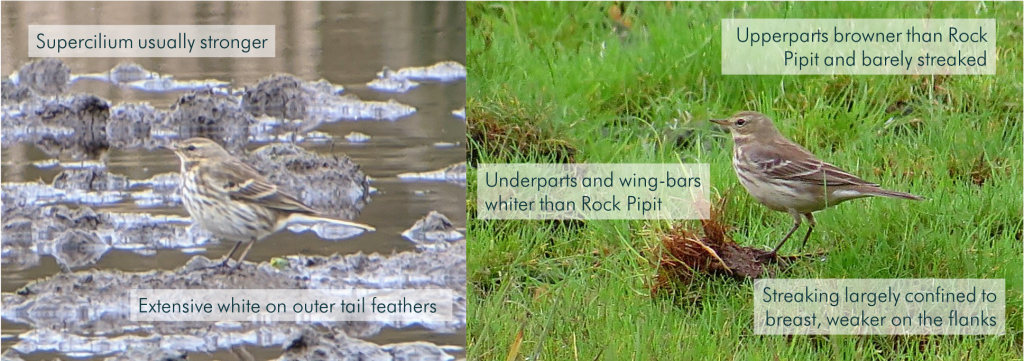
Previously considered a subspecies of Rock Pipit, Water Pipit was granted full species status in 1986. Water Pipits are scarce seasonal visitors to Britain. Locally, Lytchett Bay, Holton Pools, Wareham Water Meadow, and the Wytch Causeway are the most reliable sites during the winter. However, it is always worth checking any suitably wet marshy fields over the coming months. An incredible historic record logs a max count of 50 birds at Wareham Water Meadow on December 9, 1984.
The fact that Water Pipits winter in Britain is a curiosity. Water Pipits are an altitudinal migrant, breeding in the alpine meadows of the Alps and the Pyrenees, moving down to lowland freshwater habitats, mainly the Mediterranean and Atlantic coasts of southern Europe to overwinter. The 200 or so individuals estimated to winter in Britain embark on a north-west migration in the autumn, highly unusual for a wintering passerine in Europe! Freshwater wetlands including cress beds and sewage works, as well as wet coastal pastures and marshes are favoured winter habitat in the UK.

Water Pipit winter plumage. Photo © Shaun Robson (left) & Ian Ballam (right)

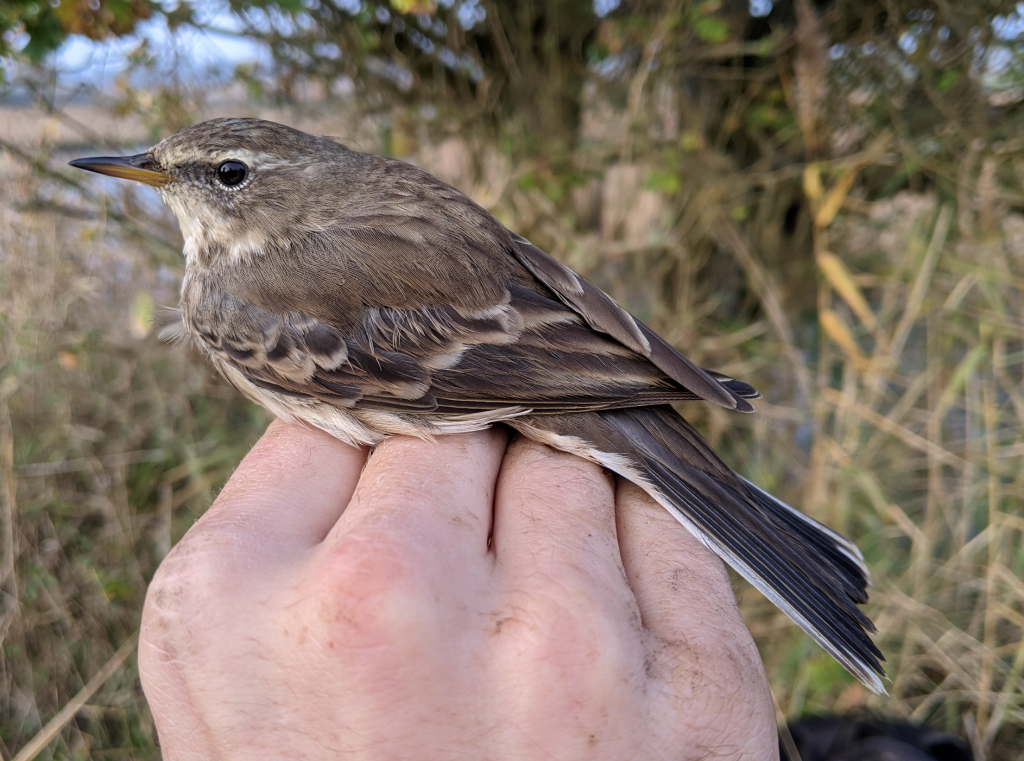
Water Pipit. Photo © Shaun Robson
Late winter and early spring brings about additional challenges as pipits begin to moult their head and breast feathers. The transition sees Water Pipits transform into their gorgeous summer plumage, with bedazzling pink breast and dark ash-grey head. Confusingly, Scandinavian Rock Pipits (unlike our resident breeding population) may also acquire a peachy tint to their breast, although some breast streaking in typically retained, so be sure to scrutinise any moulting birds later in the season.
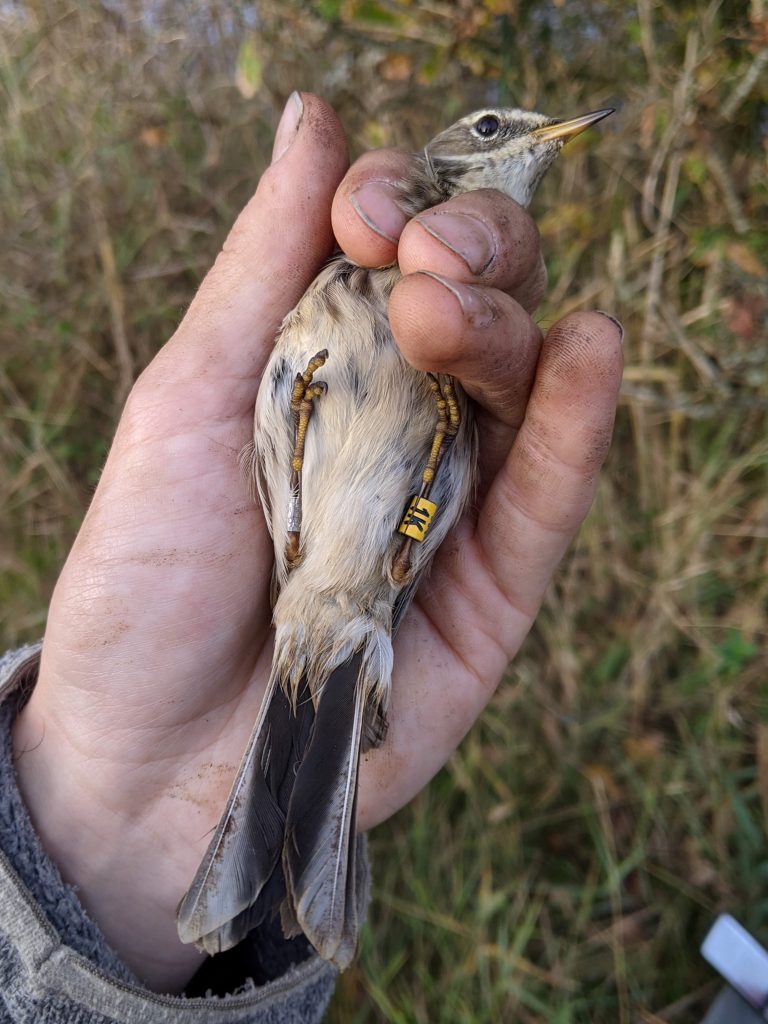
And of course, please check all Water Pipits for colour-rings! Report any sightings to Birds of Poole Harbour and find out how (and why) to report a ring here ». To date, three birds have been captured and ringed at Lytchett Bay, look out for yellow rings and marked 0K, 1K and 2K…
Water Pipit. Photo © Shaun Robson
Found ubiquitously around the harbour, you would struggle to go a day without encountering the familiar Woodpigeon. However, to truly appreciate the gregarious nature of these plump pigeons you need to witness the autumn passage that takes place every year in early November.

Woodpigeon are a common diurnal (daytime) migrant across much of Europe. Owing to their stocky size, Woodpigeon movements are relatively easy to observe on a crisp November morning in Poole Harbour, and last Wednesday was no different! The first few birds began to move just before sunrise, appearing over Evening Hill, the harbour’s premier Woodpigeon watching vantagepoint. Small numbers began to trickle through with flocks averaging 20, 40 and 100 strong at first, gradually building over the next hour to between 500 and 1,000. But then, 8am saw a notable shift as flocks between 500 to 2,000 individuals began streaming high above the harbour, passing south west over Brownsea Island and Sandbanks.
In the end, we estimated 75,014 passed over Poole Harbour on Wednesday morning, but it is likely high-altitude flocks may have passed through unnoticed, and so actual count is almost definitely higher. A respectable total, but this does not come close to the staggering 161,257(!) Woodpigeon logged over the harbour in a single morning on 7th November 2010.
The spectacle takes place every autumn, but peak passage only lasts a single morning when conditions are perfect, typically falling between November 1st and 10th, coinciding with clear skies and a light north easterly breeze.
Intriguingly, the origin and destination of these passage pigeons remains uncertain. It is assumed these are all UK Woodpigeons that have moved south through the country during the late summer and early Autumn and are departing the south coast, heading down into cork oak forests of Portugal and Spain.
British and Irish breeding Woodpigeons are generally sedentary, so it is unlikely that our local breeding populations are undergoing these migrations. That said, dispersal of first-year birds has been documented in late summer, ranging 30 km on average, before returning to their natal area to breed. Despite many long-distance recoveries on the Continent, ring-recovery data shows only very local movements of birds breeding in Britain to date, and similarly there is little evidence for birds arriving en-masse from Scandinavia. It could be the case that the Woodpigeons observed on the move are from highly migratory northern European populations, but ring-recoveries are lacking to back this up. It seems likely that the majority of these birds are from Fennoscandia and heading for France or Iberia and are not in Britain long enough to be ringed or for any rings that they are carrying to be recovered.
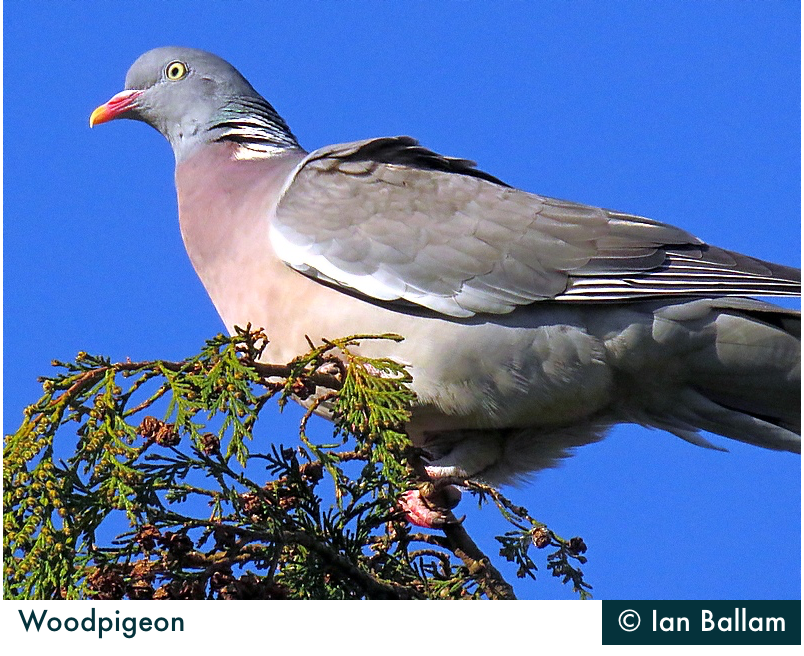
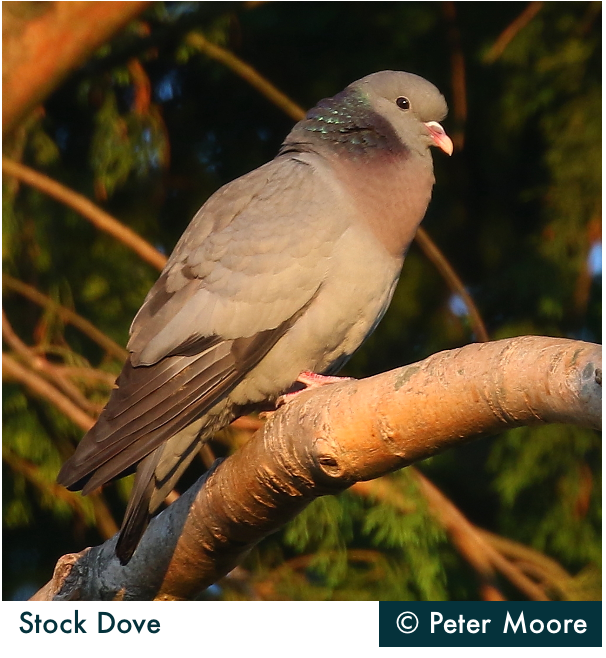
During large movements like this there are often a few Stock Doves hidden amongst the flock so be sure to scrutinise the clouds of passage pigeons. Stock Dove are similar in size and shape to the widespread Feral Pigeon, and so slighter and shorter-tailed than Woodpigeon. These features standout when scanning mixed flocks in flight. At closer quarters, Stock Dove plumage is a smart blue-grey with a flashy green neck patch. Woodpigeon are best distinguished by the large white neck patch and broad white transverse band on upperwings in flight. Note that juvenile Woodpigeons lack the diagnostic white neck patches.

Winds remaining fairly light as we progress into the weekend, however clear spells are looking unlikely and yesterday’s blanket of fog that settled over Poole Harbour north meant big movements never really got going. Evening Hill is the best location for the full Woodpigeon experience in Poole, however passage can be recorded across the harbour area. In recent days, Lytchett Bay has recorded c.2,000 Woodpigeon and Westbourne has logged over 13,000 in a single morning.
Understanding where and when to ‘bird’ Poole Harbour is vital when looking to connect with the impressive finch movements that take place in October and November. While many species migrate at night, finches get moving at first light. The early risers form large flocks, travelling along invisible migration corridors during the first few hours of the day. Early morning visits to top visual migration (or ‘vis-mig’) sites such as South Haven, Ballard and Glebelands are the most rewarding.

Let’s start by looking at one of our most familiar garden visitors. Goldfinch are now one of the most common visitors to our urban and rural gardens across the harbour. It’s pretty much expected that any garden feeder offering sunflower hearts will attract Goldfinch. But beyond the boundaries of our gardens, the musical twitterings of these familiar finches are readily encountered during October and November when thousands can pass over on migration in a single morning! Local parks and gardens offer a great opportunity to familiarise yourself with their cheery calls before venturing out vis-migging.
In this sound recording of a mixed finch flock at Hartland Moor in 2014, note the musical notes of the Goldfinch interspersed among the drier, lower pitched calls of the Linnet. The first half of the recording is dominated by Linnet calls, switching to Goldfinch after c.30seconds. Notice the greater variation in pitch of the Goldfinch calls, making for a delightfully ‘bouncy’ quality.
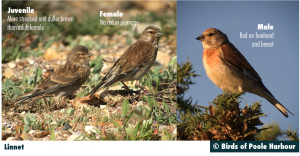
Linnet are a splendid finch of our heaths, scrub and farmland. Although a common resident, breeding is not as evident in Poole Harbour compared to only 10-15 years ago. Singing birds can still be encountered throughout the summer at Arne, Holton Lee, Canford Heath, Studland, Godlingston and Upton Heath. Whilst on passage, large numbers pass over our coastline, with impressive counts of 700+ logged in a matter of hours from first light over Ballard Down or South Haven during mid to late October. Listen out for the lower pitched flight calls, often delivered in pairs. Winter feeding flocks can occur where farmers’ fields have been left.

Closely resembling Linnet, the hardier Twite typically migrate from late October into early November, with most wintering further northeast. As a result, they are extremely rare in Poole Harbour, however the occasional bird could easily be overlooked. Twite are most likely to be encountered as a passage migrant in late autumn at Ballard, Glebelands or South Haven. However, there are a few over-wintering records, so it’s well worth scanning through winter Linnet flocks for the chance to pick out the gorgeous pink rump of a male Twite.
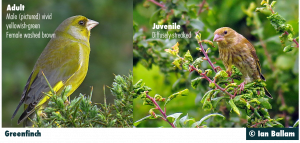
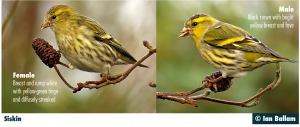
Siskin and Greenfinch can also be encountered visiting artificial feeders, along with their golden counterparts. The chunkier Greenfinch are predominantly unstreaked green in most plumages, while the smaller Siskin it differs in being strongly streaked, with boldly barred wings. Greenfinch are evident as a breeding species across the harbour, despite a slight decline in recent years due to the outbreak of Trichomonosis (find out more about the disease in this BTO article). Winter flocks do occur, but passage is much more evident in October and November, with birds passing over on migration in good numbers, although numbers have fallen. Almost merging into a trill, the rapid-fire ‘jupp‘ calls of the Greenfinch are delivered in fast bursts. The ever-increasing breeding status of Siskin has resulted in the species becoming far easier to locate in the harbour. Winter sees adults bringing their young to our niger seed feeders around the harbour, however large flocks of 500+ strong can be counted on passage during the autumn as birds pass the harbour mouth early morning. Listen out for the diagnostic, ringing ‘tilu’ calls.


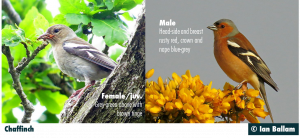
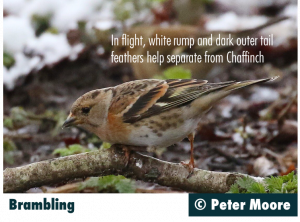
Chaffinch and Brambling are remarkably similar in shape and pattern, with colour details important in separating the two. Both colourful finches, the Brambling has an orange ‘shoulder’ and narrow white rump. Often with Chaffinches, Brambling will feed under trees (Beech often a firm favour), in fields and occasionally beneath bird tables with spilled seed. Chaffinch breed across the harbour, encountered regularly in both urban and rural areas. Large numbers can be viewed during vis-mig watches from South Haven, Ballard and Glebelands. Large winter flocks of up to 300 birds have been recorded at numerous sites including Arne, Swineham and Soldiers Road. On the other hand, Brambling are no longer guaranteed to overwinter as in previous years but remain a regular passage migrant in October and early November. An impressive 300-500 birds overwintered at Arne back in 2003/04!


Keep an ear out for the distinctively grumpy ‘nay?’ social calls among the plain ‘yeck’ flight calls of the Brambling, averaging roughly 30% lower than that of the Chaffinch.
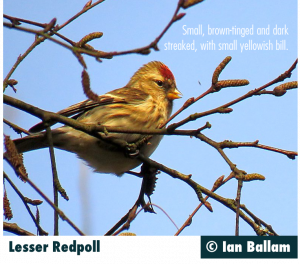
The taxonomy of redpolls divides opinion, with some regarding the complex as comprising of several species and others suggesting a lumping of just one, maybe two species. Difficult to tell apart, separation of the various forms is possible, but beyond the scope of this article. Local breeding Lesser Redpoll are by far the most familiar to us in Poole Harbour. October sees birds move away from their breeding grounds and are regularly encountered on ‘vis-mig’. The tiny, tit-like finches are a delight to see up close, with their jet-black bibs and striking red forecrowns. Try search Alder and Birch trees during the winter for birds feeding on the seeds and catkins, with flocks of 50–100 birds often be found at Studland, Arne, Upton Heath and Hartland. However, these flocks are known to wander, not particularly sticking to strict wintering grounds. Listen out for the distinctive harsh ‘che che che’ flight calls, delivered in rapid-fire bursts of two or three notes. Common and Arctic Redpolls are less likely to encounter, but not impossible.

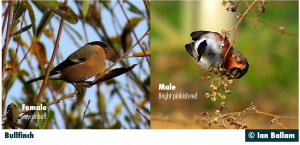
Bullfinch breed across the harbour, favouring areas with thick hedge rows and fruit trees and can be regularly encountered at Upton House, Lytchett Bay, Holton Lee, Studland and Swineham. Movements into more unusual location may also be detected at peak times of passage and is typically a result of local dispersal. However, genuine migration does occur in some years. This was most noticeable in 1987, when a flock of 40-60 birds were recorded at Studland coinciding with an autumn influx of birds into the county the previous October. Other notable historic counts include 30 at Parkstone in December 1974 and 40 at Holton Heath in November 1984. Listen closely for their insignificant-sounding, muted call.

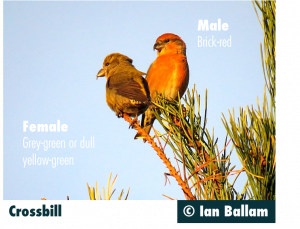
Crossbill numbers around Poole Harbour are very much dependent on invasions. Although the local population (centred around Rempstone heath) is now quite low, irruptions are frequent and can become very common during irruption years. Parties of Crossbill are on the move during August, September and October, and can frequently be observed passing over head any habitat. However, memorising their distinctive flight call is essential to help confirm identification. Once again, Glebelands, South Haven and Ballard are all top sites for witnessing Crossbill on migration. Often heard before they are seen, Crossbills are best located by their powerful, metallic ‘glip’ flight calls.

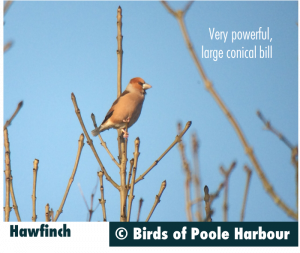
Hawfinch, a highly sought-after migrant locally, are very rare visitors to the harbour, with the best opportunities arising during autumn migration at South Haven, Ballard Down and Glebelands. However, autumn 2017 experienced an unprecedented irruption from southern and eastern Europe, with thousands arrive into the UK. Sightings began in Poole Harbour at the expected coastal locations, however by November they were regularly being seen at inland sites like Lytchett Fields and Lytchett Minster, Arne, Wareham Churchyard and Holmebridge. They even began appearing in suburban gardens in Upton! It’s unknown exactly how many over-wintered during the 2017/18 winter period, but estimates suggest several hundred in Poole Harbour alone and possibly over 1000 across Dorset. Hawfinch calls are far from any other the previous finches discussed, with the ‘vit’ flight calls possessing a Robin-like quality.

Much like the flocks of hardy thrushes we discussed last week, these long, dark and often dangerous journeys are also undertaken by their diminutive counterparts. Possibly owing of their size, it’s hard to get your head around the fact that thousands of tiny Goldcrests arrive from northern Europe, crossing the North Sea to overwinter in the UK. These minute gems are Europe’s smallest bird and are readily encountered as a breeding species across the UK during the summer. However, each autumn sees a mass Goldcrest arrival from Northern Europe as birds depart from the plunging temperatures, settling here for the winter.
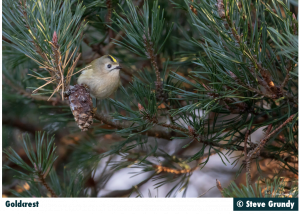
Minute size, fine bill and short tail help to identify Goldcrest in the field. The plumage is pale green above and off-white below, with a black bordered head crest, yellow in females and admixed orange in males. An hyperactive feeder, Goldcrests restlessly flit along branches, often hanging tit-like in search of small insects among the foliage, regularly making short flights between trees. While feeding, Goldcrests flicks their wings and give a high-pitched see-see-see call.

Found across any suitable breeding habitat throughout the harbour during the summer, Goldcrest favour the large stands of coniferous woodland along the southern and western shores of Poole Harbour. Arne, Upton Country Park, Canford Heath, Sandbanks, Studland, Middlebere and Lytchett Bay are all excellent sites to go in search of breeding birds locally. Even common garden evergreen hedging leylandii can attract Goldcrests, but birds only tend to visit our more urban gardens during cold snaps, when foraging for natural food sources becomes more challenging. During October, large numbers grace our woodlands and hedgerows around the harbour, associating with various warbler and mixed tit flocks. The headlands around Ballard and along the Studland peninsular support large falls in October during irruption years. Working the surrounding gorse and bramble bushes in late October can reveal the newly-arrived visitors as they begin their frantic search for food, calling constantly to each other and sheltering from the wind.
Goldcrest
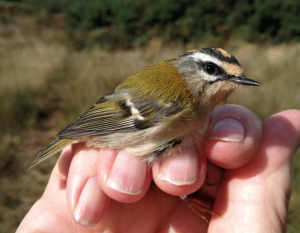
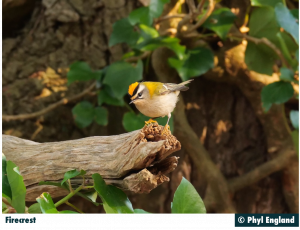
Firecrests also travel these vast distances, but in much lower numbers than their golden cousins – which for a bird weighing a mere 5 grams is simply remarkable! The more striking of the two, Firecrests display handsome black, white and orange head markings and vivid green plumage, which makes spotting them on a cold October morning a real joy.

Most easily located in March and October/November when our local breeding populations are supplemented by migrants from mainland Europe, with ringing recoveries revealing French, Belgian, Dutch, German and and Spanish origin. In Poole harbour, Firecrests seem to favour the southern-most regions of the harbour. That said, Upton Country Park, Lytchett Heath, Fleets Corner and even Poole Park can all feature passage Firecrest, with holly and ivy serving as their favoured habitat. During the summer, recent breeding success at numerous sites including Arne and Brownsea Island indicate that Firecrest are now building a small but growing population within the harbour. Note the accelerated, rising pitch of the Firecrest call below, compared to the more constant pitch of Goldcrest calls, which are delivered in a uniform series.
Firecrest
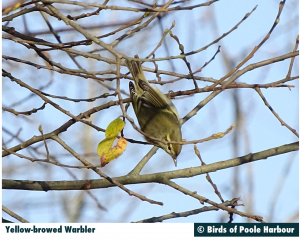
Although not a crest, another tiny green jewel has already begun making an appearance this month in the shape of the Yellow-browed Warbler. Fifty years ago Yellow-browed Warbler were an extreme rarity to the UK, and needed a description written to the BBRC (British Birds Rarity Committee) for the report to be considered for acceptance. However in recent years, these Siberian migrants are rapidly becoming familiar visitors to our shores in October, with between 10-20 logged each year along the Dorset coastline each autumn. They too migrate at night, although they are seldom recorded calling during the hours of darkness. Instead, their presence is typically given away as they make landfall at dawn, giving their distinctive, high-pitched tsoeest call from stands of sycamore trees. Birds have already been recorded at Lytchett Bay, Holes Bay and Canford Heath this autumn. Scanning through Long-tailed Tit flocks anywhere around the harbour could yield a Yellow-browed Warbler in the coming days and weeks!

Yellow-browed Warbler

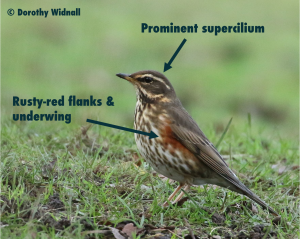
Redwing
October migration is magnificent, and there’s no better example than the arrival of our handsome winter thrushes. Huge numbers travel overnight from their Scandinavian breeding grounds to arrive on our shores from the break of dawn, desperate to feast on our plentiful supply of autumnal fruits and berries. The harsh chack chack chack of the Fieldfare and the thin, descending tseee of the Redwing are a joy to listen to on dark autumn nights as flocks pile over our homes overnight. Having left the Dutch coastline at dusk, they navigate their way through the darkness using singular calls to stay in contact with one another until sunrise. As dawn breaks, they form large flocks and follow visual landmarks before dropping out of the sky to feed. Of the six thrush species that regularly occur in the UK, most make frequent movements across the UK to settle for winter, although our breeding Mistle Thrush populations exhibit little seasonal movement. The first tseee calls of Redwing arriving into Dorset have already been heard in recent nights and Song Thrush have been on the move too, with more Continental immigrants set to arrive imminently, supplementing our local breeders.
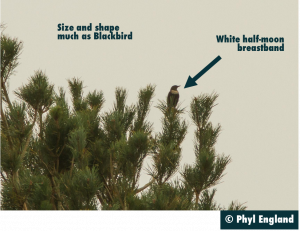
Let’s begin by looking at a garden staple, the Common Blackbird. Instantly recognisable and regularly encountered throughout the year, come late October, tens of thousands arrive into the UK from Scandinavia to join our local breeding population. We are most familiar with their beautiful, full-bodied songs as a soundtrack throughout our summer months. However, at night, their tuneful songs are exchanged for a subtler nocturnal call. The Blackbird’s srrri flight calls are similar to that of Redwing, but are shorter and do not descend in frequency as markedly. They also have a diagnostic modulating quality, appearing as though the call is delivered at a slower speed than Redwing.
Take a close listen to the recordings below, headphones recommended. Familiarise yourself with the first two examples which contain single nocturnal calls of Redwing and Blackbird, respectively. The third recording captures the nocturnal passage of a mixed thrush flock.
1. Single Redwing tseee call. NB: frequency and descending quality
2. Single Blackbird srrri call. NB: modulating quality
3. Redwing, Blackbird & Song Thrush Passage
During the spring, Song Thrush give themselves away with their masterfully rich song. However, in autumn a single tic is all that’s offered as they flies over our gardens at first light, having travelled overnight in huge numbers from northern Europe. The sharp-eyed/eared may have noticed that Song Thrush calls appear in the previous recording, and these unobtrusive flight calls are hidden among the stronger Redwing and Blackbird calls. Revisit the previous recording to listen out for the subtle tic of the Song Thrush after exploring the below recording which provides an example of an isolated nocturnal flight call.
4. Single Song Thrush tic call
5. Fieldfare
Significantly rarer than our other autumn thrushes, Ring Ouzel are a late migrating summer visitor that are currently returning to Africa for the winter, often accompanying flocks of their Scandinavian cousins during their journey south. Ring Ouzel are annually reported from Ballard Down. Arne, Hartland, Slepe Heath, Lytchett Bay and Ham Common all hold recent records, but unfortunately it’s not an easy bird to catch up with in the field. Most recently, a couple of individuals have been kicking around Godlingston Hill Gully. However, Autumn 2016 saw a huge number passing through the UK, with birds turning up at urban sites in Poole including the Fleets Corner, PC World Drain! Listen out for their tongue-tutting tock tock tock calls, delivered in rapid outbursts for the best chance to observe these scarce summer migrants.
6. Ring Ouzel Passage

Ring Ouzel
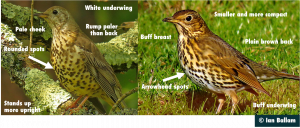
And finally, the only non-nocturnal thrush is the Mistle Thrush, which loves to feed on Rowan berries during October in flocks of between 10-50 before dispersing later in the month to areas unknown! Often confused with the smaller, more compact Song Thrush, use our plate below to help separate these two confusing species.

Comparison of Mistle Thrush (left) and Song Thrush (right)
South Haven is excellently situated to witness huge cold weather movements. A typical cold weather movement can consist of an impressive 6,000 to 10,000 birds. But you don’t need to travel to experience huge numbers, a recent study recorded over 3,000 Redwing passing over Poole Town centre in a single night! To spot these striking winter visitors during the day, try visiting large fields or fruit bearing bushes which provide much needed feeding opportunities. Great sites to work include Lytchett Bay, Soldiers Road, Upton Country Park, RSPB Arne, Bestwall and Upton Heath.
So, rather than retreating to your warm lounges and comfy sofas as the month progresses, venture out and welcome the arrival of our hardy winter thrushes.

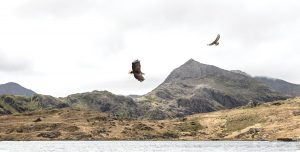
© Eagle Reintroduction Wales
We want to draw attention to an exciting project happening in Wales, where a feasibility study is being conducted for the reintroduction of the Golden Eagle and White-Tailed Eagle by Eagle Reintroduction Wales. Led by Cardiff University, working with the Roy Dennis Wildlife Foundation and Wildlife Trust Wales, there are hopes for the restoration of these two species, both of which have been missing as breeding birds from the Welsh landscape for over 150 years. The team are working hard to engage with various communities across Wales, spreading the word about the potential for eagle reintroductions, as well as furthering education about the two species. Through researching the suitability of landscape for the species in present times the project is building the foundations and evidence required for the translocation of these species.

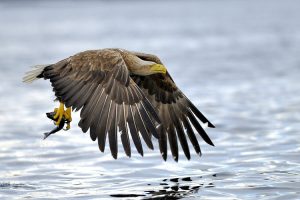
White-tailed Eagle, from the Eagle Reintroduction Wales website
For many people, their vision of eagles always features a mountainous backdrop, with a dramatic landscape to match the dynamism of the birds. The two UK species actually have the potential to be far more widespread, not just being confined to the mountains, in particular White-tailed Eagles. However, their population numbers have been severely impacted, much like the Ospreys, through persecution and pesticide-use.
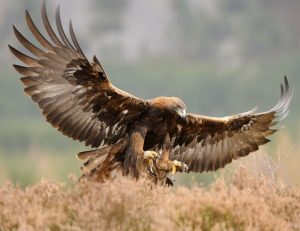
The White-Tailed Eagle, although not having a UK Biodiversity Action Plan (BAP), has a UK Species Action Plan, which involves the restoration of the species in suitable areas. Having previously been extinguished in the the UK, the current population was, and continues to be, rebuilt through a series of translocation projects. The recolonisation of these raptors has boosted eco-tourism in Scotland, capturing people’s imaginations, whether they are well-seasoned wildlife watchers or beginners just starting out. The feasibility study seeks to provide evidence for the suitability of the Welsh landscape for these birds, which would allow for another translocation project, echoing the current work on the Isle of Wight. Golden Eagles do not currently have a BAP, which means that a translocation project is not yet feasible, which is why the research that the project is conducting is of high importance. Without this research, the prospect of returning Golden Eagles to their previous breeding grounds will be a long way off.

Golden Eagle, from the Eagle Reintroduction Wales website
Of course, it’s not just people in Wales who will see the benefit of this project and the return of these species. As we’ve seen with the Isle of Wight reintroduction, these birds have the capabilities to range far and wide, adding excitement to birdwatching across the country. For us, it won’t be long until White-tailed Eagles are a regular(ish) sight in Poole Harbour, we may even see them breeding here in the future. By boosting eco-tourism and restoring two magnificent species that can spark inspiration and a love for the UK’s wildlife, this project has the potential to have huge impact. The project has faced major financial setbacks due to Covid-19, and are crowdfunding to cover the employment of their research assistant and continue the work of the project. With a matter of days before their fundraising deadline, we hope that Eagle Reintroduction Wales are able to gain the support that they deserve. You can donate through their Crowdfunder here and more information can be found on the Eagle Reintroduction Wales website: www.eaglereintroductionwales.com.
© 2026 Birds of Poole Harbour Registered Charity No. 1152615