Archive for the ‘Uncategorised’ Category

BoPH’s first scientific paper published

Posted on: August 13th, 2026 by Birds of Poole Harbour

Birds of Poole Harbour’s first ever peer-reviewed paper is published today in the Journal of Animal Ecology, looking at the long-term recovery of Ospreys in Scotland in collaboration with Bournemouth University and the Roy Dennis Wildlife Foundation!

Many of our supporters will know that our Species Recovery Coordinator, Brittany, has been studying for her PhD part-time alongside her work for the charity since 2019, funded by Birds of Poole Harbour thanks to a generous donation from our founders Mark and Mo Constantine. In July this year Brittany handed in her thesis and we’re delighted to see her first analysis chapter published today in the Journal of Animal Ecology. The paper is co-authored by her supervisors from Bournemouth University, Prof Richard Stillman, Dr Pippa Gillingham, and Prof Ross Hill, alongside Dr Tim Mackrill and Dr Roy Dennis OBE from the Roy Dennis Wildlife Foundation.

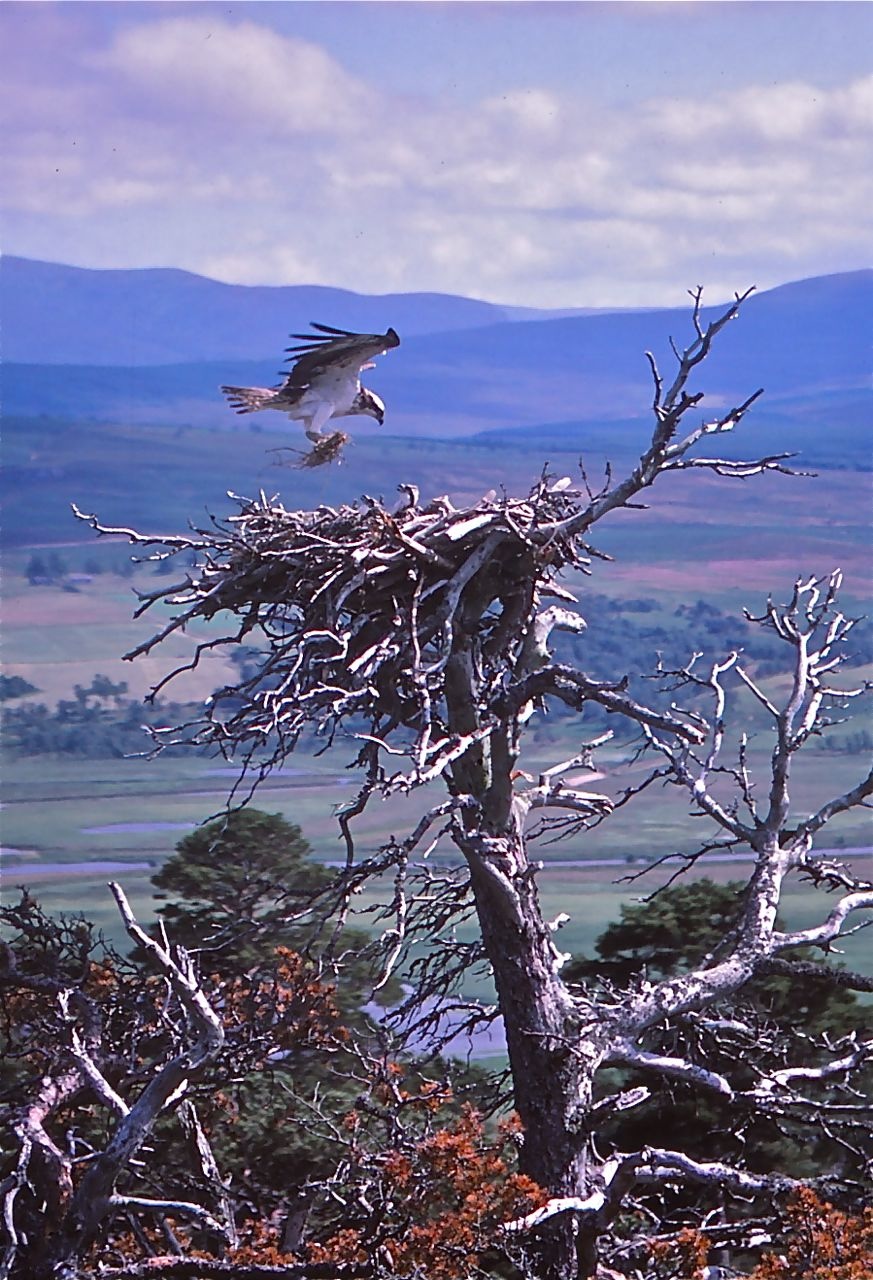
A female Osprey delivering nest material to one of the study nests on the Balavil Estate in the late 1980’s – Hugh Miles

Brittany’s PhD research looked at the spatial dynamics of the Northern Scotland Osprey population during recolonisation, using the remarkable long-term data which was collected over 54 years between 1954 and 2007 by the Roy Dennis Wildlife Foundation. This first study reveals that faster recovery of Osprey populations relies heavily on a small number of Ospreys who, unlike most, prefer to nest away from others of the same species. We refer to these birds as ‘pioneering pairs’ and they could be the secret to helping accelerate population expansion.

Brittany said: “Ospreys usually like to nest in areas where there are already other Ospreys, which we refer to as conspecific attraction. Most males also exhibit natal philopatry, which means they tend to breed close to their own birthplace. Together, these factors lead to very slow population spread for such a large bird. However, in Scotland we noticed that a small number of pairs were choosing to settle more than 20 km away from all the others, in areas with no competition. We call these ‘pioneering pairs’ as they recolonise new areas, and in doing so create separate subpopulations and increase the speed of recovery for the species.” 

Restoring lost species is a key goal in conservation, but very little is known about the process of recolonisation. The study found that the patterns seen in Ospreys are very similar to other types of population expansion which have been much better studied, like biological invasions. The tools that scientists use to investigate these species could therefore also be used to better understand and help recovering species.

The paper’s findings also point to other potential solutions to speed up the recovery of Osprey populations. Dr Tim Mackrill, Lead Ornithologist at the Roy Dennis Wildlife Foundation said: “This study highlights how much the spatial expansion of Ospreys relies on the long-distance dispersal of these rare pioneering individuals. It suggests that the best way to accelerate natural recovery rates is for conservationists to encourage or even replicate these pioneering movements. We can do this by building artificial nests to help entice Ospreys into new areas or by physically moving individuals via translocation.”

Ospreys once bred across much of Britain, but by 1916 they had disappeared due to hunting and egg collecting. However, after a pair naturally returned to a nest site at Loch Garten in Scotland in 1954, a conservation movement began to protect nesting pairs and help the species recover. Dr Roy Dennis OBE, founder of the Roy Dennis Wildlife Foundation has been monitoring and conserving the Scottish population since the 1960s, leading to the incredible dataset behind this study. Roy said: “It’s fantastic that this dataset, which we’ve collected over many decades, continues to teach us more about these remarkable birds. Our findings reinforce that we’re taking the right approach to restore Ospreys across the UK and beyond, and suggest that we should be using these measures even more widely to see faster recovery of the species across Europe.”

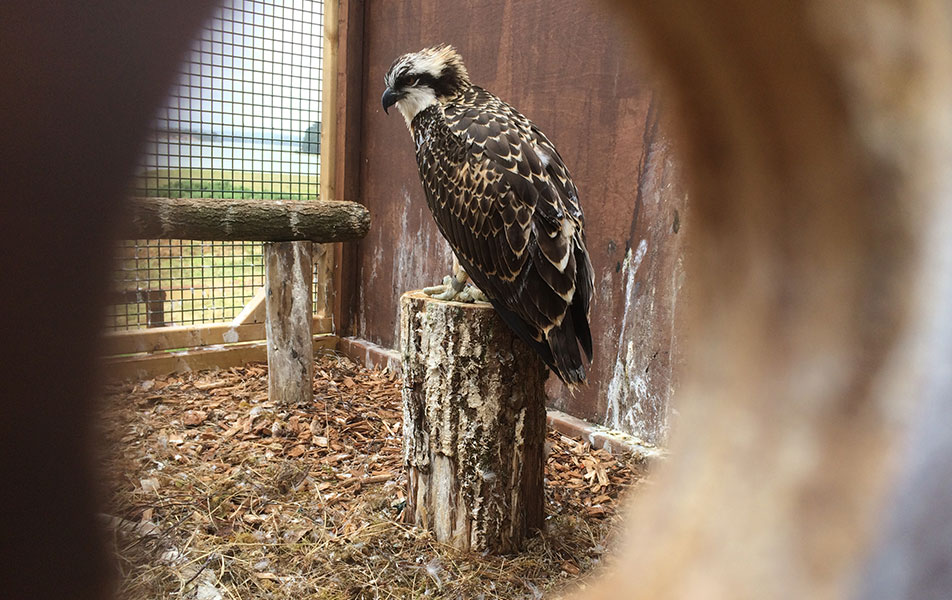
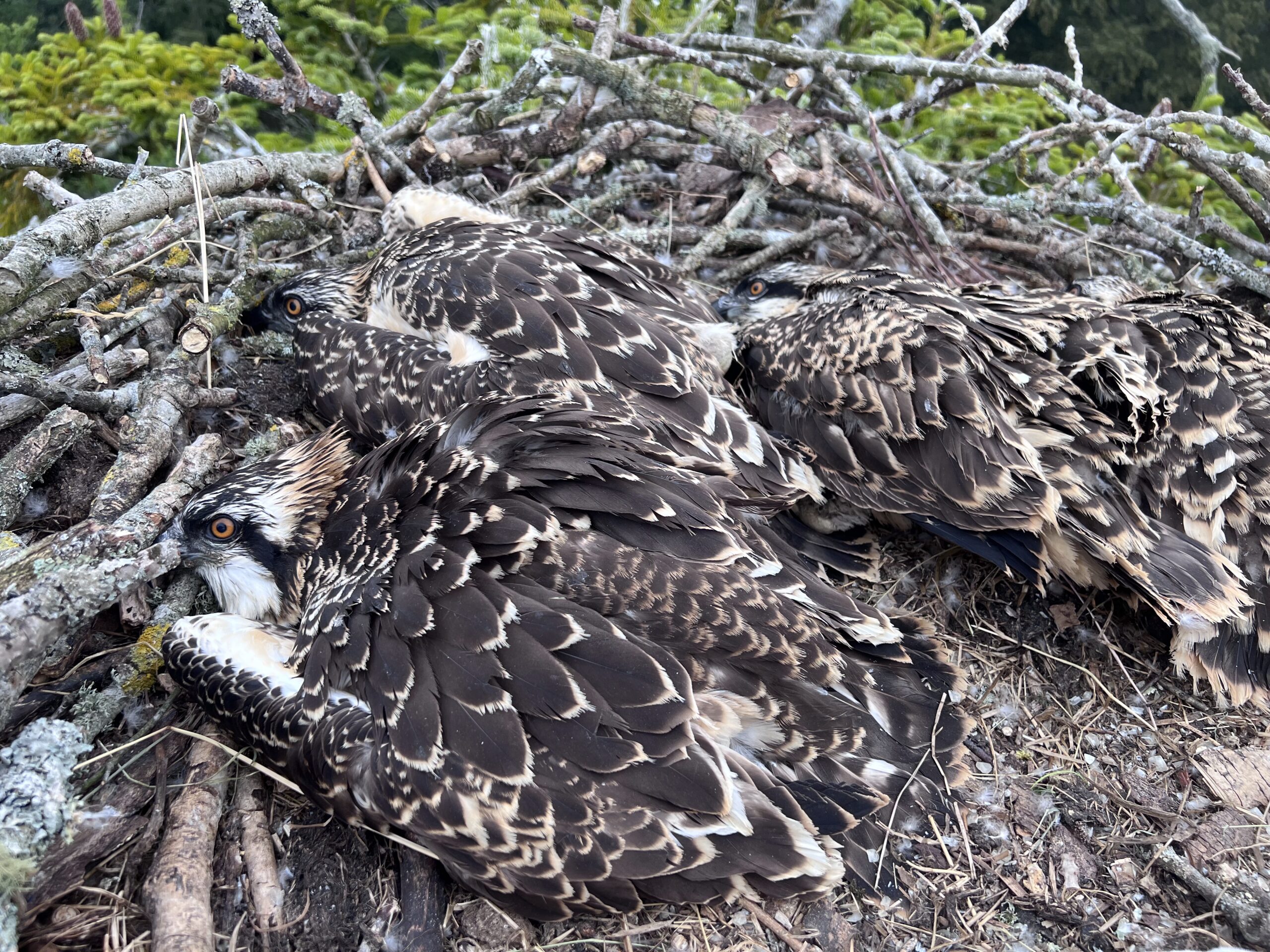
One of the translocated Osprey chicks in the hacking cages during the Poole Harbour Translocation Project

An excellent example of where these techniques have already helped Ospreys recover is here in Poole Harbour, with the five-year translocation project which we ran from 2017-2021 in collaboration with the Roy Dennis Wildlife Foundation, moving young Ospreys from Northern Scotland to Poole Harbour. Healthy chicks were taken from longstanding nests at 7 weeks old and moved temporarily to hacking cages here in Dorset to finish developing before being released into the surrounding landscape, which they quickly came to recognise as home. Brittany said: “Through translocation we can essentially create our own pioneering birds to kickstart a new population! The first breeding pair in Poole Harbour was a male named 022 who we had translocated from Scotland, and a female named CJ7 who had visited from a population 200 km away and was attracted to stay by the presence of translocated chicks. In 2022 they hatched two chicks of their own, becoming the first breeding Ospreys in Southern England since 1847. If it wasn’t for the translocation project, we may have had to wait another 60 years for breeding Ospreys to reach Dorset naturally!”

The project has been a huge success story, with CJ7 and 022 returning to breed and producing chicks at the same nest each year since. This summer they have hatched a staggering four chicks for the third year in a row, all of which are still currently in the harbour, with a chance of being seen from our upcoming Osprey Cruises. And several pioneering movements have also been recorded, with a second pair breeding away from the harbour and the first wild born Poole Harbour chick now breeding in the East Midlands. Both pairs are forming new subpopulations and starting to close the gap between Poole Harbour and the nearest Osprey population in Rutland Water.

Brittany adds: “Translocation is an incredible tool, but it can take many years to see the results. We’re still in the early stages in Dorset, but are already seeing some of the first wild born chicks returning, with four eligible young males currently exploring suitable nest sites and looking for mates. We hope that in the coming years some of them will become pioneers themselves, helping the population spread along the south coast of England. Artificial nests have already been built for them in neighbouring counties like Devon and Hampshire, and based on the results of our study we’ll be aiming to provide lots more.”

We hope that this research will help motivate more conservation action for Ospreys across Europe, where they are still missing from much of their historical range. Brittany and her co-authors also have plenty more research questions which they plan to investigate next, such as what determines where Ospreys choose to nest and what makes pioneering pairs different. And from August, Brittany will be returning to working full time for Birds of Poole Harbour as our Chief Species Recovery and Scientific Lead.

You can read the full paper for free here.

If you’d like to help us continue connecting more people with Ospreys and building artificial nests along the south coast to encourage their spread into new areas in Dorset and beyond, then please consider donating to our Osprey Project fundraiser. Thank you!

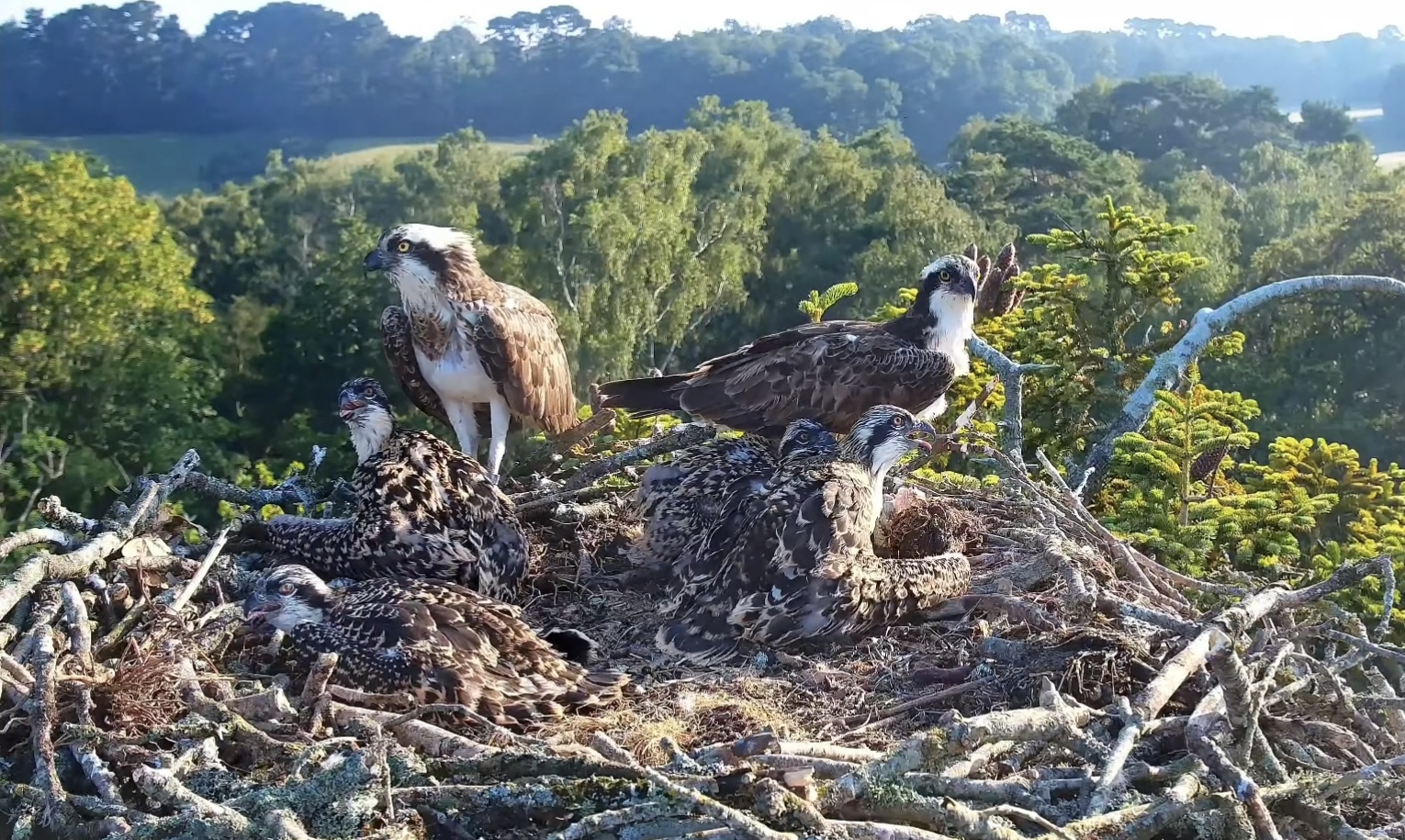
Poole Harbour’s own pioneering pair: CJ7, 022 and their four chicks at the Carey Nest this year

Accessible Birdwatching Boats

Posted on: August 11th, 2026 by Birds of Poole Harbour

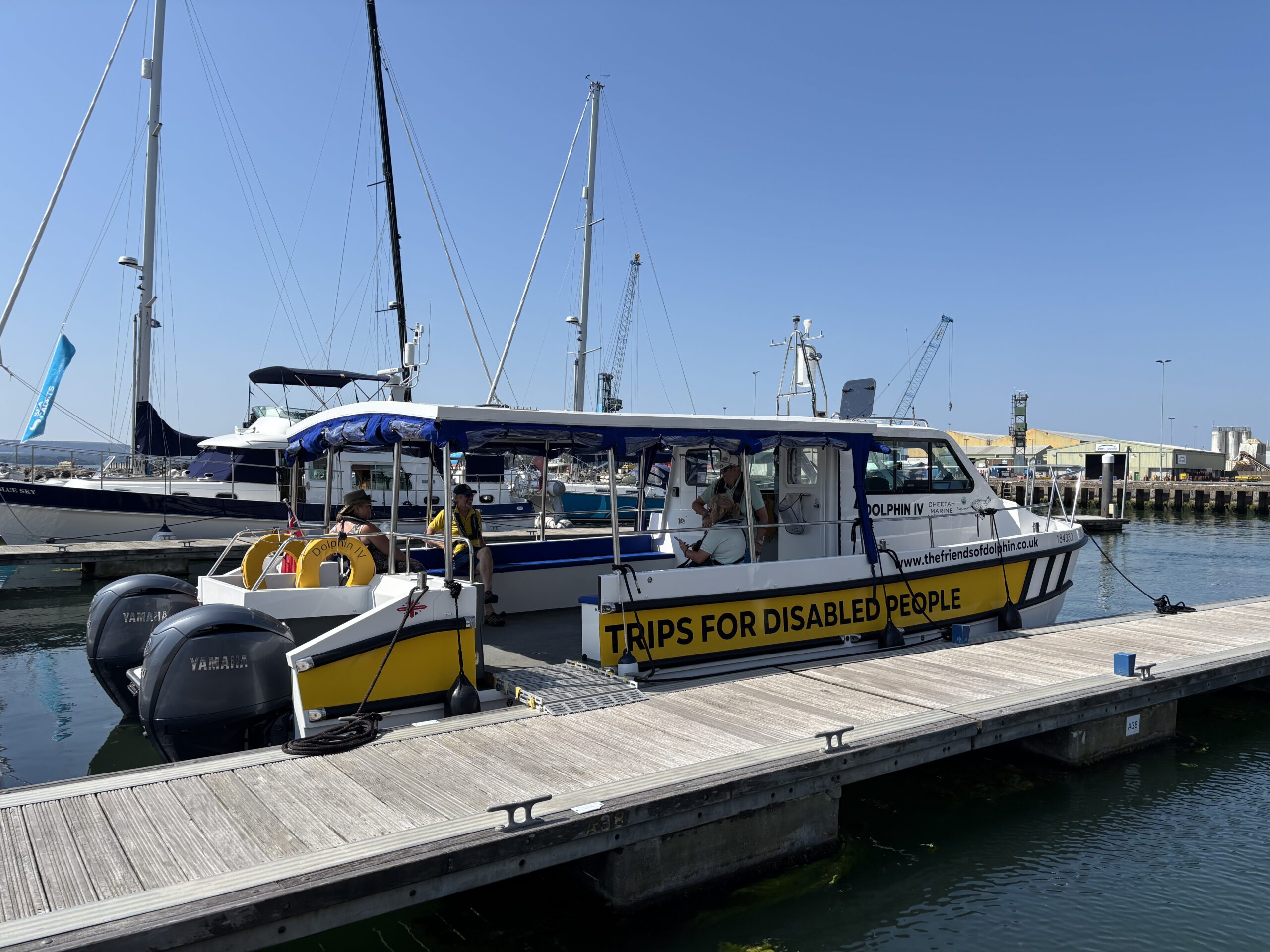
We are really pleased to announce a project to run fully accessible birdwatching boat trips for disabled people in Poole Harbour! We are working with the fantastic charity the Friends of Dolphin who have been running accessible boat trips for over 40 years.Accessibility to nature is something that we’re really keen on at Birds of Poole Harbour, believing that everyone should have the opportunity to see and learn about the special birds and nature recovery projects that are happening in our local area. That’s why we run free events throughout the year, have multiple webcams running for people to see nature from their own homes, conducted the Osprey project to bring back a charismatic bird of prey to our landscape for people to enjoy and are now running fully accessible birdwatching boat trips.

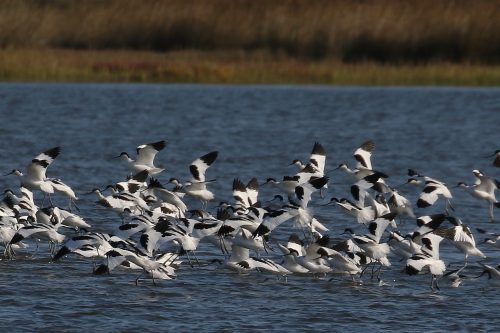
Our first trip will run on 7th October 2026 1:30-4:30pm and we will look to run more dates in the future so keep an eye on our website and newsletter. These cruises will capitalise on the Dolphin IV’s capabilities and expert skippers to run trips on a low tide to have an eye-level view of the thousands of wetland birds that visit Poole Harbour. We’ll navigate the shallow areas of the harbour to hopefully see species like Avocet, Spoonbill, Black-tailed Godwit and birds of prey too like Marsh Harrier and White-tailed Eagle.

We’ll have binoculars on board for everyone to borrow and our BoPH guides to provide spotting and information on all the birds we see and conservation projects in the harbour.

The Dolphin boat is fully accessible allowing people with disabilities including wheelchair users to board safely. There is a wheelchair accessible toilet on board too.

Profits from these trips will go towards supporting the excellent work of the Friends of Dolphin charity and BoPH. You can find out more about the Friends of Dolphin and support their fantastic efforts here.

Limited places for these trips – find out more information and book below. If you would like to support our work as a charity you can also do so here.

Osprey Ringing 2026

Posted on: July 2nd, 2026 by Birds of Poole Harbour

Osprey ringing 2026 update

Can you believe that we’re now into our fifth year of breeding of Ospreys here in Southern Britain! When the project started back in 2017, thoughts of ringing wild hatched Osprey chicks seemed so far away, and it was! With breeding not occurring until 2022, we had to wait five years before that opportunity became a reality, but here we are in 2026 with not just one, but two nests to visit each summer to ring the Osprey chicks.

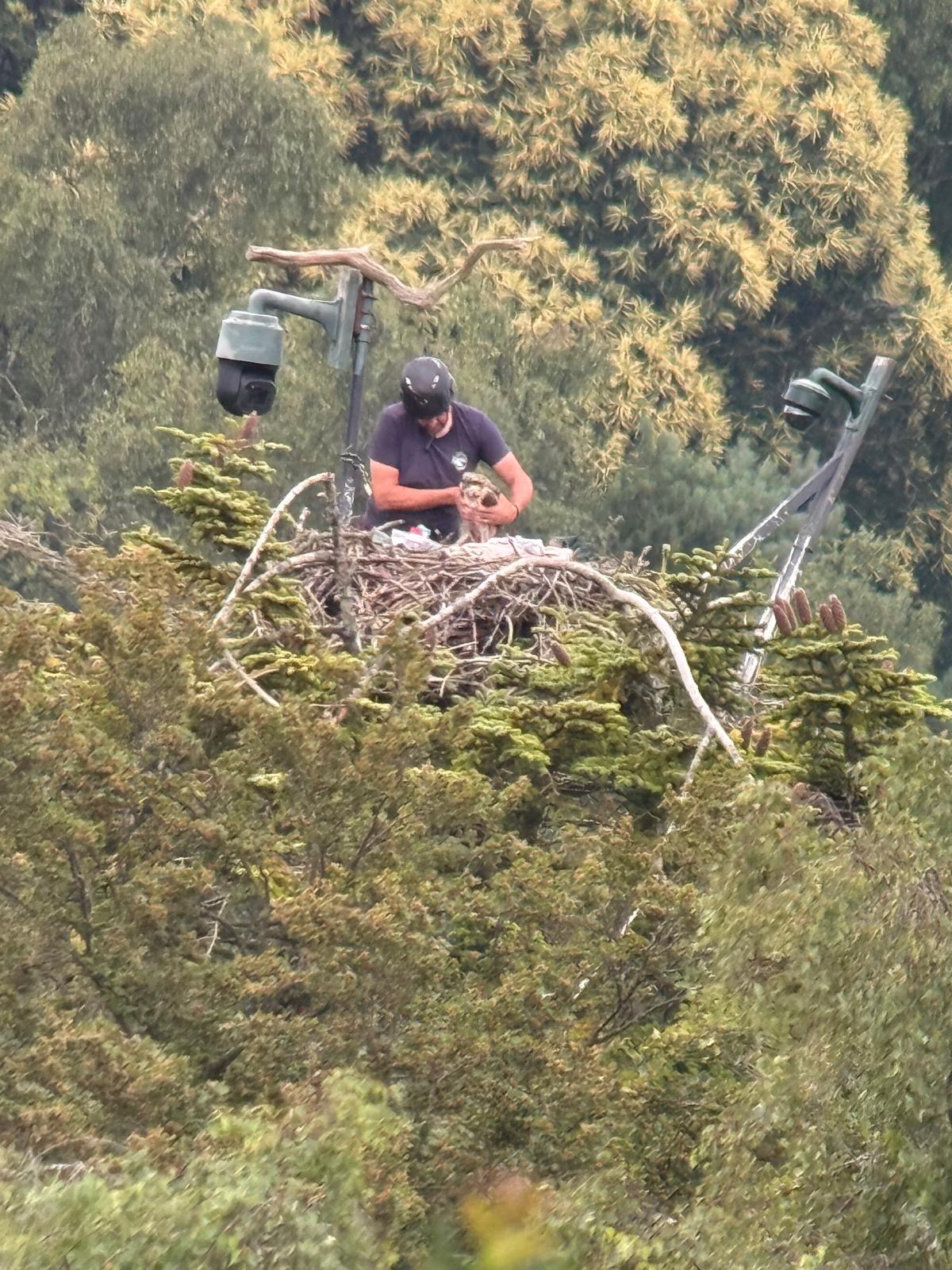
Carey Ospreys being ringed at the nest

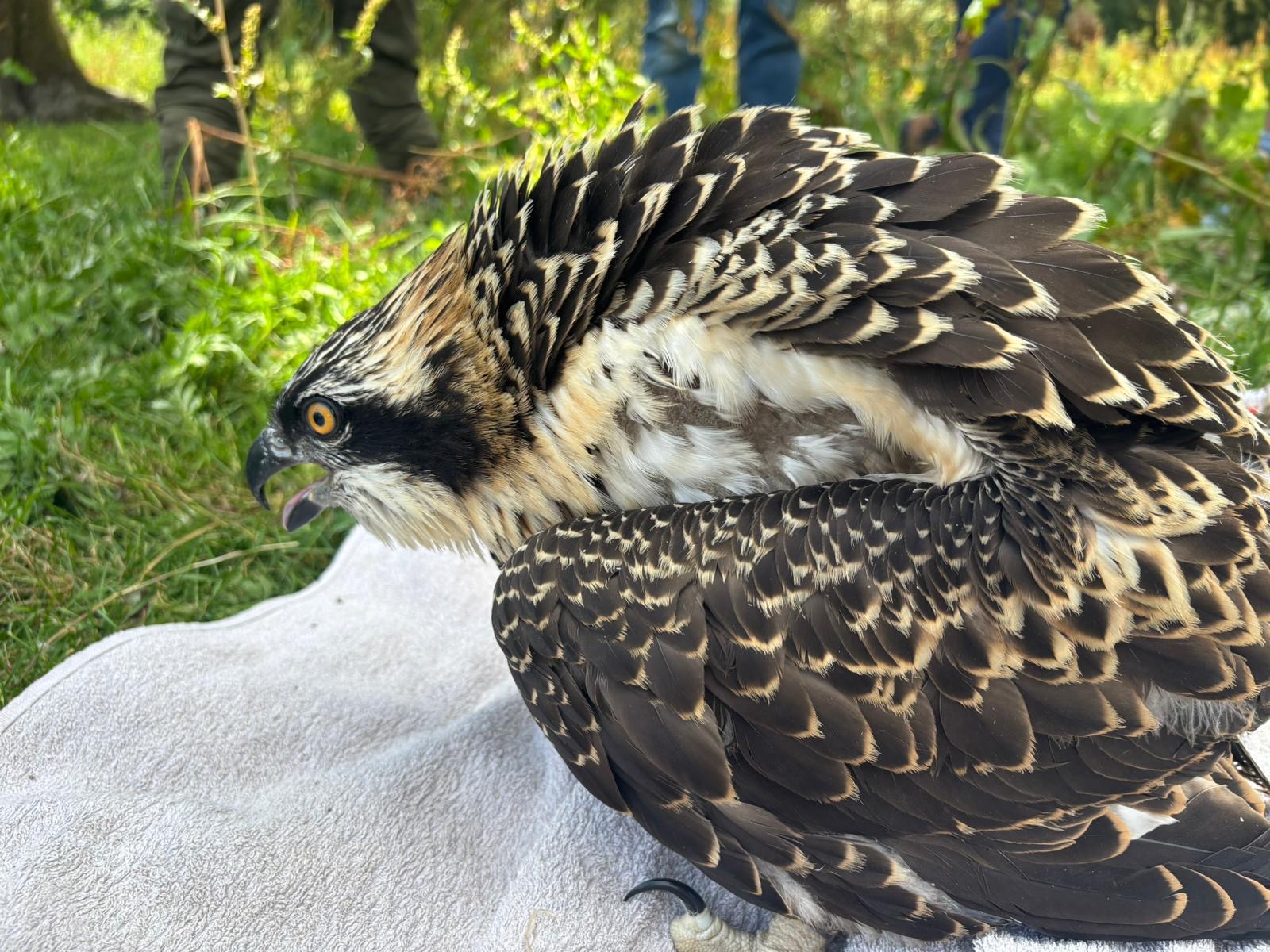
Yesterday (July 1st 2026) we went and ringed both nests on the same day as all chicks were of ringable size, so we thought we may as well get it all done in one day. The day started early with the ringing of the four chicks of male 022 and female CJ7 at Carey Secret Garden which is always a privilege but also a challenge due to the size of the 30m+ tree. In 2022 we lowered the chicks to the ground to be ringed, but have since opted to ring the chicks in the nest as it reduces any risk whilst lowering them. Ringing the chicks in the nest also presents a slight challenge due to the fact that four large chicks often take up much of the space, with ringing and measuring space being rather limited. We had an extra dilemma this year too due to the fact that the recent storms had seen our webcam microphone break, meaning we had to order new parts to fix it, which we couldn’t do until we went to ring the chicks. Ideally we would have ringed the chicks on either June 28th, 29th or 30th, but the new microphone parts didn’t arrive until late Tuesday, meaning we had to wait 2-3 days longer than normal, and 2-3 days growth in Osprey terms is a lot. On the whole they were mostly well behaved, despite some nipping, and angered wing flapping and for the safety of the birds (and the ringer!) quickly each of the chicks were ringed, measured and weighed, albeit with the blue darvics being put on the wrong way round….doh! So for this year the ring numbers and sexes are…….

Carey Osprey Nest

6T6 – Presumed female

6T7 – Presumed female

6T8 – Presumed female

6T9 – Presumed female

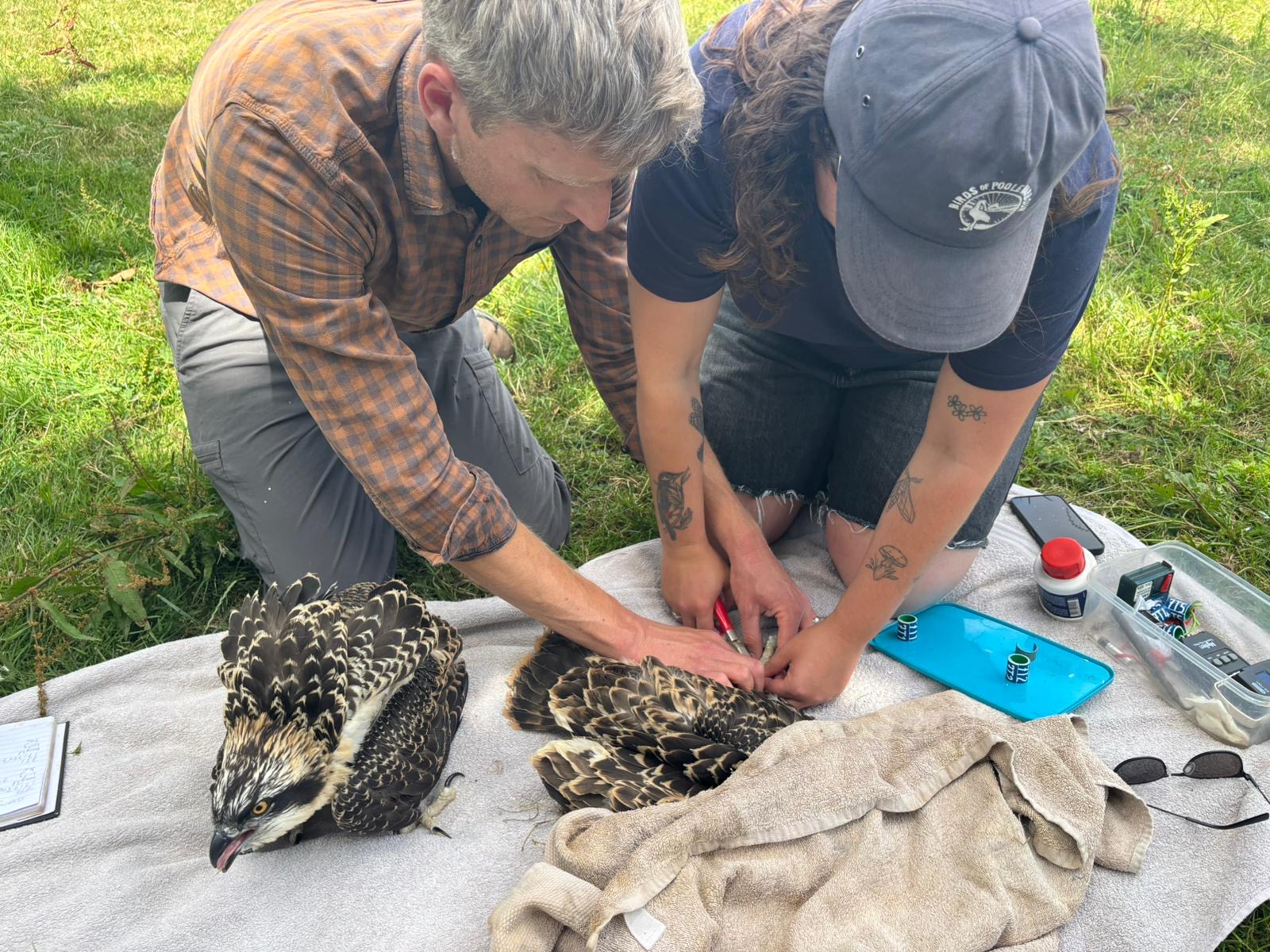
After ringing the Carey nest we made our way to the ‘Nest 2’ site, where our male 374 and his mate, Rutland 1H1 are now in their second year of breeding. Last year they produced two young, and we’re thrilled to announce that this year they have three healthy chicks in the nest. This is a great result and means that (hopefully) by the end of this summer, SEVEN new Ospreys will have fledged from ‘South Coast’ pairs this summer, making that a combined total of TWENTY TWO since they established in 2022.

Nest 2

7T0 – Presumed male

7T1 – Presumed male

7T2 – Un-sexed but possibly male

It’s also important to remember that it’s not just our south coast Ospreys that are producing young which are contributing to the wider population recovery across the UK. There are also several females that have originated from Poole Harbour which have gone on to nest elsewhere with Poole females 014, 019 and 372 all breeding at sites across Wales, and our first ever chick to fledge from Carey, female 5H1, who is now an established breeder herself close to the Rutland population and is now in her second year of nesting.

So, as we enter the latter part of the nesting season and we wish our chicks a safe fledging process (and eventually) a safe southward migration, thoughts of next year already come to mind and with three new males of ours desperate to breed locally (it seems), will our ringing efforts return double digits next year? Who knows, but one thing we do know is that Ospreys are fast becoming a favourite and permanent fixture to our already stunning south coast landscape.

Nest 2 chicks being ringed


Limited Edition Bruce Pearson Carey Osprey Prints Available Now

Posted on: June 16th, 2026 by Birds of Poole Harbour


Available now


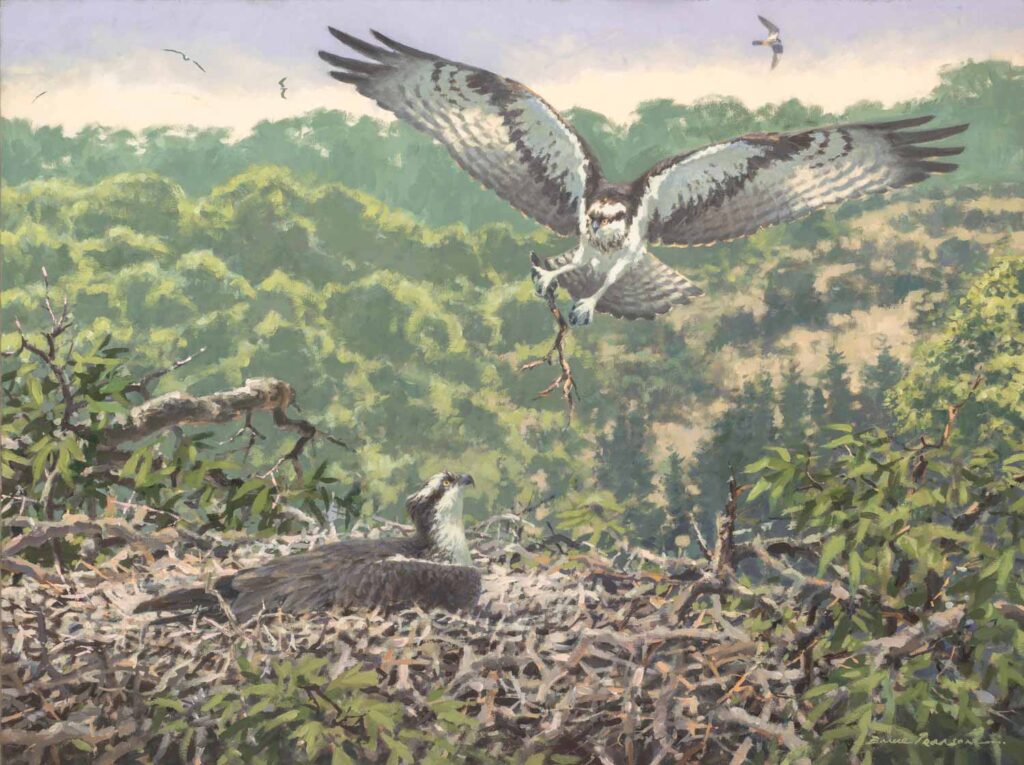
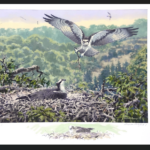
A limited number of these stunning prints have been created by artist Bruce Pearson, showcasing the Carey Ospreys. These have been created for the fifth successful year of nesting for the Carey Ospreys, the first breeding pair of Ospreys on the south coast of England in over 180 years. The artwork celebrates both the breath-taking beauty of the site and an extraordinary Dorset conservation success story.

Profits from every print sold will directly support the charity Birds of Poole Harbour, helping fund our ongoing conservation work, community projects, and public events.

Strictly limited to just 125 editions, each print has been individually remarqued by the artist, making every piece unique. The collection will be released in batches, with more to come soon. The first batch arrived from early June, with further batches arriving from Bruce in stages.

Find out the full details of the limited-edition and remarqued prints below.

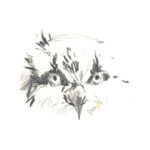
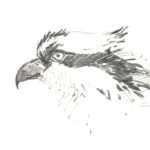
A remarque
A remarque is an original pencil drawing or small watercolour sketch added to the lower border of a print, usually between the edition number and artist signature.
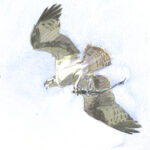
Each remarque for this edition of 125 prints for Birds of Poole Harbour is different, each taken from many hundreds of field sketches.


The Print
Print image size: 450mm x 594mm
Window mount: 555mm x 625mm (remarque average 80mm x 360mm)
The prints are Giclée prints – a high-quality, archival-grade digital reproduction method which uses specialised inkjet technology offering superior detail, longevity and quality. Each ‘Giclee’ osprey print is on high quality fine art printing paper and is sold in a display mount with a protective covering ready for framing.

The painting from which the print is taken was finished earlier this year and is based on many field sketches from the viewing platform at Careys Secret Garden nest site showing the arrival of the male bird carrying nest material. The painting is not meant to show a precise moment in the lives of specific birds at a well-known site but rather show a more general sense of place and intimate behaviour in the lives of a pair of breeding ospreys in southern Britain. The remarques are from the same sketches completed at the Careys Secret Garden nest site over the past couple of years. But Bruce has also sketched ospreys many times in different locations over the years, both during European summers as well as where they spend the winter in West Africa and some of those ideas have been used in the remarques as well.

The Artist
Bruce Pearson has worked professionally as an artist for over 50 years sketching and painting, filming and writing about wildlife and landscapes. From Antarctica and high Arctic of Greenland and Svalbard to North and South America and many parts of Africa. He has contributed paintings to group exhibitions and undertaken a range of solo commercial gallery shows in the UK and overseas. He has also completed private commissions from individuals, museums and institutions, and has authored and illustrated a range of books. It is the rhythm and restlessness of nature which fascinates which he works to capture in the field. Back in the studio he develops the sketches and ideas into more considered paintings and prints.
www.brucepearson.net

Live Swift Nest Box Webcam Launch and Swift Project Update!

Posted on: May 18th, 2026 by Birds of Poole Harbour
We are delighted to launch a brand new LIVE webcam in a Swift box in the Poole Harbour area! Thank you to FPCR for the support in making this happen.

Thank you to everyone who took the time to apply for a free swift box. We had over 160 applications from across Dorset and were able to deliver 46 boxes and callers in priority areas. Alongside that we have been distributing over 50 boxes to Swift groups as part of the Dorset Swift Network. Fingers crossed we’ll see these boxes being used in the next couple of years! Please note that the applications are now closed.
If you are instead interested in purchasing your own swift box, we highly recommend those made by John Stimpson, and further details on these (or alternative models) can be found on the Swift Conservation website here. Action for Swifts also offer boxes of different models and Swift bricks. If there are no other swifts nesting nearby, we recommend purchasing a swift caller and playing it for at least an hour at dawn and an hour at dusk, daily throughout May-July. We recommend purchasing callers, which play Swift calls to attract individuals looking for a suitable nest site, from suppliers like Graham Fell which can be found here.
With Swifts facing a decline of around two thirds in the last three decades in the UK, it is important to understand the reasons why this has happened and ways in which we can help bolster local populations. Alongside providing nesting habitat by installing boxes, another key step is to improve their feeding habitat to ensure they have sufficient invertebrate prey.
It is well known that there has been a significant decline in insects in the UK and wider landscape scale restoration, reduction in the widespread use of pesticides, and wildlife-friendly farming is required to reverse this. Although Swifts forage over great distances, making changes in your own garden, such as planting wildlife-friendly species, letting parts of your garden grow wild, installing a pond, and avoiding using any pesticides can help.
Gathering data on how local populations are doing is vital for understanding these changes in-depth. We recommend logging your sightings, location of boxes, and if nests are occupied using the Swiftmapper tool.

Young conservationists study first wild White-tailed Eagle to fledge in Dorset for nearly 300 years

Posted on: January 21st, 2026 by Birds of Poole Harbour

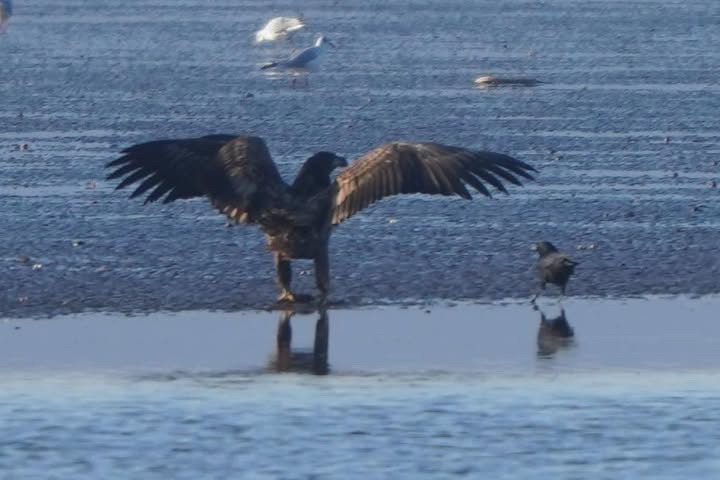
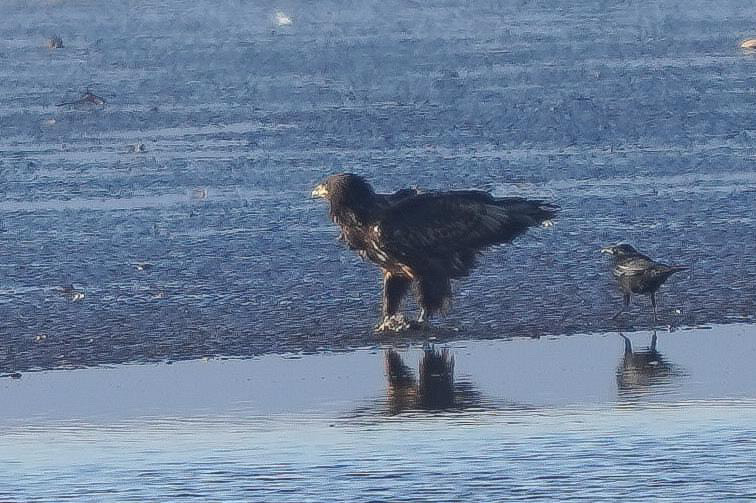
A group of 30 young conservationists recently had an unforgettable experience when they got to study the first wild fledged White-tailed Eagle to be born in Dorset in nearly 240 years. The encounter occurred in mid-January during an organised boat trip in Poole Harbour for children aged between 13-18, which was being hosted by Dorset based charity Birds of Poole Harbour as part of their ‘Young Birders’ club, a project that aims to inspire and educate teenagers on the importance of nature recovery.

The young eagle known as ‘G834’ is the first White-tailed Eagle to fledge from a wild nest in Dorset since the 1700’s and is a direct result of the popular reintroduction program that’s currently being carried out from the Isle of Wight by Forestry England and the Roy Dennis Wildlife Foundation. During the boat trip, the group of budding young conservationists got to observe and study G834 eating a flatfish on the mudflats in a quiet corner of Poole Harbour. Fish are the favoured prey item of the eagles, but this was the first time the youngster had been observed behaving in this way, which is a very encouraging sign of its development. For most of the guests on board this was the first time they’d ever seen a White-tailed Eagle. These majestic birds were once widespread in southern England but became extinct in England in 1780 due to relentless persecution. The project based on the Isle of Wight aims to restore a breeding population to England, and the signs are already very good, with two pairs nesting successfully in southern England in 2025.

Birds of Poole Harbour Project organiser Sam Ryde said:

“This was such an important and historical moment. To be able to show a group of young conservationists a wild born White-tailed Eagle right here in Dorset is beyond special. Not only that, to be able to explain to them how these projects work, why it’s important and actually show them the outcome is what it’s all about. These reintroduction projects change the baseline for what’s considered ‘normal’ in these landscapes. For many people here in Dorset and Poole Harbour White-tailed Eagles are a new-comer due to the fate they suffered all those years ago. However, kids will now grow up in Dorset with White-tailed Eagles having always been a part of their local heritage, which they’ll want to continue to protect and conserve”

White-tailed Eagles are the largest bird of prey species in the UK with a wingspan of up to 2.5m and their diet consists mostly of fish, waterbirds, carrion and small mammals. The parents of G834 were released from the Isle of Wight in 2020 as part of the licenced reintroduction and spent the first few years of their lives exploring the UK, with the male, known as ‘G463’ even venturing as far as Sweden in the third year of his life. The adult pair formed in spring 2023 and spent the rest of that year and the whole of 2024 establishing their territory in Dorset, before successfully breeding in the summer of 2025. The young eagle fledged from the Dorset nest in August of 2025 but promptly disappeared off out of county for the rest of the year and wasn’t seen again until his return in early January. All of the eagles are fitted with small satellite trackers so the project team know exactly where they are at all times, meaning they could monitor the young eagles’ progress as he moved around southern England. The observation of G834 from the Birds of Poole Harbour Young Birders boat trip was the first time he’d been seen back in the harbour since fledging in August last year, making the whole experience even more important, exciting and historical.

Young conservationist and guest on board the memorable trip Joe Scorey explained:

“It had been a busy first hour on the boat trip with bustling mud flats of Avocet, Dunlin and Black-tailed Godwits. We had been enthralled with hundreds of birds zipping past the boat. When all of a sudden a shout from the back of the boat broke the cold winter air, “White tailed Eagle!!!!” A mad dash to find a viewing point broke out, binoculars scrambling to find the bird then all of a sudden a hush spread around the boat all captivated by the sheer size of the bird”

Young White-tailed Eagle G834 seen from Young Birders Boat Trip – Joe Scorey

Another young conservationist on board Harry Bridle added:

“To see eagles in the wild after an absence from the region for a few hundred years and seeing them successfully thriving shows that reintroductions are great and should be encouraged more and more. To see such an impressive bird is really amazing and I think these projects can really spark an interest in the younger community. I am also really keen to see other projects develop such as the idea of bringing Chough back to the Dorset coast”

Young White-tailed Eagle G834 seen from Young Birders Boat Trip – Joe Scorey

Tim Mackrill from the Roy Dennis Wildlife Foundation concluded:

“It is really encouraging that the eagles are fitting into the landscape in southern England so well, and that members of the public get such a thrill from seeing them. It is wonderful that Birds of Poole Harbour are providing an opportunity for people of all ages to see the eagles from their brilliant boat trips, and particularly heartening that young people are growing up with a chance of seeing a White-tailed Eagle on their doorstep, like those lucky enough to be on board this particular trip were able to do. We hope that seeing these majestic birds back in southern England demonstrates to people that it is possible to restore nature and lost species.”

Job Advert: Part-time Engagement Assistant

Posted on: January 2nd, 2026 by Birds of Poole Harbour

Job Advert: Birds of Poole Harbour Engagement Assistant

Birds of Poole Harbour is a Dorset-based charity with a local community focus, committed to conserving and interpreting the important birdlife in the Poole Harbour area. We deliver a range of exciting events and projects. We are looking for an enthusiastic Engagement Assistant to support our team in delivering our public engagement and project work.

Position: Engagement Assistant

Hours: 20 hours per week, with the possibility of extra hours during the high season (April to September). Due to the nature of our events, this role requires regular weekend work (typically 3 weekends per month) and occasional early-morning/evening hours.

Location: Poole and Wareham-based, with travel to events around Poole Harbour

Annual Leave: 28 days inclusive of bank holidays (pro-rata for part-time roles)

Salary: £13,988.52 (FTE £27,976)

Essential Criteria

Desirable Skills and Experience

What you’ll be working on

You’ll be helping our team deliver an ambitious events schedule throughout the year, including our award-winning boat trips, our Carey Osprey Tours (led in partnership with Careys Secret Garden), and our guided walks, ID Courses and Pop-up watches. This role will be well-suited to an enthusiastic ornithologist with excellent communication skills and a strong knowledge of British birds.

You’ll also be involved with our project work and youth engagement programmes, including our School Bird Boat Project and Young Birders Club.

Full training will be provided, and more details on our project work and events can be found here: www.birdsofpooleharbour.co.uk.

To Apply

If you would like to apply, please email our Operations and Finance Assistant, Helen, at helen@birdsofpooleharbour.co.uk with a CV (2 pages maximum) and a PDF with answers to the following questions:

Birds of Poole Harbour is an equal opportunities employer and is happy to provide additional information or accommodations within our hiring practices to support applicants. Please complete our Equal Opportunities form and submit it alongside your application, should you wish to do so.

Interviews commencing W/C 16th February 2026 with the option for online interviews available. Please note that the interview will involve a UK bird species identification test.

Birds of Poole Harbour win GOLD AWARD for second year in a row at Dorset Tourism Awards

Posted on: October 17th, 2025 by Birds of Poole Harbour
Wow! What a year its been! Not only has it been our best ever year in terms of conservation successes with two south coast Osprey nests establishing producing six young, plus another of our males seemingly setting up territory in Poole Harbour this summer, plus our first ever Osprey chick to fledge from Poole now nesting up in the East Midlands, and……the continued growth of our School Bird Boat project, our Young Birders Club and our Swift City Project.
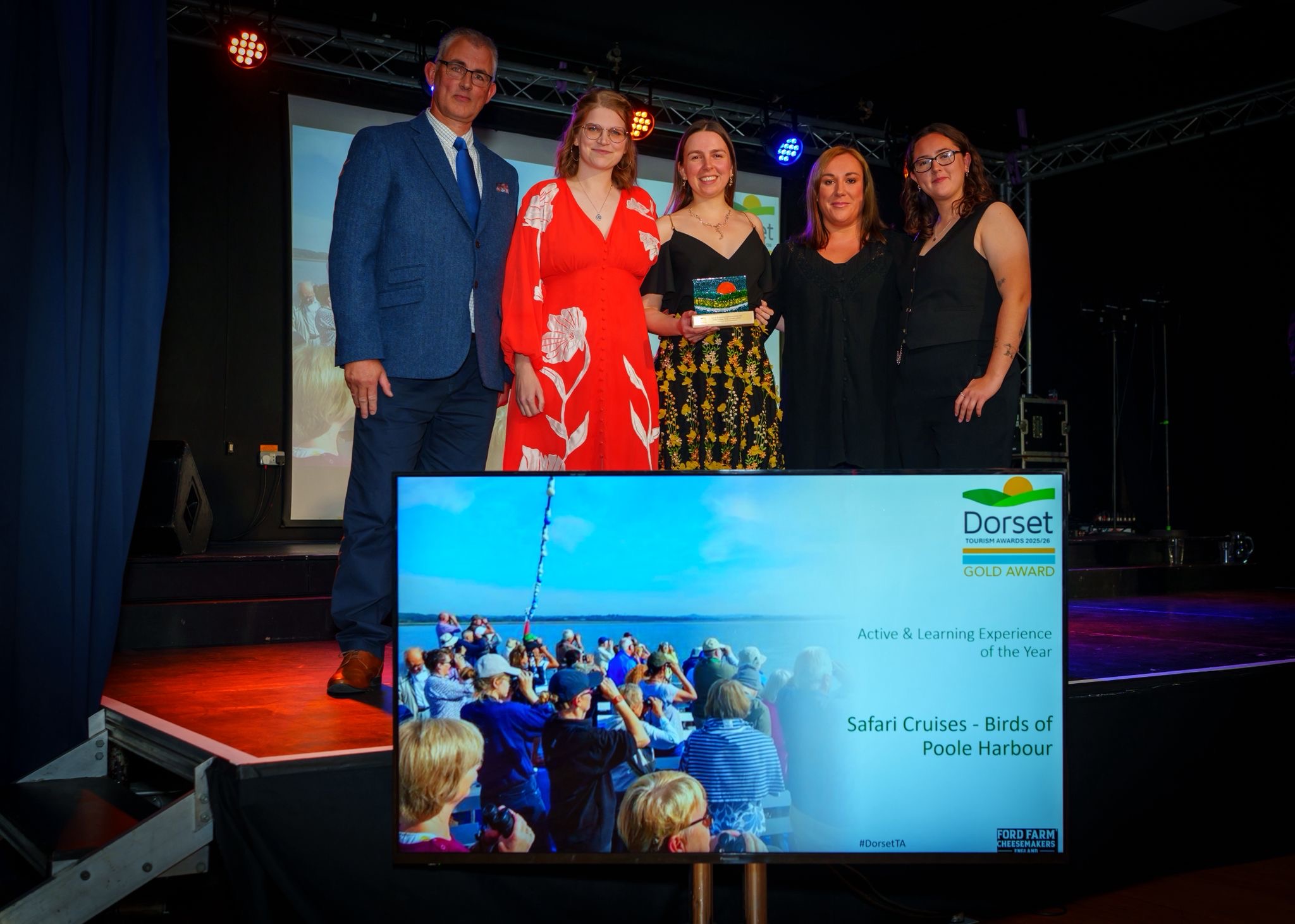
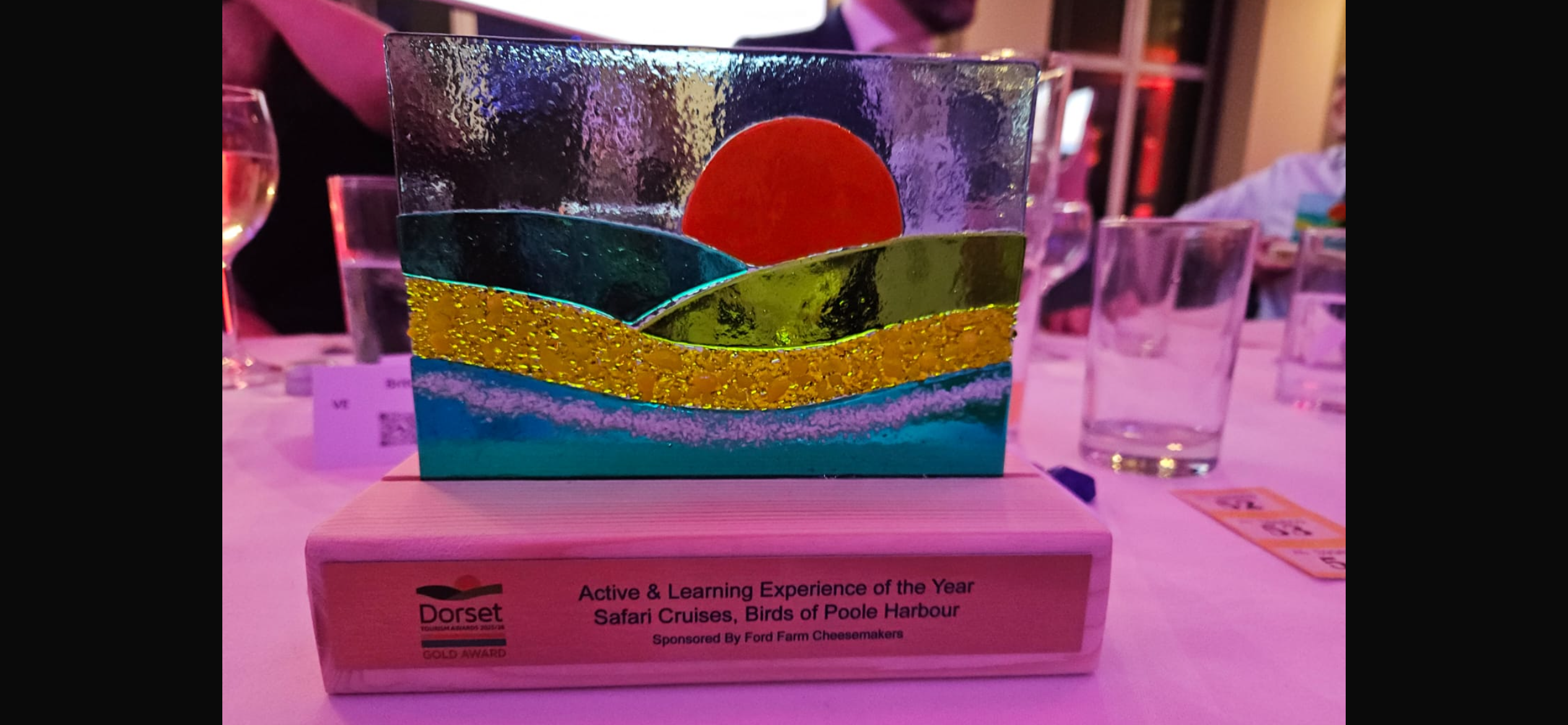
Well, last night thanks to the tireless hard work from our team and support from our volunteers and the kindness of the general public, we won the GOLD AWARD at the Dorset Tourism Award in the new Activity and Learning Experience of the year category for our ‘Safari Cruise’ series of trips that we host during the course of the year. We couldn’t do any of this without Greenslade Pleasure Boats Limited who provide the boats for all of our Safari Cruises, so a huge thank you to them and the incredible skills of all of their skippers.
A massive thanks too to the Dorset Tourism Awards for our award and recognising that Eco-tourism is a growing and important part of Dorsets future and economy.
Our focus of these trips isn’t just to show people birds….we’re not a bird tour operator. Rather we seek to showcase and inspire the public on the many examples of species recovery that we’re lucky enough to experience here in Poole Harbour…..from returning White-tailed Eagles and Ospreys, recovering populations of Avocet, Marsh Harrier and wetland birds to highlighting the landscape scale land recovery being carried out by local conservation NGO’s and landowners.
This award goes out to everyone in the Poole Harbour, Purbeck and South Dorset area who are all working incredibly hard to transform this phenomenal part of Dorset into a thriving, nature rich landscape. There’s still a huge amount of work left to do, and the multiple partnerships that are now established should be able to grow and strengthen, enabling our county to see a continued recovery of many species, and hopefully inspiring other areas of the country to follow suit.
Bring on 2026…..we can’t wait!!

Inspiring the Next Generation: Launch of Our Conservation Careers Talk Project!

Posted on: October 7th, 2025 by Birds of Poole Harbour

We are excited to announce a brand new project to deliver 10 inspiring Conservation Careers Talks to secondary schools, sixth forms, and colleges in the Poole area, free of charge. They will be delivered from November to March.

The talks will explore how young people can be involved with nature’s recovery in Dorset, the variety of roles available, and include advice on how to gain experience in the conservation field. With so many exciting projects happening in southern England, now is a fantastic time to get involved. We’ll discuss what opportunities are available locally, including grants, volunteering, and our very own Young Birders Club. There will also be time to ask plenty of questions, with a Q&A at the end.

We hope to inspire and encourage the next generation to pursue a career in conservation whilst raising awareness that working with nature is for everyone, no matter your background.

If you’re interested in a conservation careers talk for your school, please email schools@birdsofpooleharbour.co.uk

This project is kindly funded by the Cameron Bespolka Trust, who also support our free Young Birders Club for 13-18 year olds.


Record number of wild White-tailed Eagle chicks hatched in England this year with first chick to fledge in Dorset for over 240 years.

Posted on: August 11th, 2025 by Birds of Poole Harbour

Our friends at the Roy Dennis Wildlife foundation and Forestry England have an exciting update for you all:

PRESS RELEASE

A record THREE White-tailed Eagle chicks have successfully fledged from TWO wild nests in England. The chicks were reared by White-tailed Eagles that were released as part of the ground breaking conservation project by Forestry England and the Roy Dennis Wildlife Foundation to return this lost species to England.

Two different pairs of White-tailed Eagles successfully bred this year. This included the first chick in Dorset for over 240 years, and two chicks raised in a nest in Sussex.

A single male chick (G834) fledged from a nest in Dorset. The parent birds – G463 (male) and G466 (female) released in 2020 – settled in the county and paired up in 2023. This is their first successful breeding attempt and made more remarkable by the fact that the male adult bird has only one leg after it lost this four years ago.

Two chicks, both females (G841 and G842), fledged this year from a nest in Sussex. Both are the offspring of two white-tailed eagles released by the project in 2020. The parent birds – G405 and G471 – were the same pairing that bred in 2023 and 2024.

This year’s successful breeding brings the number of these iconic birds born in the wild through the project to six. In 2023 a single chick was born, the first in England since the eighteenth century when the species was lost due to persecution. A further two chicks were born in the summer of 2024.

All of the chicks are fitted with satellite tags so that the project team can track their progress. Over the last year they have used satellite data to follow the fledglings as they have explored widely across the UK.

White-tailed Eagles typically reach breeding maturity at around four or five years old. From the birds released by the project, three pairs have formed and established territories in southern England. Several of the younger birds are also present in potential future breeding areas typically close to freshwater wetlands or the coast, where the birds can catch fish, which is their preferred food. In time, it is hoped that a population of 6-10 breeding pairs will become established within 60 kilometres of the release site on the Isle of Wight.

Roy Dennis OBE, Founder of the Roy Dennis Wildlife Foundation, said:

“We are delighted to see another year of successful breeding and that two pairs have now reached this key stage. This is a long-term project, and it will take some years before the population is fully restored but the progress made over the last year has been incredibly encouraging. We have some well-established pairs and two that are actively breeding. We hope to build on this progress, and I’m really pleased that we have been able to release an additional 8 birds this year to further boost the population.”

“I always find it particularly rewarding to see so much support for these magnificent birds and the positive impact they are having on so many people’s relationship with the natural world.”

Steve Egerton-Read, White-Tailed Eagle Project Officer for Forestry England, said:

“We have been patiently monitoring these nests for many months and hoping they would be successful. It is always such an exciting time but also incredibly nerve wracking! This was especially the case for the pair of eagles in Dorset who were first time parents. It was an incredible moment when we caught our first glimpse of that tiny fluffy chick in the nest, but equally, it is anxious time as the parents get to grips with what they need to do. Ultimately, it has been so rewarding to see this pair of eagles, often spotted in and around Dorset, care for the chick all the way through to it fledging the nest. Now it won’t be long until he is starting his own journey and hopefully one day, he will breed somewhere in southern England.

“Returning lost species like the White-tailed Eagle is a key part of Forestry England’s approach to restoring biodiversity and helping nature to recover. We hope that in years to come these iconic birds will become a much more common sight, inspiring future generations and deepening their connection with nature.”

White-tailed Eagles are Britain’s largest birds of prey with a wingspan of up to 2.5 metres and were once widespread across England. Human persecution caused their extinction, with the last pair breeding in southern England in 1780. In 2019, Forestry England and the Roy Dennis Wildlife Foundation began reintroducing these iconic birds to the English landscape.

To date, 45 young White-tailed Eagles have been released. This includes eight birds released this summer from the team’s base on the Isle of Wight.

The reintroduction of White-tailed Eagles is conducted under licence from Natural England, the Government’s wildlife licensing authority. Birds for release are collected from wild nests in Scotland under licence from NatureScot before being transported to England with valuable support from Civil Air Support. The birds are subsequently reared and released on the Isle of Wight, all birds released by the project are fitted with satellite tags.

White-tailed Eagles are a protected species under the Wildlife and Countryside Act (1981). Disturbing, destroying or interfering with them and their nests are criminal offences. The specific locations of this year’s nests are not being disclosed for the welfare of the birds and to prevent any disturbance to them or the landowner this year or if the birds return to breed at the same location.

ENDS

This is of course brilliant news and such a huge milestone for the project. Over the last 5-years the White-tailed Eagles from the reintroduction program have given many thousands of people a fantastic set of nature experiences across the Dorset landscape and from our series of boat trips during the year. Therefore it’s incredibly important not to discuss, suggest, speculate or rumour where nest sites may be online or on social media as it’s irrelevant to the success. Whats important is the fact they’ve found somewhere safe and secure to breed and all being well will do so for years to come.

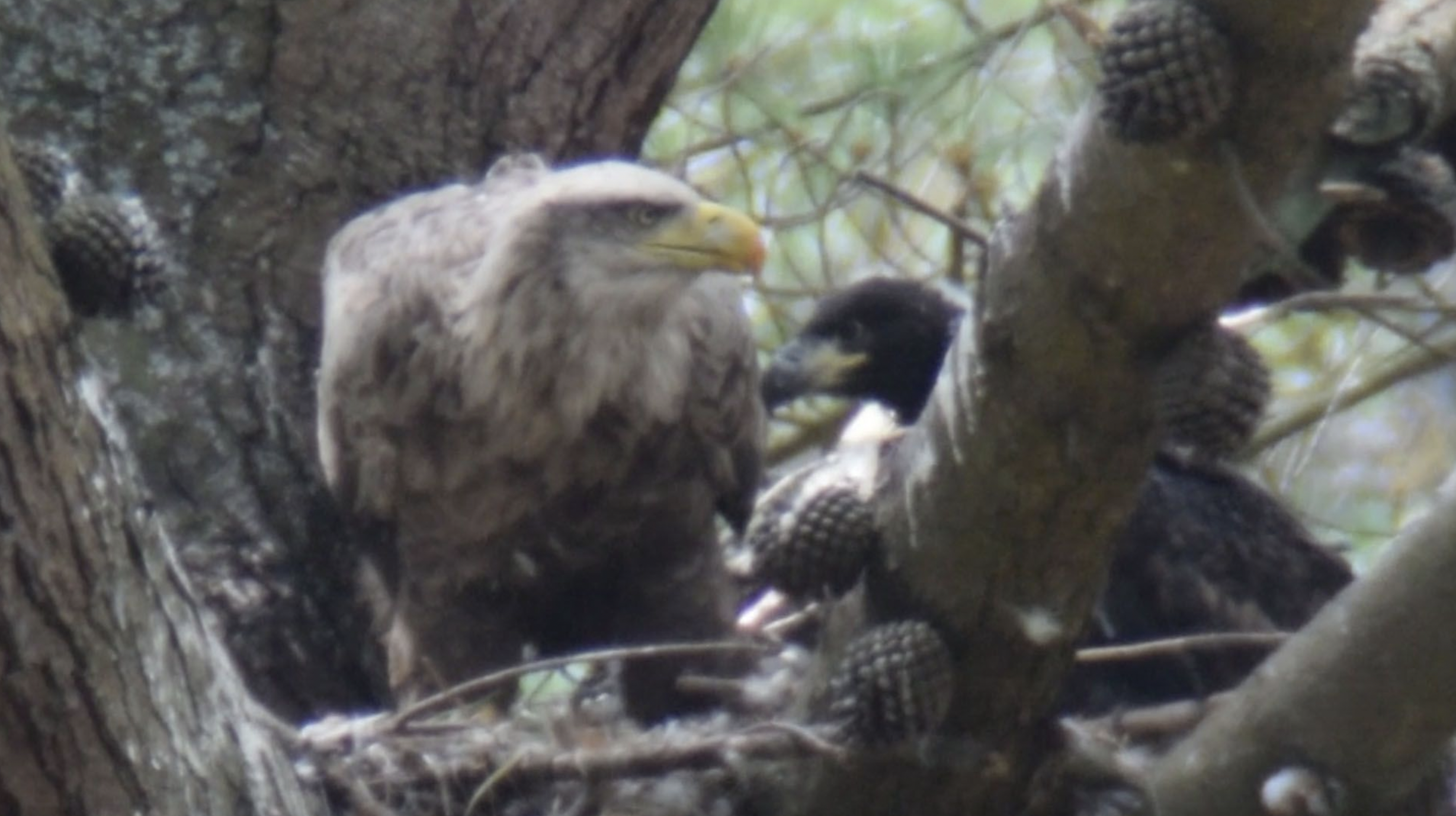
Adult White-tailed Eagle G466 feeding chick at Dorset nest – Forestry England


Call 01202 641 003