Poole Harbour sightings blog

A record of all interesting and notable sightings from around the harbour throughout the year.

Latest Sightings

Harbour Update – 15/07/26

Posted on: July 15th, 2026 by Birds of Poole Harbour

At the time of writing there was no second fledge from the Poole Osprey nest today, but yesterdays fledgling ‘6T6’ was very active doing several decent fly arounds, settling on the camera perch after each short exploration. We’ve also been keeping eye on the bird news channels as there was a Caspian Tern in east Devon last week which we hoped may venture this way. Well today it did, but not quite as far as Poole Harbour, rather Abbotsbury Swannery, but that could bode well for a Brownsea Lagoon stop off over the next couple of days, so if you’re visiting, then make sure you scan through all the terns out on the various sand bars of the lagoon. The wind also eased enough this morning for a short ringing session to take place at the Lower Piddle Valley ringing station with an amazing 13 Grasshopper Warblers ringed, plus the first passage juvenile Willow Warblers with 3 ringed, also 14 Sedge Warbler including a French ringed individual, 16 Reed Warbler and a Garden Warbler. At Scotland Farm, Hartland there was a single Cuckoo, 4 Crossbill over and 3 Woodlark.


Juvenile Willow Warbler – Lower Piddle Valley – Ed Betteridge

Adult French ringed Sedge Warbler – Lower Piddle Valley – Ed Betteridge


Harbour Update – 14/07/26

Posted on: July 14th, 2026 by Birds of Poole Harbour

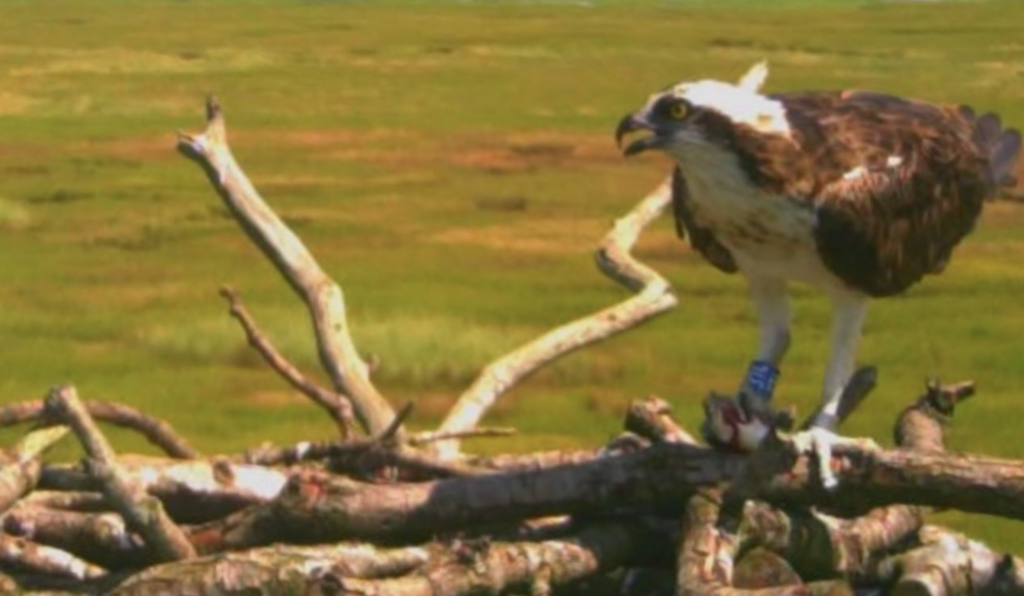
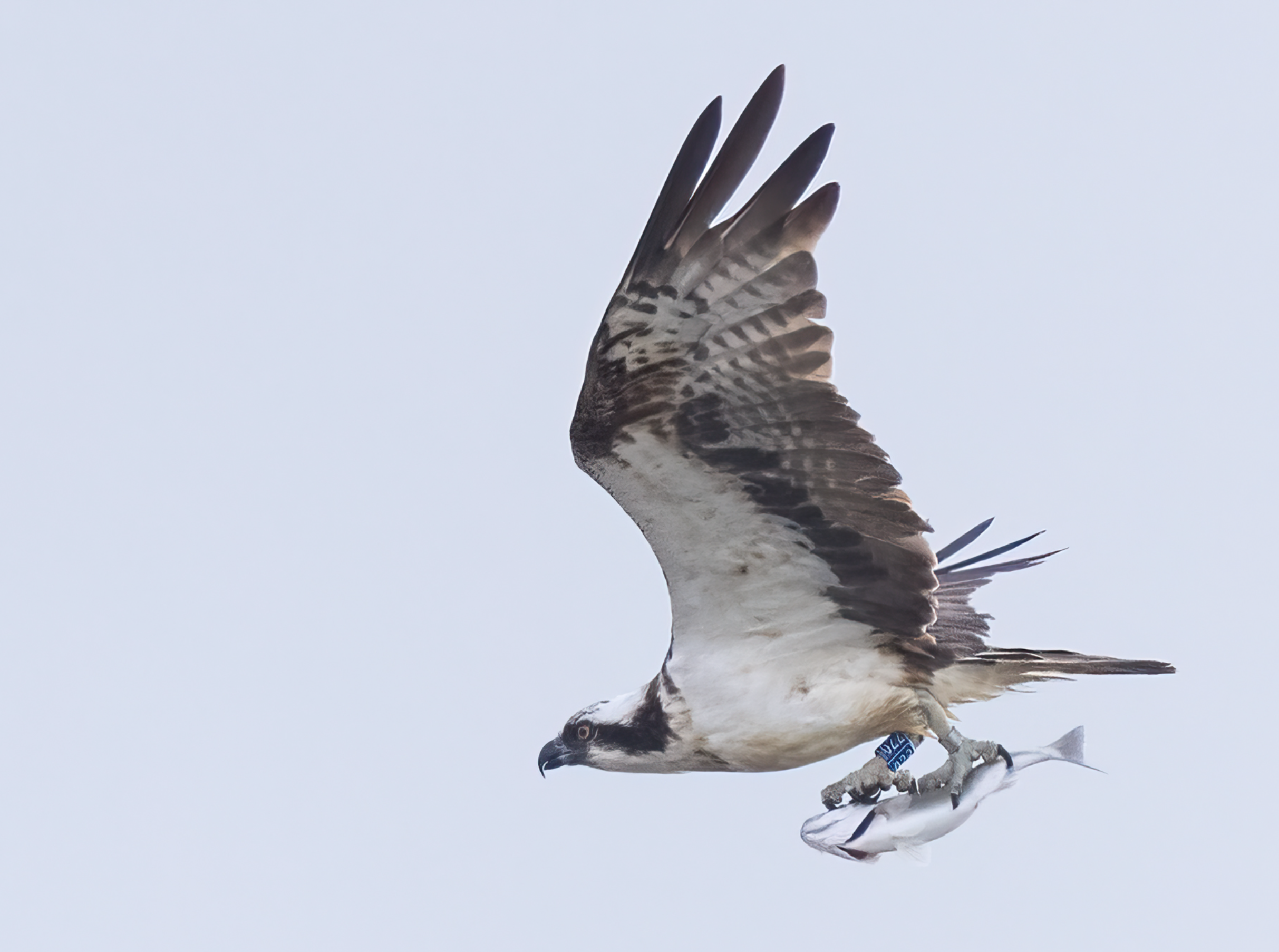
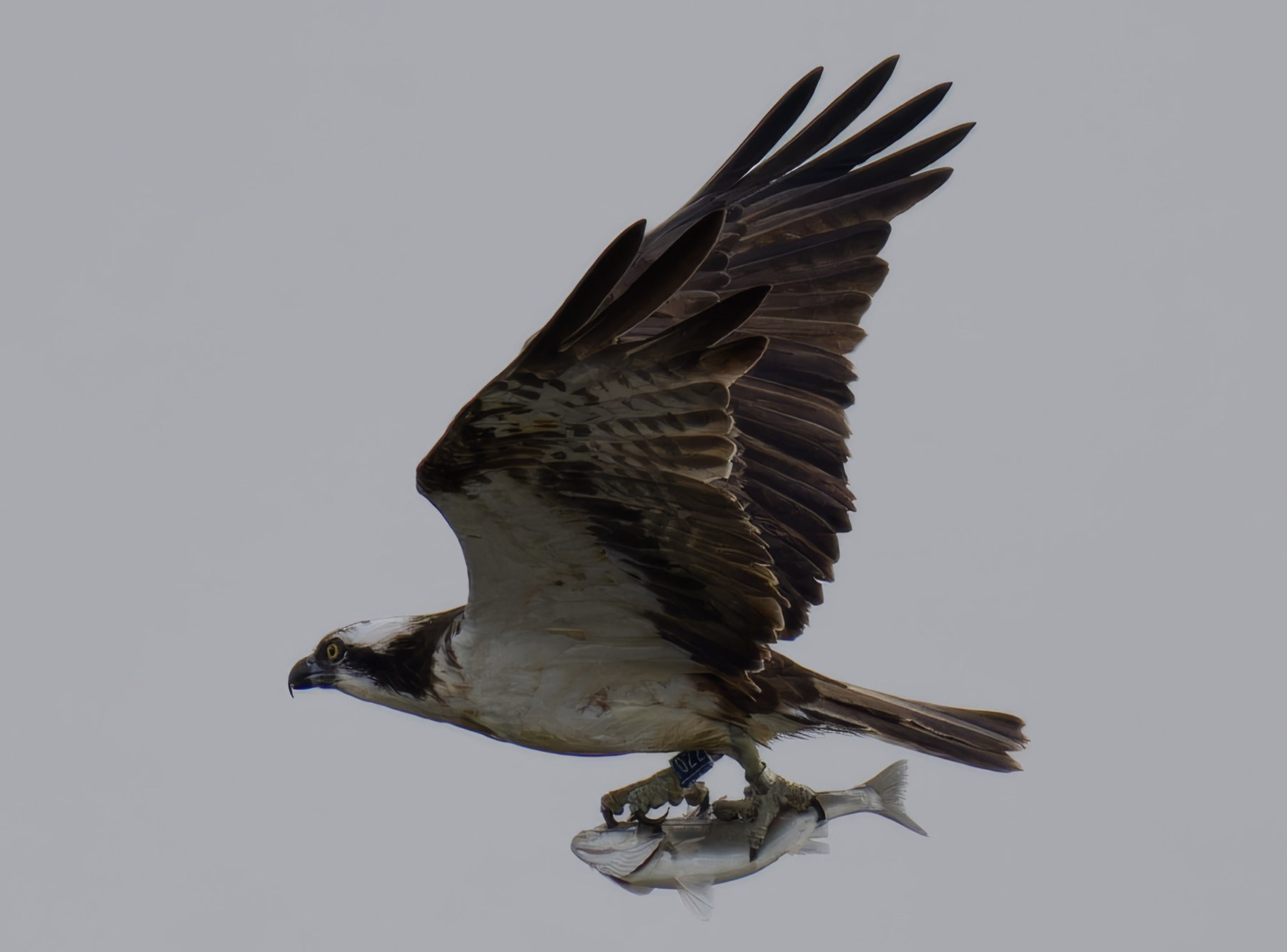
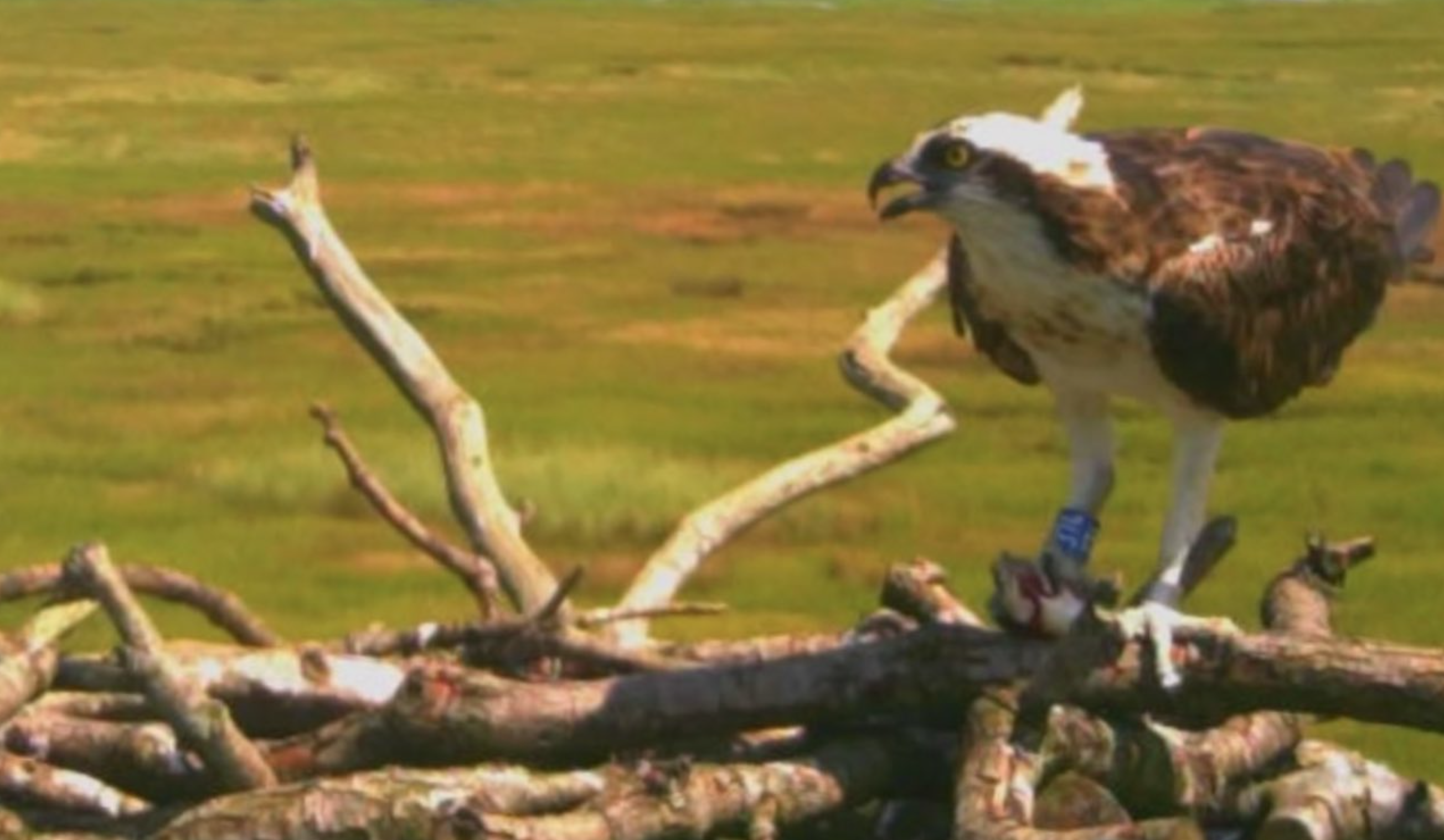
Not much change in the weather but a newly arrived Common Quail was heard on Wareham Common this morning, which fits with the current large arrival thats going on in the UK currently. Sadly it didn’t sing for too long and wasn’t heard again for the rest of the day, but there’s a good chance it, or another will be heard in the same (or similar) areas in the coming weeks. There was some good Osprey news in as much that we saw our first 2026 chick fledge today, at 16:01, chick 6T6 took to the air and did several circuits of the area before landing on the camera perch for several hours. At the time of ringing we thought that perhaps 6T6 was a female, but based on the fledge date and the size and structure, it’s looking more likely to be male. Over the next week the other three will also make their first flights, but won’t venture far and will stay close to the nest until late July/early August. Away from the nest site, there were other Osprey shenanigans going on with 3 bombing around Middlebere this afternoon, one of which was local male 022, acting hyper territorial (like he does), and a new un-ringed female was seen to land on one of our harbour nest platforms, with a ‘mystery male’ in tow, although we’re unsure who that was. Elsewhere male White-tailed Eagle G463 was in the Wareham Channel this morning, the Wareham Channel Marsh Harrier juv’s were active, flying around near Swineham anda freashly fledged juvenile Red Kite passed over central harbour….who knows where this had come from? The Brownsea Lagoon held 200+  Common Tern, c100+ Sandwich Tern, 7 Spoonbill, 2 Avocet and 1 Greenshank.

Osprey chick 6T6 landing on camera perch for the first time after fledging this afternoon

Male Osprey 022 warning off newly arrived un-ringed female and unidentified Osprey near Middlebere

Freshly fledged juvenile Red Kite high over central harbour from Summer Safari Cruise this AM


Harbour Update – 13/07/26

Posted on: July 13th, 2026 by Birds of Poole Harbour

A warm, blustery Monday, but with a new arrival in the form of an un-ringed adult female Osprey in Middlebere. This could (in theory) be the first migrating adult female heading south for the autumn as females always tend to be the first to leave nest sites, and it’s quite possible there are some really early Scottish nests that establish in spring and therefore finish the breeding season early. In late July we often start to see the first females begin to pass through, so who knows? Early migrant or roaming non-breeder? There were also 2 Osprey seen in Lytchett Bay this morning too. Also in Lytchett Bay were Also 2 Little Ringed Plover, 1 Spotted Redshank, 4 Common Sandpiper, 7 Green Sandpiper and on Brownsea there were 8 Spoonbill and 5 Avocet.

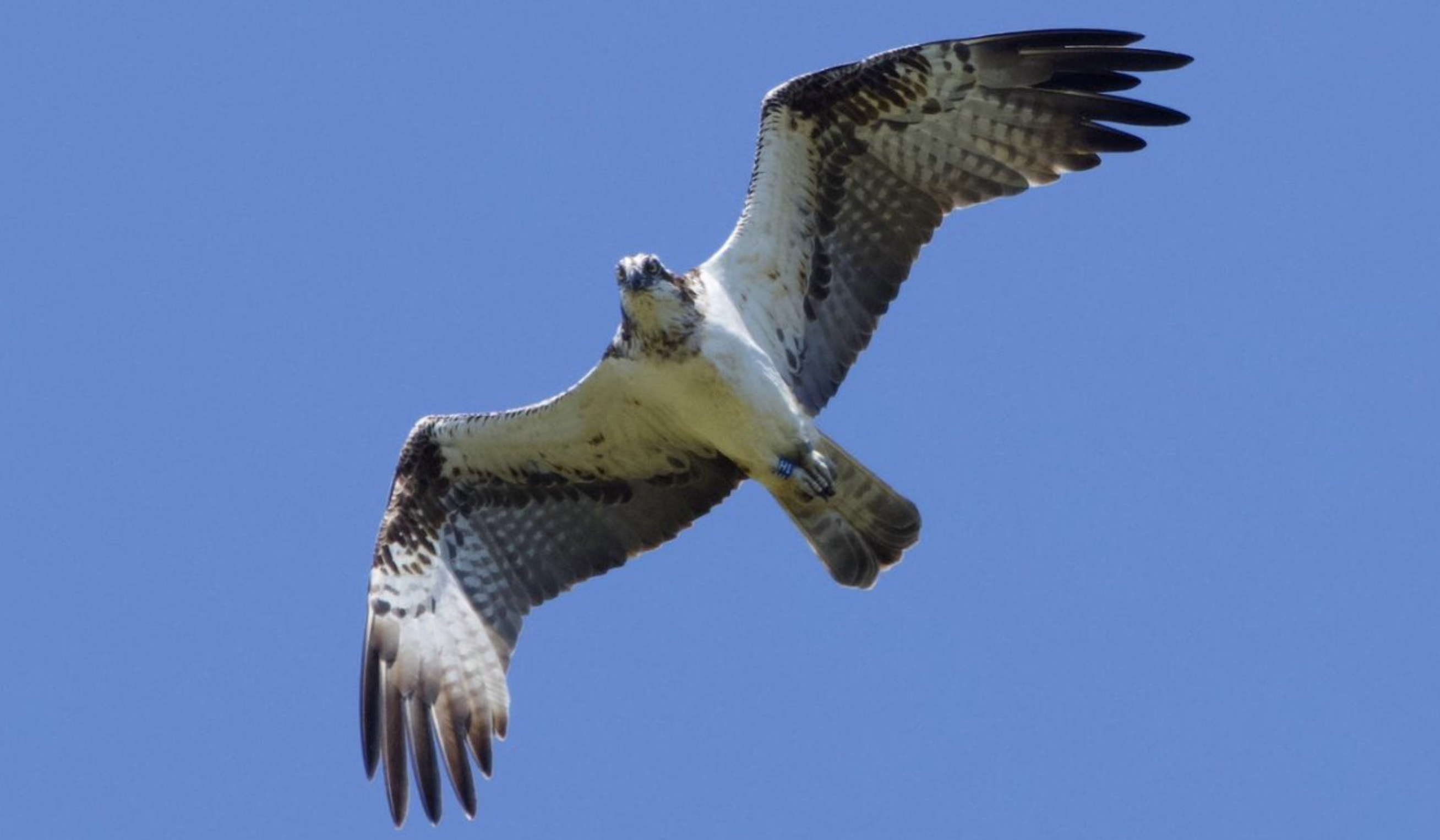
Un-ringed adult female Osprey – Middlebere – Mark Wright


Harbour Update – 12/07/26

Posted on: July 12th, 2026 by Birds of Poole Harbour

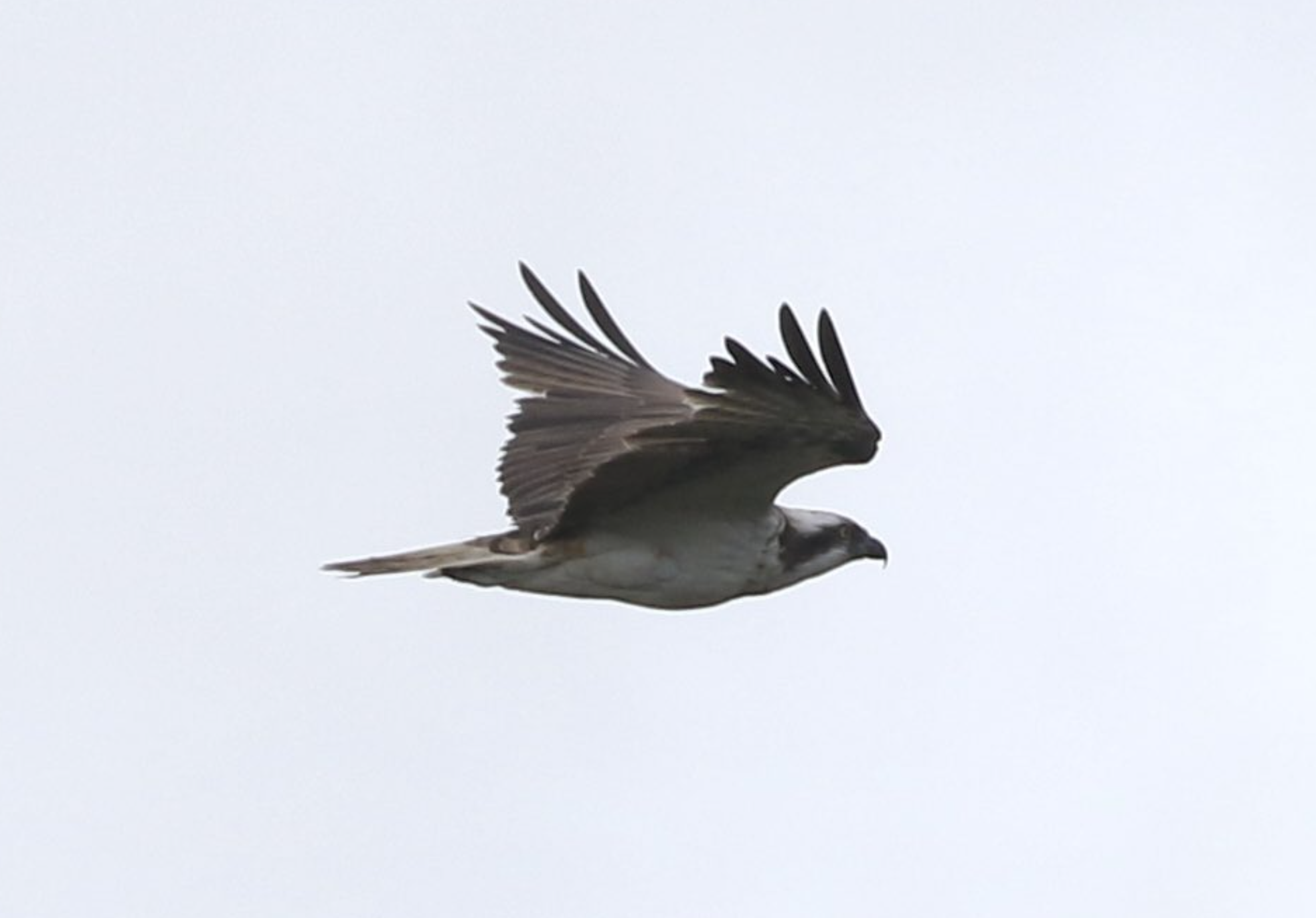
Another fine day, although a stronger NNE breeze had kicked in by late morning. For the first time in a while there were 2 Osprey in the Wareham Channel this morning, one being 022 on his morning fishing rounds, and a second which seems to be moulting it’s P1 (First primary feather) on both wings, which may make it distinctive over the next week or, so and it was likely to be one of our ‘new’ local males (5R0, 5H3 or 5H6), however it won’t be long, probably only a couple of weeks, before we start to see first migrant female Ospreys passing through on their way south which heralds the start of the end of another fascinating and potentially successful breeding season. At Swineham 21 Cattle Egret were roosting on the island in the middle of the gravel pit, the Wareham Channel Marsh Harrier family were also active with 2 juveniles moving around in the west of the channel. The Brownsea Lagoon held 7 Spoonbill, 3 Avocet and 200+ Common Tern with 5 Common Sandpiper on the north shore. An adult White-tailed Eagle was high over RSPB Arne and later in the afternoon 2 were in the Wareham Channel.

Male Osprey – Wareham Channel – Alison Copland


Harbour Update – 11/07/26

Posted on: July 12th, 2026 by Birds of Poole Harbour

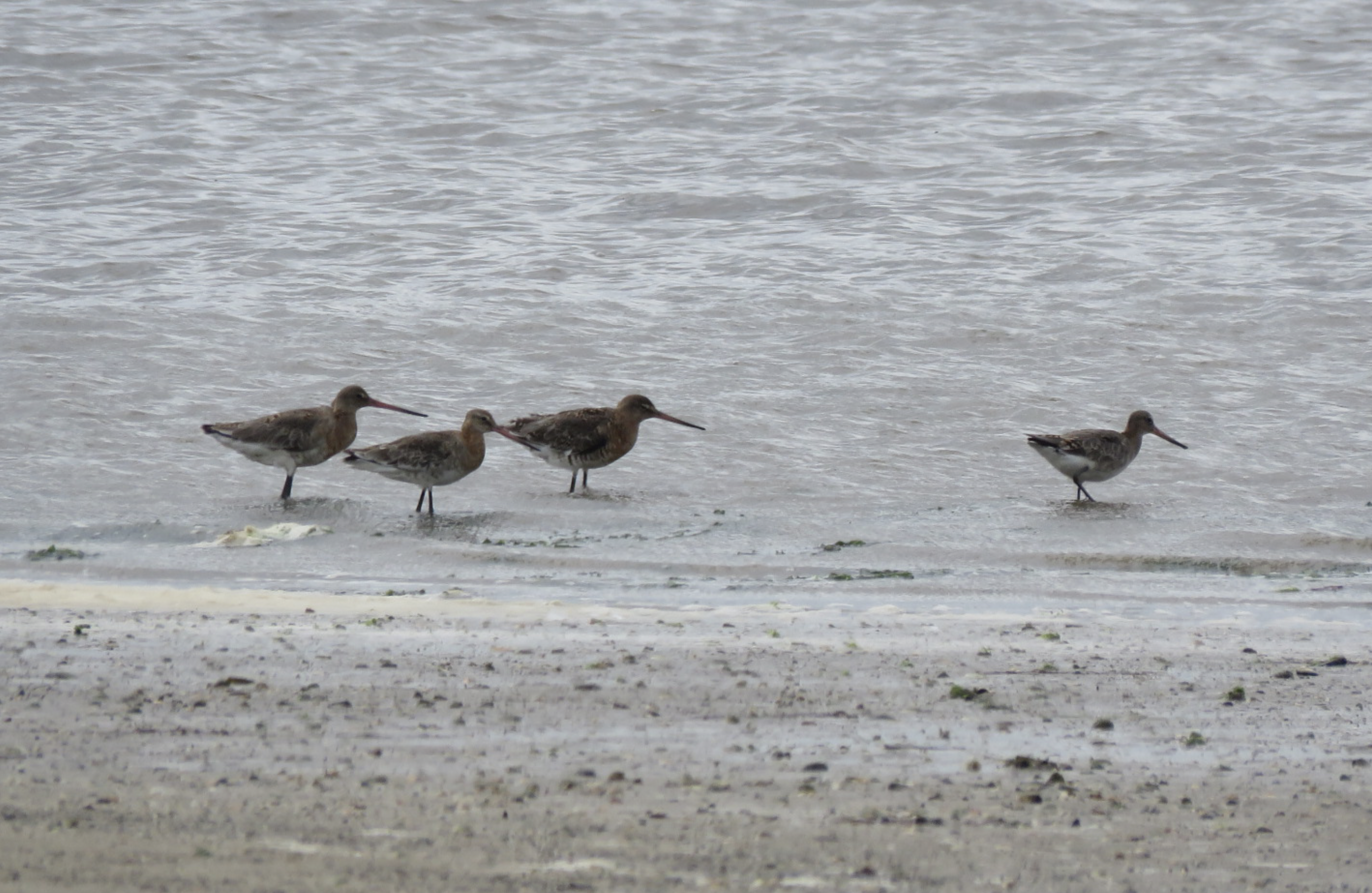
With the breeze building a bit today, there were thoughts that our first Osprey chick may fledge, as ring number 6T6 got airborne several times, however it failed to fully build in confidence and by the end of the day, all 4 chicks were still present on the nest…..maybe tomorrow? A Brownsea Lagoon count  consisted of, 9 Avocet, 3 Little Ringed Plover, 6 Dunlin, 45 Black-tailed Godwit, 5 Curlew, 68 Redshank, 5 Greenshank and 1 Common Sandpiper. In Middlebere there were 9 Spoonbill, 2 Greenshank, 1 Great White Egret and 2 Whimbrel and this afternoon a possible Honey Buzzard flew over Slepe Heath being mobbed by an Osprey. In the Lower Piddle Valley, Carey just 2 Grasshopper Warbler were ringed this AM along with 14 Sedge Warbler, plus 2 Grasshopper Warbler and a Lesser Whitethroat were highlights at Lytchett Bay.

Eurasian Spoonbill – Middlebere – Mark Wright


Harbour Update – 10/07/26

Posted on: July 10th, 2026 by Birds of Poole Harbour

With a national influx of Common Quail currently occurring, Dorset records remain few and far between, however at 2am last night one was sound recorded via a noc-mig listening station close to Lytchett Bay in Upton. The rise in national records is so high currently thats there’s an (outside) chance that nocturnal migration calls could actually become quite frequent, so it may be worth hanging around outside listening between sunset and sunrise to see if you can add one to your garden/house list. More migration today included 8 new Grasshopper Warbler ringed in the Lower Piddle Valley this AM along with 11 Sedge Warbler, 1 Garden Warbler, 9 Reed Warbler and 1 Spotted Flycatcher. A Mandarin Duck was at Hatch Pond and on Brownsea there were 75 Redshank, 55 Black-tailed Godwit, 52 Oystercatcher, 8 Dunlin, 4 Greenshank, 4 Avocet, 3 Little Ringed Plover, 3 Curlew, 1 Common Sandpiper and 2 Spoonbill.

BTO BirdTrack Current UK reporting rate for Common Quail


Harbour Update – 09/07/26

Posted on: July 9th, 2026 by Birds of Poole Harbour

There were more signs of movement today, despite the hot conditions when a Corn Bunting was found out in fields at Old Harry, a real Poole Harbour rarity with Cirl Bunting now actually more frequent than Corn Bunting! Other signs of southward passage included 3 more Grasshopper Warbler ringed in the Lower Piddle Valley, Carey plus 11 Sedge Warbler and 7 Reed Warbler including a worn, moulting adult which was already sporting a metal BTO ring (aka a control) , so it will be interesting to find out where this bird originates from.

We also have some Osprey updates. Starting off with Scottish female 6J8 who’s been taking a shine to Poole Harbour this Spring. That was until today when she was seen up on a nest-cam in Wales! To be fair, shes only doing what we’d expect a 2-year old female to do which is explore all the existing populations. We’re sure she’ll be back soon….hopefully. Also, we reported last week that we may have 2-new birds back that we weren’t aware of including 5H4 and 5H5. With a little bit of digging and some new info/photos, we now believe the sighting up at Leighton Moss was actually an Osprey with ring number 5M4 which looked very much like a ‘H’. Secondly, the bird seen in Devon which could potentially have been 5H5, we now believe to be 5H6 having a bit of a wander.

Control moulting adult Red Warbler – Lower Piddle Valley – Ed Betteridge


Harbour Update – 08/07/26

Posted on: July 8th, 2026 by Birds of Poole Harbour

Another hot one today, and looking at the forecast for the next 1-2 weeks, it seems we’re in for a sunny, hot set of Groundhog Days with little change on the horizon. The main bulk of birding was done this morning and this evening where at  Lytchett Fields this evening there were 65 Redshank, 36 Lapwing, 8 Black-tailed Godwit, 4 Green Sandpiper, 3 Greenshank, 2 Oystercatcher, 1 Spotted Redshank and 1 Common Sandpiper. On Brownsea Lagoon this morning there were 5 Teal, 5 Spoonbill, 2 Avocet, 4 Black-tailed Godwit, 2 Greenshank, 73 Redshank, 1 Common Sandpiper, 5 Dunlin 175+ Common Tern and 25+ Sandwich Tern. In the Wareham Channel this morning a White-tailed Eagle was active for a while and 2-3 Marsh Harrier were seen. Another first of the autumn was ringed in the Lower Piddle Valley, Carey with the first Garden Warbler of the season.


Harbour Update – 07/07/26

Posted on: July 7th, 2026 by Birds of Poole Harbour

We liaise with the ringing team in the Lower Piddle Valley, Carey on a daily basis and we discussed a challenge for this autumn ringing season to see what date the earliest migrating Grasshopper Warbler could be caught. These small secretive warblers no longer breed in Dorset (as far as we know), so the occurrence at any site at this time of year will be a passage migrant. Traditionally ringing efforts haven’t started until much later in July, and we’d often catch migrant ‘Gropper’ in the first few sessions, so we didn’t know if they actually passed through earlier. Well, the team started their efforts earlier this year, and the reward came today with our earliest ever caught Grasshopper Warbler of the autumn! and its only July 7th. It’s mad to think that this (and many other birds) are already on their southward journey. Also ringed at the same site this AM were a few more passage Sedge Warbler and Reed Warbler. Elsewhere male White-tailed Eagle G463 was active in the Wareham Channel all morning and eventually caught a large Mullet in central channel. The Swineham Marsh Harrier family were carrying out food passes to the 2 newly fledged juveniles and 5 Common Sandpiper were in the mouth of the River Frome along with 2-3 active Bearded Tit. On Swineham GP 2 Cattle Egret were roosting on the island and a Hobby drifted over. The Brownsea Lagoon held 7 Spoonbill, 2 Avocet, family decent numbers of fledged Common and Sandwich Tern and 1 Greenshank.

Grasshopper Warbler – Lower Piddle Valley – Ed Betteridge


Harbour Update – 06/07/26

Posted on: July 6th, 2026 by Birds of Poole Harbour

We observed some interesting behaviour over the Careys Secret Garden today, close to the Osprey nest. There were large numbers of gulls feeding on flying insects this afternoon, including a lot of dragonfly and damselfly on the wing. At Carey this summer there were two separate Kestrel nests (although both serviced by the same male) which fledged a total of nine young. This afternoon at least seven of them were hawking over the top of the floodplain and gardens, effortlessly catching flying insects without a mammalian thought in their minds. At distance you could have easily of mistaken them for Hobby. It’s well documented that insects can make up an important part of a Kestrels diet, and this is actually a behaviour we see each mid-summer here in the river valley. It’s also well documented that UK Kestrel populations have been in decline for many years. Could it be that insect populations actually play a more vital role in post-fledging survival rates than previously thought, and that widespread insect declines could actually be playing a role in the crash of UK Kestrel populations? After watching the Kestrels for several minutes, a Red Kite came in and also started hawking insects!!!
Kestrel hawking and catching an insect over Carey Secret Garden this PM

Red Kite hawking and catching an insect over Carey Secret Garden this PM


Month:

Call 01202 641 003