
An official account of all species that have been recorded and reported by birdwatchers and naturalists in the Poole Harbour area since records began.
The data for this list has been extracted from various sources, but George Greens 'The Birds of Dorset', Mansel-Pleydell's Birds of Dorsetshire, Naylor’s reference manual of rare birds and the back catalogue of Dorset bird reports have provided most information. Data is currently still being researched and records will be updated accordingly.
You can view this information in two different ways. Our alphabetical list provides information on the status of each species within the harbour, finder dates and names, photos and favoured locations. By clicking on the Systematic List button you will be presented the full Poole Harbour systematic list which includes status of species, pending records and historical accounts.
To date, 333 species have occurred and have been accepted within the Birds of Poole Harbour boundaries. A further 11 distinct subspecies have also been seen. In addition, we have two species/subspecies which have been recorded, but are awaiting acceptance by the appropriate records panel.
There are a handful of historical records, for which there is currently insufficient information to allow their inclusion onto the Poole Harbour list, but are believed to be genuine records. They are listed at the end of the list.
Finally, there are a number of feral or escaped species that have been recorded within the Birds of Poole Harbour boundaries. They are included for completeness, but are not included on the Poole Harbour list.
We would be interested in hearing details of any species that do not appeared on this list.
The Birds of Poole Harbour systematic list is a PDF which you can view by clicking on the button below. It was last updated on December 2019.
Full Poole Harbour Systematic List
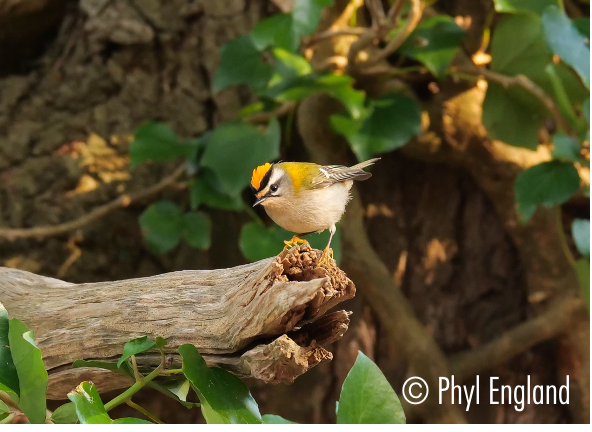
Firecrest
Latin Name
Regulus ignicapilla
Status
Scarce Resident
Site And Records Information
Most easily found in March and October/November when the breeding population is supplemented by migrants. Studland, Arne and the southern-most areas of the harbour seem to be popular but Upton CP, Lytchett Heath and Bay, Fleets Corner and even Poole Park see them during October. Can now be found across the harbour during winter. Holly and ivy being a favoured habitat. Recent breeding success at several sites including Arne and Brownsea Island indicate Firecrest are beginning to build a small but growing population within the harbour.
Forster’s Tern
Latin Name
Sterna forsteri
Status
Vagrant
Site And Records Information
An amazing record of 1 first seen in Lytchett Bay on the afternoon of April 23rd 2023 found by Steve Smith, which was then later re-found on the Brownsea Lagoon webcam that same evening. It then stayed for several days, but even more amazingly it then returned for a prolonged period during the aututmn of 2023.
A 2nd-calendar year at Sutton Bingham Reservoir on 6th Apr was relocated at Lytchett Bay and Brownsea Island on 23rd Apr, remaining in Poole Harbour until 16th May. It returned to Poole on 15th July for an extended visit of almost four months, and was last seen on 11th Nov. The second for Dorset, and the first for east Dorset after one on The Fleet and other sites in west Dorset in 1995/96. A summary of the various sites visited is below:
2023
Arne RSPB – 10th May.
Brownsea Island – 23rd Apr to 16th May, often roosting here
Lytchett Bay – 23rd-26th Apr and 3rd May (Steve F Smith, Julia Whittall et al, photo).
Studland – 12th May off Pilot’s Point.
Arne RSPB – Almost daily from 21st Jul to 11th Nov off Shipstal Point and in the Wareham Channel.
Brownsea Island – 15th-16th Aug and 1st-4th Sep at least.
Lytchett Fields RSPB – 15th Jul over French’s Pool (Shaun Robson, Ian Alexander et al, photo).
Middlebere – 21st Sep and 1st Oct at least.
2024
After wintering in Finistère, France, 2023’s long-staying individual returned on 30th Mar 2024, discovered perched on its favourite buoy off Shipstal Point, Arne RSPB. Now in its third calendar year, it remained in Poole Harbour for the next five weeks, usually frequenting the Wych Channel between Arne and Round Island, until it was last reported at Shipstal on 7th May. It made a brief return in the autumn, when it was found in Holes Bay on 30th Sep. Photographic analysis of feather patterning and wear confirmed it had been present at Dundalk, Co. Louth in Jul. A summary of the various sites visited is given below:
Arne RSPB – Noted almost daily from 30th Mar to 7th May from Shipstal Point, or in the Wych Channel and Middlebere Lake (Jon Bissett et al, photo).
Brownsea Island – Present on the lagoon on at least eight dates from 31st Mar to 16th Apr.
Hamworthy – Noted offshore on 23rd Apr.
Holes Bay – Recorded on seven dates from 6th Apr to 2nd May.
Lytchett Bay – Flew through the bay into the Sherford River on 17th Apr.
Holes Bay – At Upton CP on 30th Sep and 1st Oct (Nick Woods et al, photo).
Franklin’s Gull
Latin Name
Larus pipixcan
Status
Vagrant
Site And Records Information
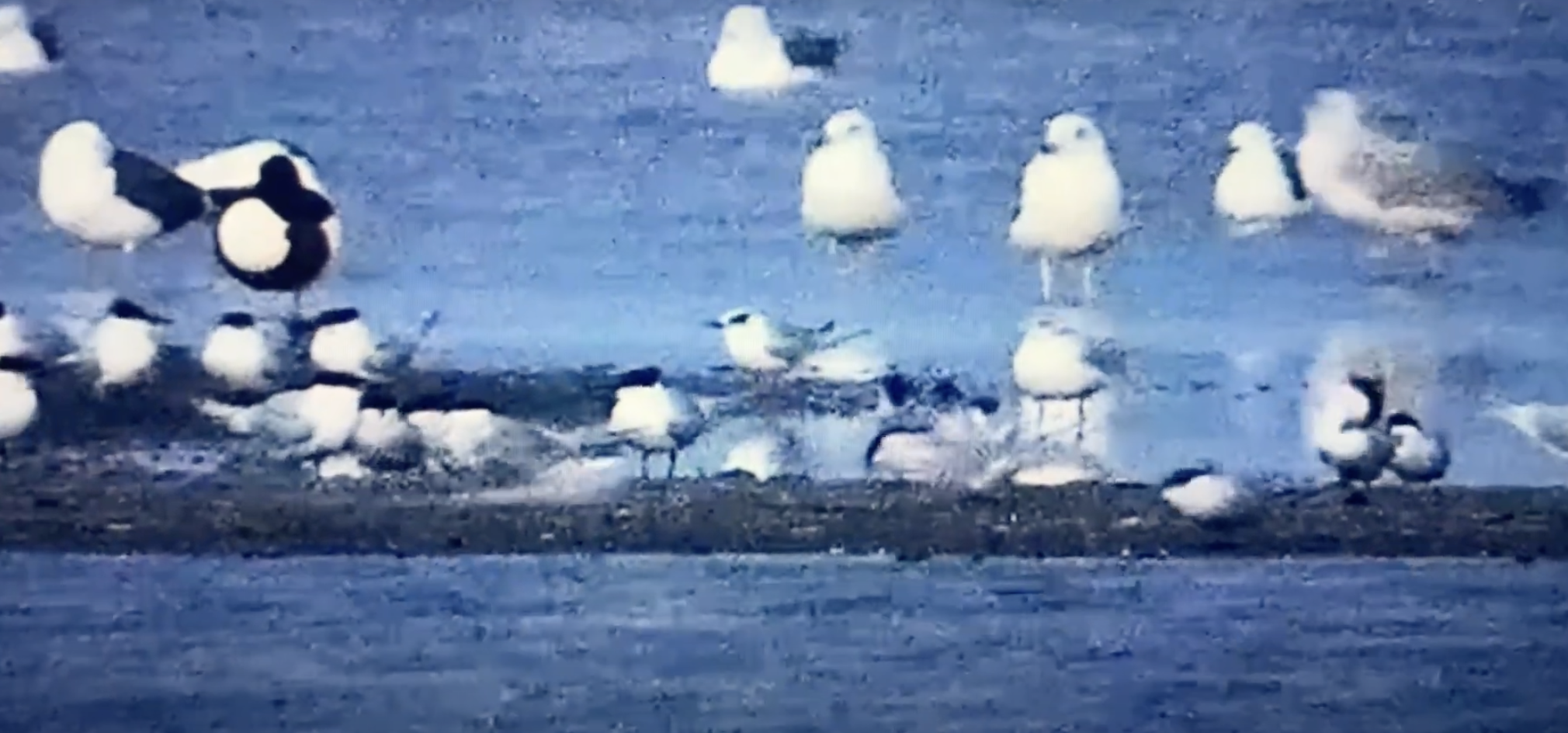
Up to the end of 2014 there have been 72 British records of this attractive Nearctic species. 5 of these have been in Dorset but only 1 in the harbour. How long before we can add the closely related Laughing Gull to the harbour’s list? It occurs almost 3 times as frequently in Britain.
A 2nd W on 17th Jan 2008 off Holton Lee in the large evening gull roost in the Wareham Channel (J.Lidster, N.Hopper). See page 197 of DBR 2008 for full write up.
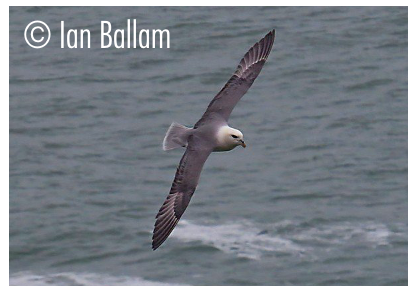
Fulmar
Latin Name
Fulmarus glacialis
Status
Summer Visitor & Passage Migrant
Site And Records Information
Present throughout the breeding season, can be seen anywhere from Old Harry to Ballard Point although populations are declining. Regular passage bird out in Poole Bay. Fulmars first arrived in Dorset prospecting for nest sites in the 1940’s, with the first records for them settled on Ballard in 1982. More unusual sightings involve a bird flying high west over Stoborough on 17th June 1978 and one found grounded on a pavement in Wareham after a heavy hailstorm on 25th April 1991.
Passage birds regularly seen from Branksome Chine with a high counts of 41 past on 11th May 1997 also a ‘Blue Phase’ bird there on 23rd May 1996.
Gadwall
Latin Name
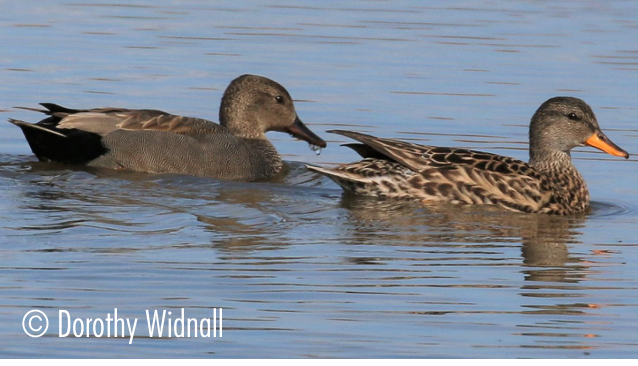
Anas strepera
Status
Resident
Site And Records Information
Gadwall is a relatively new breeding species that has slowly colonised. Before 1968 it was only seen in ones and twos then a regular flock built up on Little Sea and flocks are now found regularly on Hatch Pond, Little Sea, Swineham GP, Arne Moor, The Wareham Channel sand Brownsea. Gadwall from the Baltic and Russia, the Netherlands, Poland and Denmark are thought to supplement the locals in winter. The maximum harbour count was 126 on 7th November 1993 but 177 were logged during the December 2019 WeBS count. Recent breeding records include Brownsea, Swineham, Frome Valley and Arne Moors. The average 5-year winter total population is 159 per winter.
Gannet
Latin Name
Morus bassanus
Status
Erratic, but Regular Coastal Species
Site And Records Information
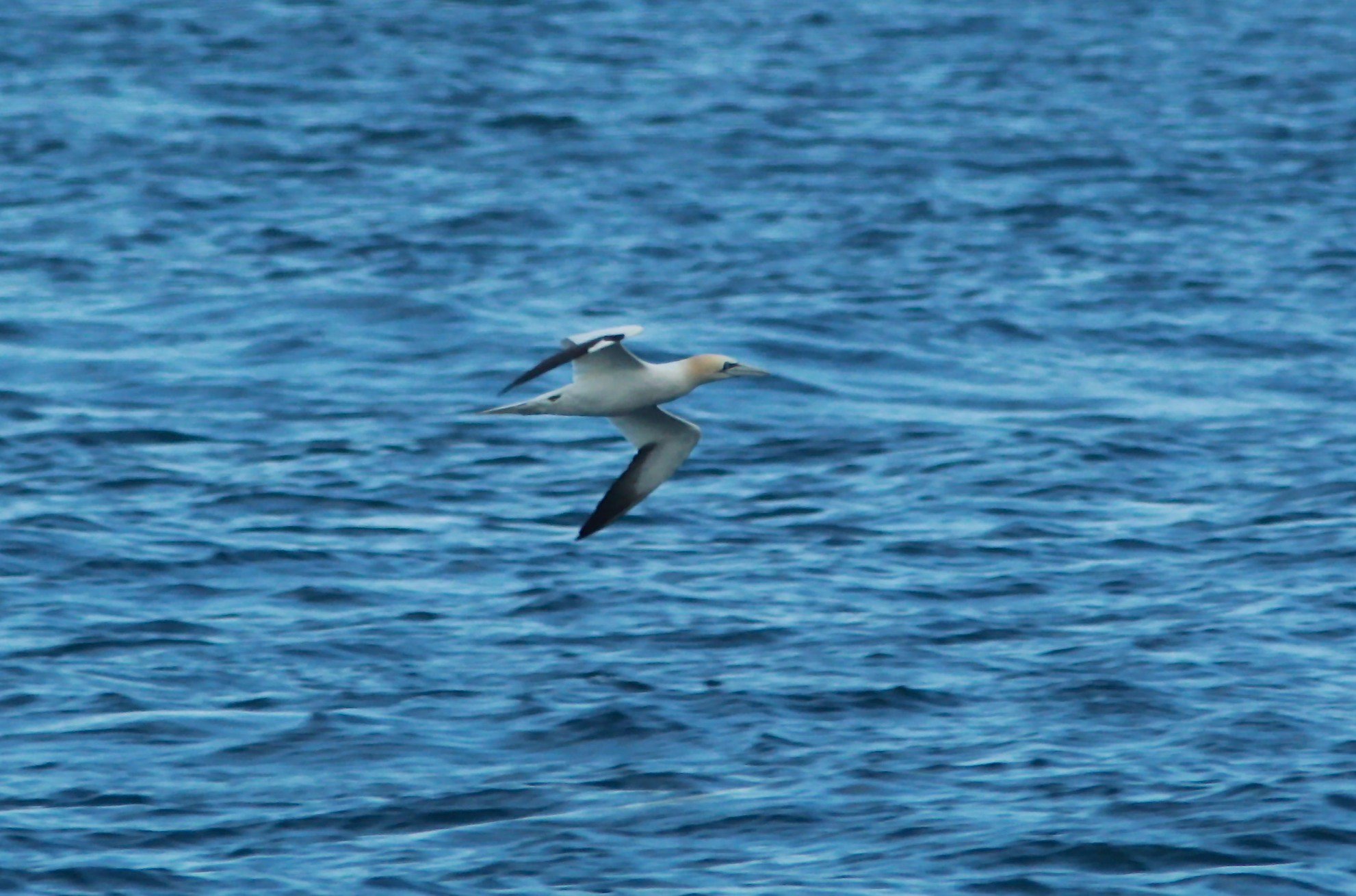
Can be seen fishing in Poole Bay throughout the summer in flocks of up to twenty birds. Can also be seen passing Branksome Chine and Old Harry in onshore winds from March to November. Rarely enters the harbour but do occasionally feed in and around the harbour mouth and have even been seen over Wareham before! During a Branksome sea watch in autumn and spring Gannet can pass in good numbers out in Poole Bay, especially in a south-east wind. The maximum passage recorded is of 300 birds past Branksome on 29th August 1997. In 2000 two were seen on Brownsea Island Lagoon with an adult on there on 3rd January and an immature with a broken wing in the Orchid Meadow on 8th Oct. The nearest breeding colony is in Alderney in the Channel Islands.
Garden Warbler
Latin Name
Sylvia borin
Status
Summer Visitor & Passage Migrant
Site And Records Information
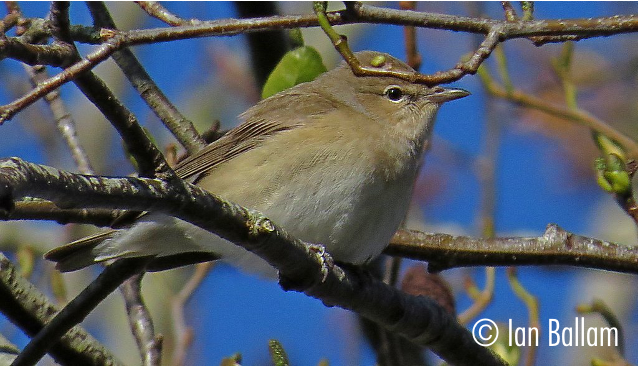
Can be seen on passage at Ballard, Greenlands Farm, Fleets Corner, Studland, Arne, Lytchett Bay and other sites with suitable scrub habitat. Very sporadic breeder with records from the Corfe River Valley and Lytchett Bay. Very scarce on spring migration and much more frequent on autumn migration.
Garganey
Latin Name
Anas querquedula
Status
Scarce Passage Migrant
Site And Records Information
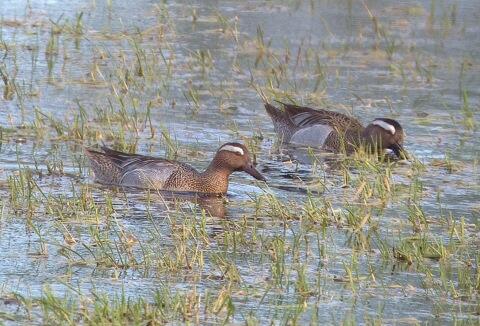
The best chance of seeing this species in Poole Harbour is through March to April and August to September. Fine spring drakes can appear on any flooded fields or wetland such as the Swineham scrapes, Lytchett Fields or Wareham Common. Swineham GP are also worth checking. Garganey also join the eclipse flocks of Teal at Brownsea, Middlebere, Arne and Lytchett Bay in the autumn but are much harder to find as they too are often in eclipse plumage.
They actually bred in 1940, and there was also a pair at Little Sea in 1956. It was suspected of breeding on Brownsea in 1967 and again off the Holton Shore in 1980 and there were a pair at Keysworth in 1991. To see more breeding attempts it’s all about improving the habitat and the Swineham/Arne Moors area seems most likely for them to attempt again.
The most recent records have been from Swineham GP, Swineham scrapes, the Brownsea Lagoon, Lytchett Fields and Wareham Common.
With the ‘wetting up’ of the Lower Frome Valley, sightings from 2023 onwards have become more frequent:
2022
Brownsea Island – 1 male on the lagoon on 4th May.
Swineham – A pair on 17th Mar and a male on 21st-23rd Mar.
Brownsea Island – 1 on 27th Aug.
Swineham – 1 female or immature in the Piddle Valley on 6th Sep.
2023
Holme Lane GP – 1 on 1st May.
Middlebere Farm – 1 on 27th Mar.
Swineham GPs – 1 drake from 25th Mar to 6th Apr.
Brownsea Island – 1 eclipse male on 10th-30th Sep.
Swineham GPs – 1 on 27th Sep.
2024
Poole Harbour – 1 pair present in the Swineham/Keysworth area during May and Jun suggested a breeding attempt may have occurred, but there was no further evidence of this.
Lytchett Bay – 1 male on 17th Mar.
Brownsea Island – 1 eclipse male on 24th-31st Aug.
Studland – Female/juv at South Haven on 23rd Aug.
Swineham GPs 1 eclipse male on 2nd-3rd Aug.
Glaucous Gull
Latin Name
Larus hyperboreus
Status
Rare Visitor
Site And Records Information
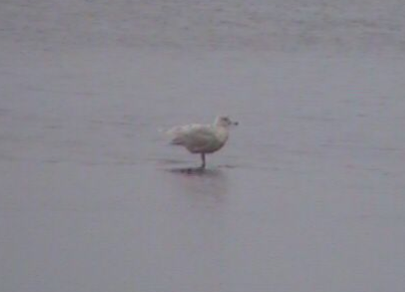
A large brut of a gull, Glauc’s mainly appear in February and March and can be tracked down at sites where large gatherings of other gull species can be found. There are plenty of Poole Harbour records, although sightings do seem to have dwindled somewhat over the last 10 years.
1 on 29th Aug 1940 at “Poole Harbour” (per GPG2004)
1 from 24th Jan – 22nd Mar 1952 at Poole Quay
1 on 1st Oct 1956 at Poole Harbour entrance
1 on 18th Apr 1964 at Little Sea
Ad on 27th Jan 1982 at Flaghead Chine
1st W on 22nd Jan 1983 at Little Sea
1st W on 10th Feb 1984 at Canford Heath Tip
1 on 20th Dec and 28th – 29th Dec 1986 at Studland Bay / Little Sea
1 on 31st Jan 1987 at Studland
2nd yr on 22nd Oct 1988 at Brownsea
Two 2nd W on 28th Dec 1988 at Little Sea
2nd W on 31st Jan 1989 on Littlesea (presumably one of the above birds)
1 on 24th Feb 1991 in “Poole Harbour” (per DBR1991)
1st W on 12th Jan and 29th Mar 1992 at Little Sea
1st W on 12th Feb 1995 at Brands Bay
1st W on 6th and 14th Jan 1996 in Brands Bay
Ad on 5th Dec 1996 at Studland
1st W on 14th Mar 1998 at Brands Bay
1st W on 25th Nov 2000 on Brownsea Island
1st W on 29th Mar 2001 on Brownsea Island
1st S on 10th Mar 2002 at Ower and Brownsea Island and through harbour mouth on 12th.
1 on 10th Dec 2006 and at Arne (Unusual amongst recent records in that it was unaged (per DBR2006)
Imm on 28th Feb 2009 in Bramble Bush Bay
Ad on 1st Mar 2009 in Brownsea Roads
1st W on 19th Feb 2014 on Brownsea lagoon – discovered via the Brownsea webcam!
1 2nd winter on 15th 2014 at Sandbanks
1 Adult on 8th Mar 2020 (Graham Armstrong)
2cy 2nd – 9th Feb 2021 on Brownsea Lagoon (P.Morton et al)
Glossy Ibis
Latin Name
Plegadis falcinellus
Status
Vagrant
Site And Records Information
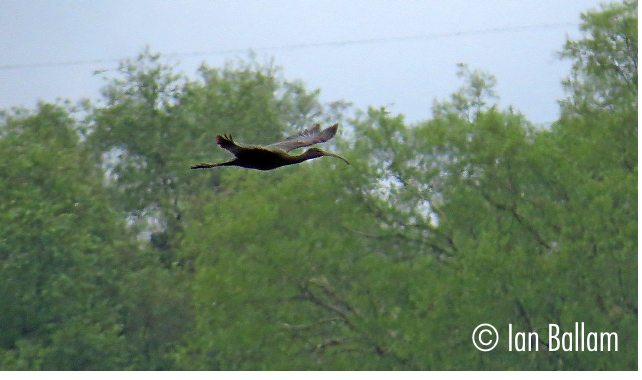
After 5 records involving 15 birds in the 19th century we had to wait more than 130 years for the next. Despite the resurgence in Glossy Ibis records in Dorset and the UK since 2010 the species still does not occur in the harbour as often as one would expect, but does seem to be occuring at least once per year somewhere in the harbour.
1 shot in 1839 in “Poole Harbour” (per LGRE94)
2 shot in Aug 1842 at Lytchett Bay
1 shot in 1857 at Wareham (per LGRE94)
7 “obtained” in late Sep 1857 in “Poole Harbour” (per GPG2004)
4 in 1877 in “Poole Harbour” (per LGRE94)
1 on 13th Aug 2010 at Holes Bay (R.Collier)
1 from 12th – 26th Feb 2012 was seen around Wareham, Bestwall and Swineham (N.Gartshore et al). It originated from Coto Donana, Spain where it was colour ringed on 12th May 2004. It was seen at Oued Massa, Morocco on 29th Apr 2005.
1 on 30th Nov 2013 at Middlebere (M.Wright)
Recent Records
2016
Lytchett Fields RSPB 1 on 11th May (ID Ballam et al), remaining until 13th.
2018
Poole Harbour 1 at Lytchett Fields RSPB during the morning of 1st May moving to Arne Moors RSPB in the afternoon; subsequently at Swineham GPs on 6th & 8th May and at Arne Moors RSPB on 7th May (R Howes, JR Mitchell et al).
2019
Poole Harbour 1 at Swineham GPs and Arne Moors RSPB on 15th-17th Feb (N Hopper et al).
2020
Lytchett Fields RSPB Singles on 14th Sep (Ian Ballam) and 20th Oct (Shaun Robson et al). Middlebere 1 flew over on 1st Dec (Bob Buckler).
Studland 2 on 20th Oct, 1 E over Old Harry and the second NW over towards Glebelands (Nick and Jackie Hull et al).
Swanage 1 circling over Peveril Point on 20th Oct and another W on 21st Oct (Vic Saville).
2022
Lytchett Bay – 1 on 12th-24th Jan (Ian Ballam, Shaun Robson et al, photo), visiting nearby Lytchett Minster on 22nd-24th (Paul Morton et al, photo).
Lytchett Bay – 1 on 23rd-24th Aug (Ian Ballam, Shaun Robson et al, photo).
Middlebere – 1 on 21st Oct (Robin Morrison, photo).
Swineham – 1 on 17th Sep (Sue Hiley, photo).
2023
Arne Moors RSPB – 1 on 21st Oct.
Wareham Channel – 1 flew east on 10th Sep (Peter Hadrill). 1 flew west towards Swineham on 20th Oct before relocating to Arne Moors the following day.
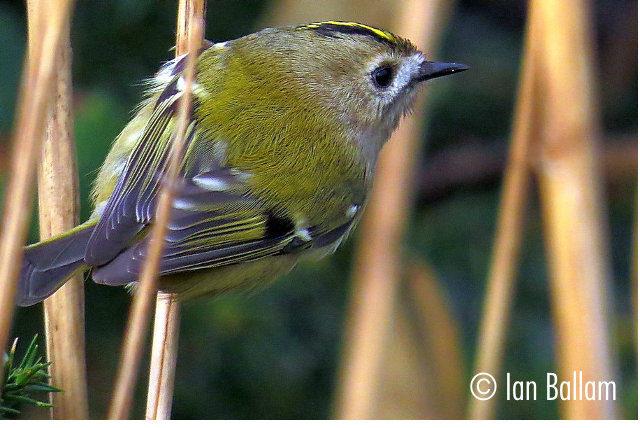
Goldcrest
Latin Name
Regulus regulus
Status
Resident
Site And Records Information
Breeds in any suitable habitat throughout the harbour, particulary in the large strands of coniferous forest near the southern and western shores. Breeds at Arne, Upton Country Park, Canford Heath, Sandbanks, Studland, Middlebere and Lytchett Bay. Good numbers can be evident in the woodlands and hedgerows around the harbour during October mixing with various warbler and tit species. The headlands around Ballard and along the Studland peninsular can see large falls in October during irruption years.
Golden Oriole
Latin Name
Oriolus oriolus
Status
Vagrant
Site And Records Information
A joy to find on a late spring day, surely a male Golden Oriole is a birders prize find. With 14 Poole Harbour records it’s obviously an area they like, but trying to track one down across all that suitable habitat is surely one of the reasons they’ve been impossible to re-find once discovered and why so few birders have been able to connect with one.
1 noisy male on 4th June 1960 on Studland Heath
1 male on 14th May 1967 at Studland
1 on the 1st July 1967 at Arne
2 on 23rd May 1968 near Arne
2 males on 23rd May 1977 at Brownsea
1 calling on the 1st -3rd June 1977 at Shipstal/Arne
1 on 11th June 1979 at Swineham
Singing male on 20th – 21st May 1981 at Arne
Singing male on 20th May 1993 at Lytchett Bay (E.Brodie)
Singing male on 3rd Jun 2004 at Studland (I.Prophet, G.Armstrong)
1 male on 18th May 2017 on the edge of Hartland Moor (R.Webb)
1 male on 19th May 2017 on 7th Hole of Purbeck Golf Club (H.Murry)
1 male on June 1st 2021 singing at Claywell, Rempstone (P.Morton)
1 singing briefly on 21st May 2022 – RSPB Arne (Liz Woodford et al, sound recording).
Golden Pheasant
Latin Name
Chrysolophus pictus
Status
Scarce Resident
Site And Records Information
Golden Pheasant were first introduced to Green Island in the 1920’s by Mrs Ella Barrett where it established itself. Birds of Dorset suggests that they was released as late as the 50s but the history of Poole Harbour shows Mrs Ella Barrett leased the island between the wars (1920 and 30). In the second world war Green Island was used for military exercises and no one was there to feed the Golden Pheasants so is assumed they became feral around then. They were there routinely by the nineties and the potter, Guy Sydenham, who lived there as a caretaker said that they had been on the island as long as he had.
They spread from Green Island to Furzey and in 1962 were introduced to Brownsea. In the 90’s it was decided by the dorset Bird Club that as it had been on those islands self supporting for decades they would included it in the report.
Only tiny numbers are left on Brownsea (just 1), but they’re still present on Furzey Island, Green Island and now Round Island. They’re not easy to see and are sometimes visible at great distance from the mainland at Studland looking back across on the slipway of Furzey Island. Now they’re present on Round Island it may be possible to view them from Shipstal Point, Arne using a telescope.
A recent 2020 survey of all the islands produced the below harbour population totals :-
Brownsea Island – 1
Green Island – 12
Furzey Island – 16
Round Island – 4
Total 2020 Poole Harbour population = 33 individuals
Other recent records:
2022
Although at least 33 individuals were counted in a 2021 survey of the Harbour islands, there were just two reports in 2022 – singles on Furzey Island on 12th May and 6th Nov.
2023
Singles seen on Furzey Island on 29th Jan, 13th May and 9th Jul.
2024
On Furzey Island, a male on 24th Jun and 3rd Aug, 4 (3 males and a female) on 15th Dec.
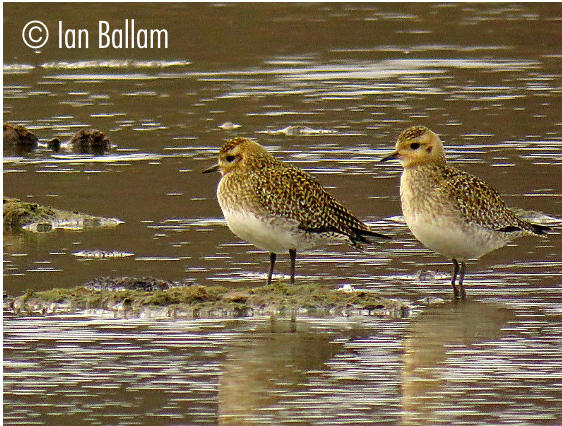
Golden Plover
Latin Name
Pluvialis apricaria
Status
Scarce Winter Visitor
Site And Records Information
Sporadic in their appearances around the harbour, the fields around Bestwall and Swineham are usually the best places to look as they ‘hang out’ with Lapwing. Some passage does occur with records over Ballard and Studland in October. The Harbour maximum is over 300 at Bestwall but birds are erratic in their appearance, some years they can be ever present on the meadows at Bestwall but the following year barely recorded at all. Without doubt cold weather movements make Golden Plover more conspicuous and in recent cold spells birds have been found sheltering and feeding in very urban sites like Baiter Park, Holes Bay and Whitecliff.
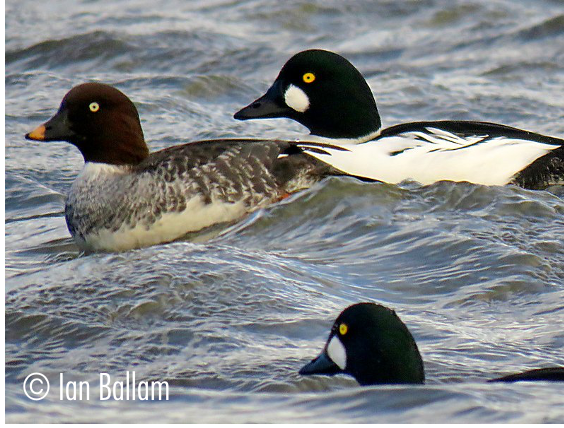
Goldeneye
Latin Name
Bucephala clangula
Status
Winter Visitor
Site And Records Information
Poole Harbour was a nationally important site in winter and held over 80% of the counties birds. Numbers had increased over the last sixty years with a maximum estimate for the harbour of 500 in 1963 and an actual count of 405 in February 1998. Often witnessed tossing their heads back and displaying they are easily seen anywhere across the whole of the open water of the harbour during the depths of winter, however from Shipstal Point at Arne, the Wareham Channel and out in Brands Bay small groups can be viewed. Poole Park boating lake is also good for watching Goldeneye, especially from December to late February.
Their status now is one of concern and has seen a dramatic decline over the last 20 years with the last 5-year average each winter consisting of just 79 birds per winter!
Goldfinch
Latin Name
Carduelis carduelis
Status
Resident
Site And Records Information
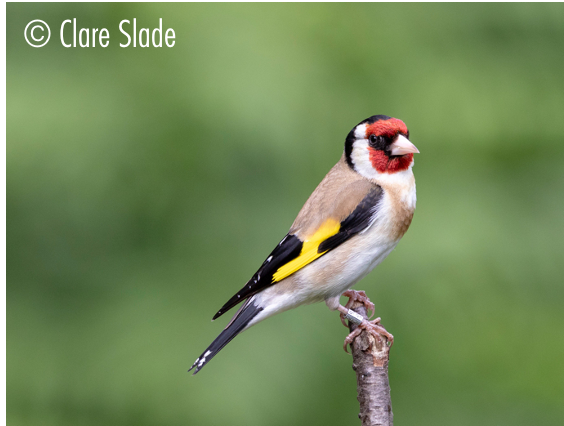
Easily now one of the most common birds in urban and rural gardens around the harbour. Easily monitored on migration during October and November at sites like South Haven, Ballard and Glebelands often with thousands passing in a single morning. Now nearly all garden feeders around the harbour support Goldfinch.
Goosander
Latin Name
Mergus merganser
Status
Scarce Winter Visitor
Site And Records Information
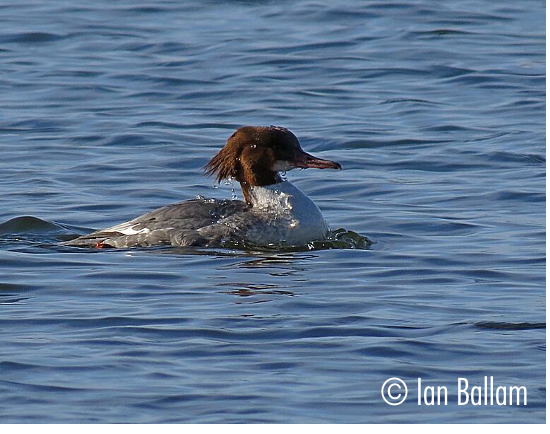
Goosander are another bird drawn to the harbour in by extreme cold weather. Check the warmer waters of Holes Bay during a big freeze or the Swineham GP. Birds have also been recorded off Arne, Hamworthy Beach, Lytchett Bay, Brands Bay and the Holton shoreline. Goosander is an annual visitor to the harbour mostly during late autumn passage. They usually only stay around for a day or two and move on. The closest wintering birds are up the River Frome and the Piddle. Occasionally these birds stray downstream to get in the recording area. Weekends are a good day to look for them within the harbour as this is when most duck shooting occurs and they are flushed downstream into the Wareham Channel. Little Sea at Studland has also recently seen a few Goosander.
Larger numbers normally occur in colder weather with 57 off Arne and Hamworthy on the 4th February 1957. This is the maximum harbour total. The earliest record is on 6th October 1957 and the latest was the 16th April 1984.
Recent records:
2023
1 or 2 on single dates also at Carey Estate (24th Jan), Corfe Mullen (1 over on 26th Jan), Hatch Pond (8th Jan, Swineham (23rd Apr).
Poole Harbour – 1 in Holes Bay on 11th & 12th Nov and 5 off Jerry’s Point on 10th Dec.
Also recorded at Swineham GPs (3rd Nov) and Wool (7th Nov).
2024
Arne RSPB – 1 on 20th Feb.
Holes Bay – 1 from 5th-25th Mar.
Holmebridge – 2 on 23rd & 24th Feb.
Lytchett Fields RSPB – 4 flew W up Sherford River on 30th Sep.
Also recorded at Holme Lane GP (28th Dec) and Poole Harbour (13th & 27th Nov).
Goshawk
Latin Name
Accipiter gentilis
Status
Rare Visitor
Site And Records Information
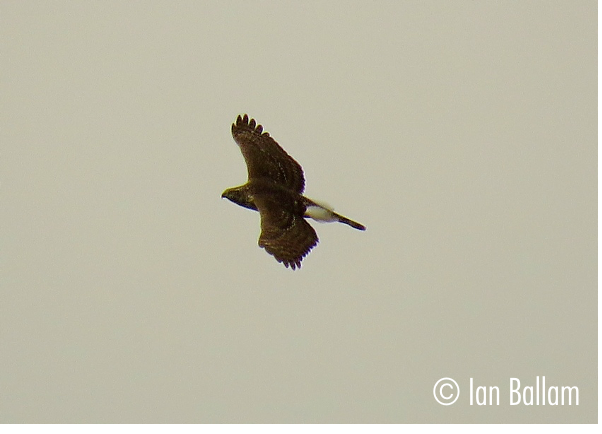
There used to be no real pattern regarding Goshawk in the harbour. It was likely once a wide-spread breeder across Dorset, but like many birds of prey, was probably persecuted to extinction over the last couple of centuries. It was first re-recorded in 1976, with a female or immature seen, then another at Arne on 3rd April and one was seen flying west over Sandbanks on 13th November 1976. An immature at Middlebere was then logged on 2nd January 1978.
It was regularly recorded in the 80’s with records in 1980, 1981, 1982, 1984, 1985, 1986 and 1988. These came from various sites including Arne, Brownsea, Studland, Wareham Water Meadows, Holton Heath and Holes Bay.
In the last 20 or so years records declined and also the area of occurrence shifted focus to the northern half of the harbour. However, by late 2021, sightings became more frequent and by 2023 it was found that at least 2-3 territories were present in the harbour. It’s now thought that currently (2023) there are an estimated 30-40 pairs in Dorset, but that could be a massive under estimate. The regular sightings over the Osprey nest site and the presence of several juveniles in and around the harbour during 2023 suggest they’re making a strong come back.
Recent sightings
1 on 4th Apr 1994 at Lytchett Bay (E.Brodie, R.Howell)
1 on 11th Feb 1996 at Lytchett Bay (D.Philpott)
Male on 20th Feb 1996 at Swineham (I.M.Lewis)
1 on 25th Oct 1997 at Lytchett Bay (P.Benham)
1 on 16th Jan 2000 in Broadstone (E.Brodie)
Female on 25th Feb 2003 at Keysworth (H.Wood-Homer)
1 on 19th Feb 2007 at Holes Bay (E.Brodie)
1 on 21st & 23rd Oct 2017 at Middlebere and Wareham Channel (S.Buckell et al)
Singles over Slepe Heath on 13th Sep and 13th Oct 2019 (P Hadrill).
1 juv on 28th Nov and 15th Dec 2020 at Lytchett Fields RSPB (Ian Ballam et al). Massive flushes of pigeons and corvids alerted observers to its presence.From winter 2021/22 onwards sightings of adults and juveniles became regular at Middlebere, Rempstone and the Piddle Valley.
Grasshopper Warbler
Latin Name
Locustella naevia
Status
Passage Migrant
Site And Records Information
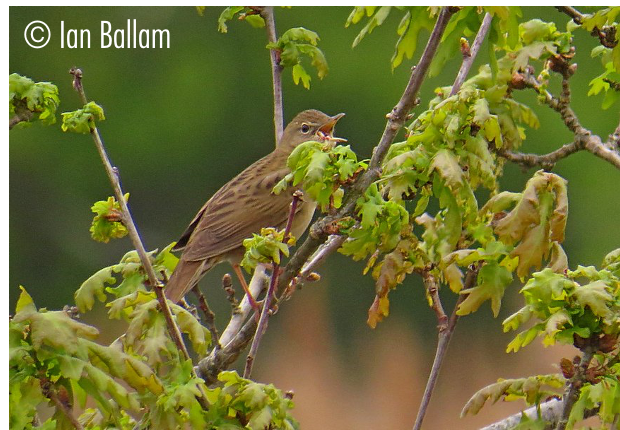
Massively under recorded due to their shy nature, ringing totals from Lytchett Bay, Ballard Down and Keysworth show good numbers pass through the harbour especially in Autumn. A staggering 446 birds were ringed over 8 consecutive Autumns (1991-1998) and on August 25th 2017 73 were ringed up on Ballard in a single morning. Spring birds do ‘reel’ occasionally with Bestwall and Wareham Water Meadows, Ballard and Lytchett Bay being good sites in recent years.
Great Black-backed Gull
Latin Name
Larus marinus
Status
Resident
Site And Records Information
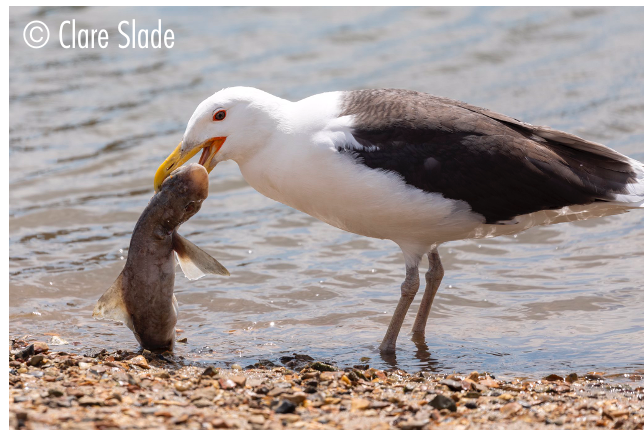
First bred in Poole Harbour in 1957 and has bred most years since. The two favourite breeding spots are on top of Old Harry and the Brownsea lagoon, with varying levels of success. Can be encountered at most places around the harbour with the Holes Bay area attracting good numbers in winter. A 2017 breeding Gull survey showed 28 nests within the Poole Harbour recording area.
Great Bustard
Latin Name
Otis tarda
Status
Vagrant (One Historical & Recent Reintroduction Record)
Site And Records Information
Pulteney, writing in 1813, says: “The Bustard is now becoming very scarce even in Wiltshire ; a few stragglers make their appearance now and then about Woodyates and Ashmore Downs ; single birds have been killed in Langton parish, in Studland. On this basis Great Bustard is included on the Poole Harbour list.
Dorset has seen a recent surge in Great Bustard records since the reintroduction program on Salisbury Plain. Some of these birds migrate away from their reintroduction sites and head south. The only two Poole Harbour records coming from Holme Bridge (N.Hopper, S.Robson) and Lytchett Minster (I.Ballam)
Great Crested Grebe
Latin Name
Podiceps cristatus
Status
Resident
Site And Records Information
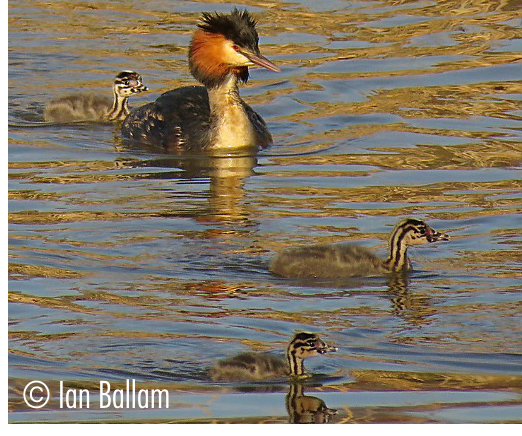
Along with Red-breasted Merganser, Great Crested Grebe is one of the easiest birds to see in the winter out on the open water bodies of Poole Harbour, with central and southern harbour hosting good numbers of 200+. Evening roosts between Furzey Island and Round Island can hold up to 100 birds. Breeding now takes place at Hatch Pond, Little Sea, Studland and Swineham GP.
Resident breeding bird. A few pairs breed in the harbour. Hatch Pond is the most regular, with at least one pair present every year since …..through the 90’s and into this century, Little Sea (1 pair 1 young 1997) and Wareham channel (1 pair 1996).must be more records
Wintering birds usually begin arrive in late summer around the Brands Bay area, presumably British breeding birds, with half of Dorsets wintering Great-crested Grebes occurring around the harbour making it one of the most important wintering areas in Dorset.
During the Big Poole Harbour Bird Count on Feb 19th 2020 a maximum harbour count of 239 were logged across the whole harbour. Outside of the harbour a maximum for Poole Bay is 107 on 6th January 1998.
Over-summering non-breeders gather in the Wareham Channel with a flock of 11 in late May 2020 and 5 in Holes Bay during the same period.
Great Grey Shrike
Latin Name
Lanius excubitor
Status
Scarce Winter Visitor
Site And Records Information
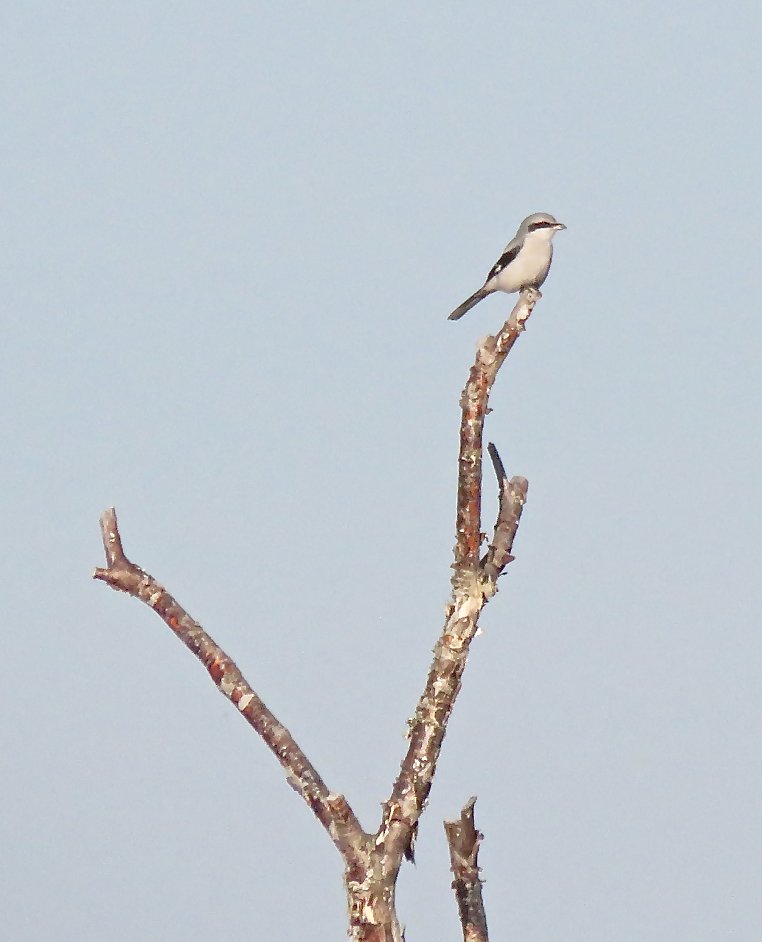
Any of the heathland sites surrounding the harbour could host an over wintering Great Grey Shrike. Records over the last 35 years emanate from Studland, Arne, Hartland Moor, Canford Heath, Upton Heath and Holton Lee/ Holton Heath NNR. During the winter of 2016/17 three different birds were present in the harbour (Wytch Heath, Hartland Moor, Arne) and in spring 2017 an individual stayed until May 12th which is the latest date for Great Grey Shrike in Poole Harbour.
Recent Records
2016
Morden Bog 1 between 6th Jan and 25th Mar ranging to Oak Hill.
Upton Heath DWT 1 on 11th Jan.
Canford Heath 1 on several dates between 3rd Nov and 29th Dec.
Godlingston Heath 1 on 29th Dec.
Hartland Moor 1 on several dates between 25th Oct and 29th Dec.
Morden Bog 1 on several dates between 18th Oct and 18th Dec.
2017
Arne RSPB 1 on several dates between 3rd Jan and 9th Apr.
Canford Heath 1 on 1st Jan.
Hartland Moor 1 on several dates between 7th Jan and 3rd May.
Wareham Forest 1 on several dates in the Oak Hill, Morden Bog and Sugar Hill areas between 21st Jan and 10th Apr.
Wytch Causeway 1 on 11th & 12th Mar. Wytch Heath 1 at Scotland Farm on 10th May. Great Ovens Hill 1 on 28th Dec.
Hartland Moor 1 on 29th Oct.
Morden Bog 1 on 22nd, 26th & 28th Nov.
2018
Morden Bog 1 on several dates between 11th Jan and 15th Apr and on several dates between 2nd Nov and 28th Dec ranging as far as Sugar Hill.
2019
Wareham Forest The wintering individual remained from 2018 until 27th Mar, the majority of reports being from the Sugar Hill area. Presumably the same bird returned from 7th Nov until the year end, around Sugar Hill initially and later at Morden Bog.
2020
Wareham Forest The wintering bird from 2019 was reported, usually around Morden Bog, until 28th Mar
2023
Lytchett Fields RSPB – 1cy trapped and ringed on 3rd Nov, was a first for the site.
Wareham Forest – 1cy on 11th-15th Nov at Morden Bog.
Great Northern Diver
Latin Name
Gavia immer
Status
Passage Migrant & Winter Visitor
Site And Records Information
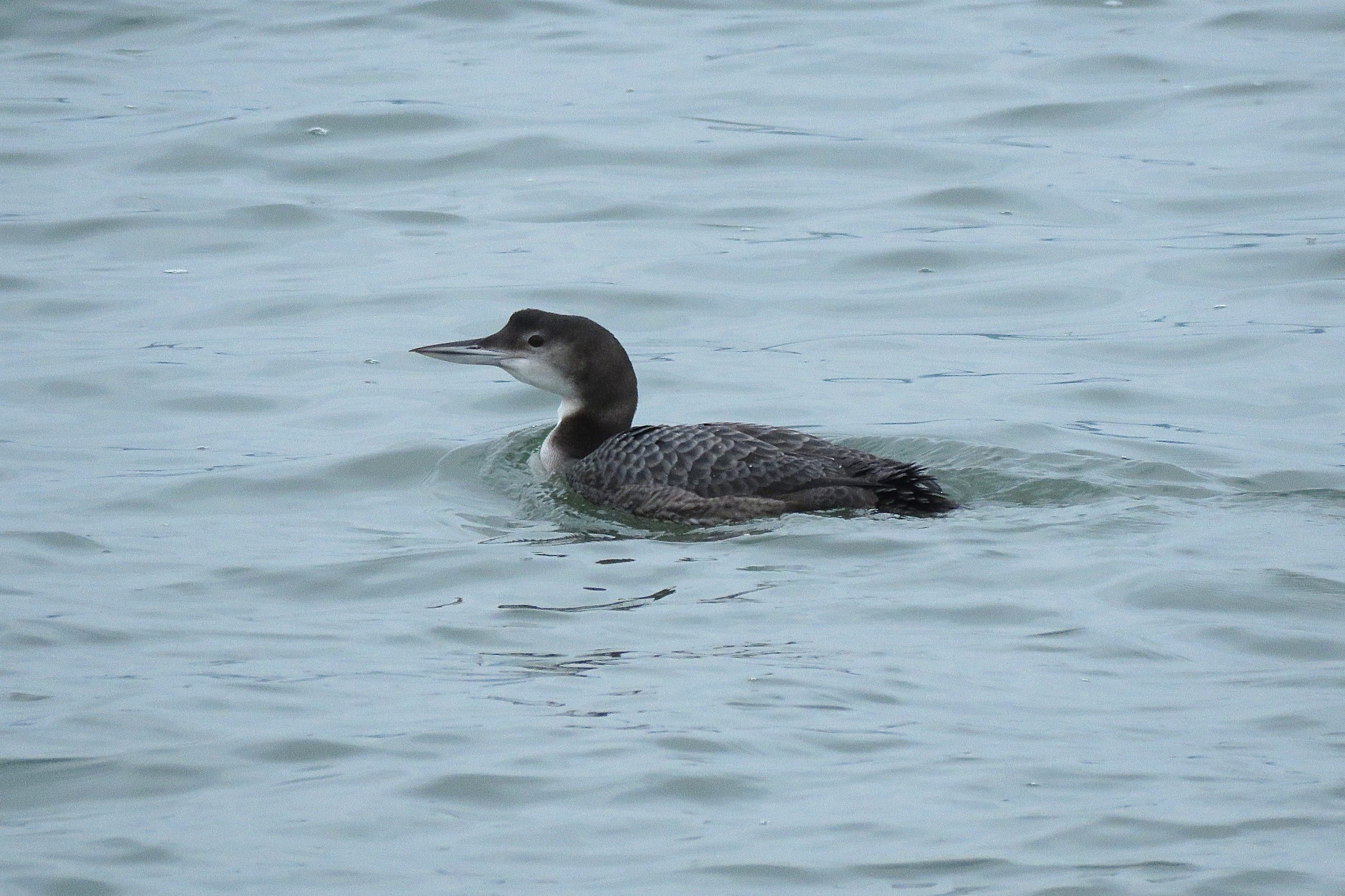
The most common of the three diver species during the winter which can be found inside and outside of the harbour. Outside they can be seen in Poole Bay from Branksome round to Old Harry, whilst inside the harbour they prefer the deep channels around Brownsea, Brands Bay and the harbour mouth. Can be encountered off the beaches at Shipstal, Hamworthy, Baiter and Shore Road on cold, still winter mornings and have even turned up on Poole Park boating lake in recent years.
Numbers tend to be highest after sustained long periods of bad weather when birds enter the harbour for shelter. The wet and windy winters of 2013/14 and 2019/20 saw harbour records broken each time with a high count of 16 around the harbour on February 12th 2017 and 19 logged during the Big Poole Harbour Bird Count on Feb 19th 2020.
Passage occurs out in Poole Bay in autumn and spring and some full summer plumaged birds have even been logged sat out on the water in Poole Bay during May and early June.
2023 was a great year from Great Northern Diver with up to 10 to 5th Apr, then present from 3rd Nov with peaks of 24 on 25th Nov and 25 on 15th Dec, exceeding the previous county record of 22 in Portland Harbour and Weymouth Bay on 28th Jan 1998.
Great Reed Warbler
Latin Name
Acrocephalus arundinaceus
Status
Vagrant
Site And Records Information
Further potential spring records aren’t impossible and listening during April in May at Swineham or Lytchett Bay for their distinctive song is the best chance of trying to find the next Poole Harbour record, although to date there is only one record for the harbour.
1 from 6th – 22nd June 1969 at Little Sea (J.R.Cox, P.G.Hawkins et al)
Great Shearwater
Latin Name
Puffinus gravis
Status
Vagrant
Site And Records Information
One on 7th June 1877 ‘at Poole Harbour’ (per GPG2004). This record may seem extraordinary both in terms of location and the early date. However 1877 is famous in meteorological terms for the Atlantic hurricane season. This was the most active ever and it started in Bermuda in mid-May.
The spectacular passage of hundreds of Great Shearwaters on 13th Oct 2023 was made even more astonishing by the fact that just 19 individuals had been previously recorded in the county between 1868 and 2022. Although almost all records were from the west of the county, one was managed to be observed off Ballard Down that afternoon.
Ballard Down – 1 on 13th Oct 2023 (Nick Hopper).
Great Skua
Latin Name
Stercorarius skua
Status
Passage Migrant
Site And Records Information
Watching the outer harbour bays in strong on-shore winds during spring or autumn could eventually produce a Great Skua. This used to be the commonest of the family in its occurrence in the area, but has now been succeeded by Arctic Skua. Very rarely recorded in the harbour itself although one did spend two days on the Brownsea Lagoon in autumn 2017. The harbour maximum involving between 16 and 23 individuals through Studland Bay on 18th Oct was as a result of the famous 1987 hurricane. Up to five birds were seen resting on the water.
Recent Records
1 in the Wareham Channel on 29th Sep 2024 during a storm.
Great Snipe
Latin Name
Gallinago media
Status
Vagrant
Site And Records Information
An undated record of 1 shot at Worgret Farm in the 19th century (H.Garland per MP). The exact location of the farm at the date of the record unknown though it seems that it was within the recording area boundary.
The second record is more convincing in terms of its certainty with regard to the recording area. 1 shot on 10th Oct 1896 at Wareham Water Meadows
Great Spotted Woodpecker
Latin Name
Dendrocopos major
Status
Resident
Site And Records Information
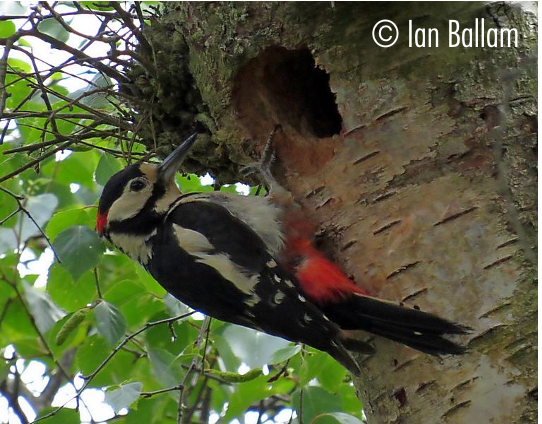
Any wooded area will hold Great Spotted Woodpecker, even in the urban north of the harbour. Arne tends to have 4-5 Breeding pairs each year with Lytchett Bay, Upton Country Park, Studland, Ridge, Holton Lee, Swineham and many other areas recording breeding birds. Their is a small passage of local birds in the autumn that can be witnessed flying across the harbour mouth in ones and twos early in the morning during October.
Great Tit
Latin Name
Parus major
Status
Resident
Site And Records Information
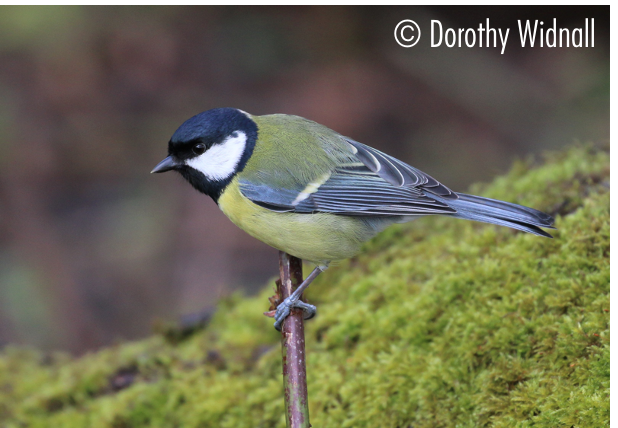
Found in gardens, parks, woodland, urban and rural areas across the harbour. For the best views, go to the Arne car park and watch them feeding on the live feeder webcam in the visitors centre. Also at the Holton Lee feeding station Greeat Tit are numerous. A small autumn passage occurs in September and October with some birds logged passing over Ballard and across the harbour mouth. There is a chance these could be continental Great Tit.
Call 01202 641 003
© 2026 Birds of Poole Harbour Registered Charity No. 1152615